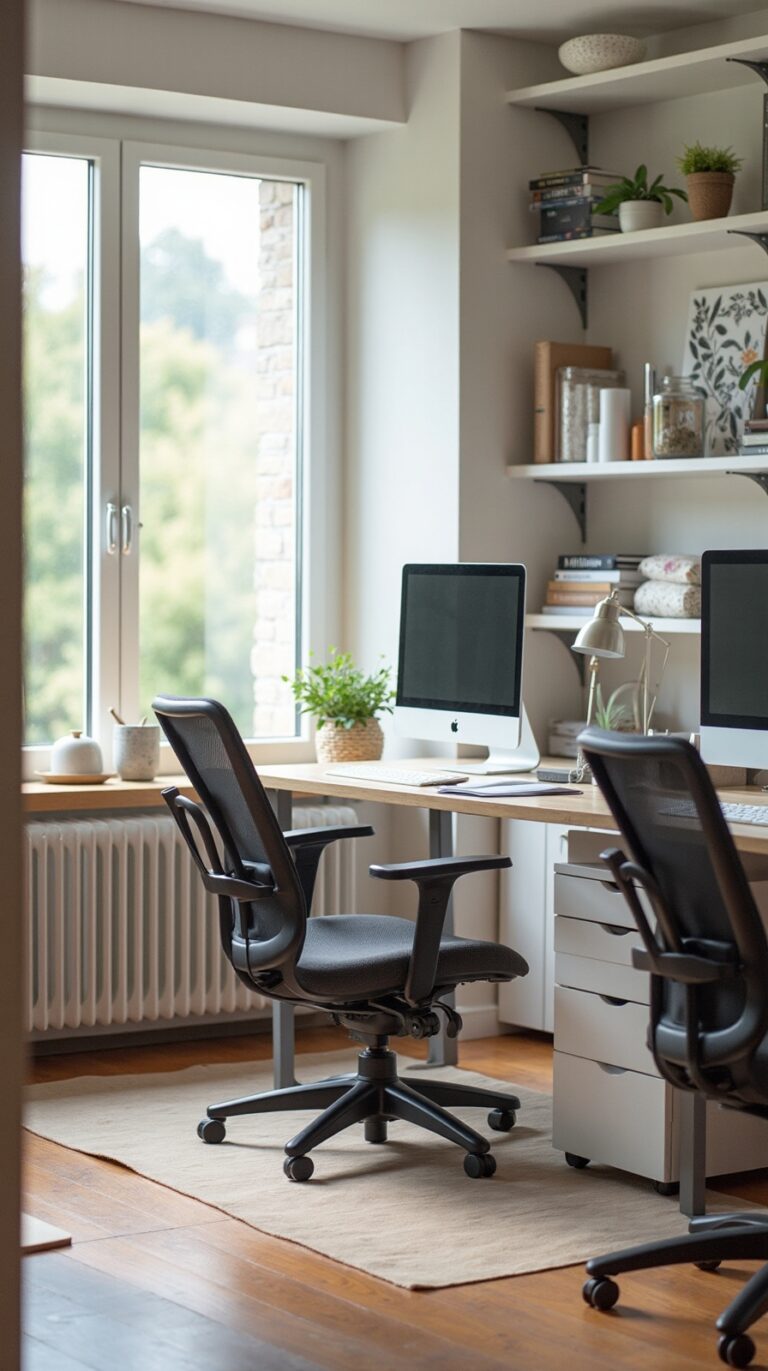
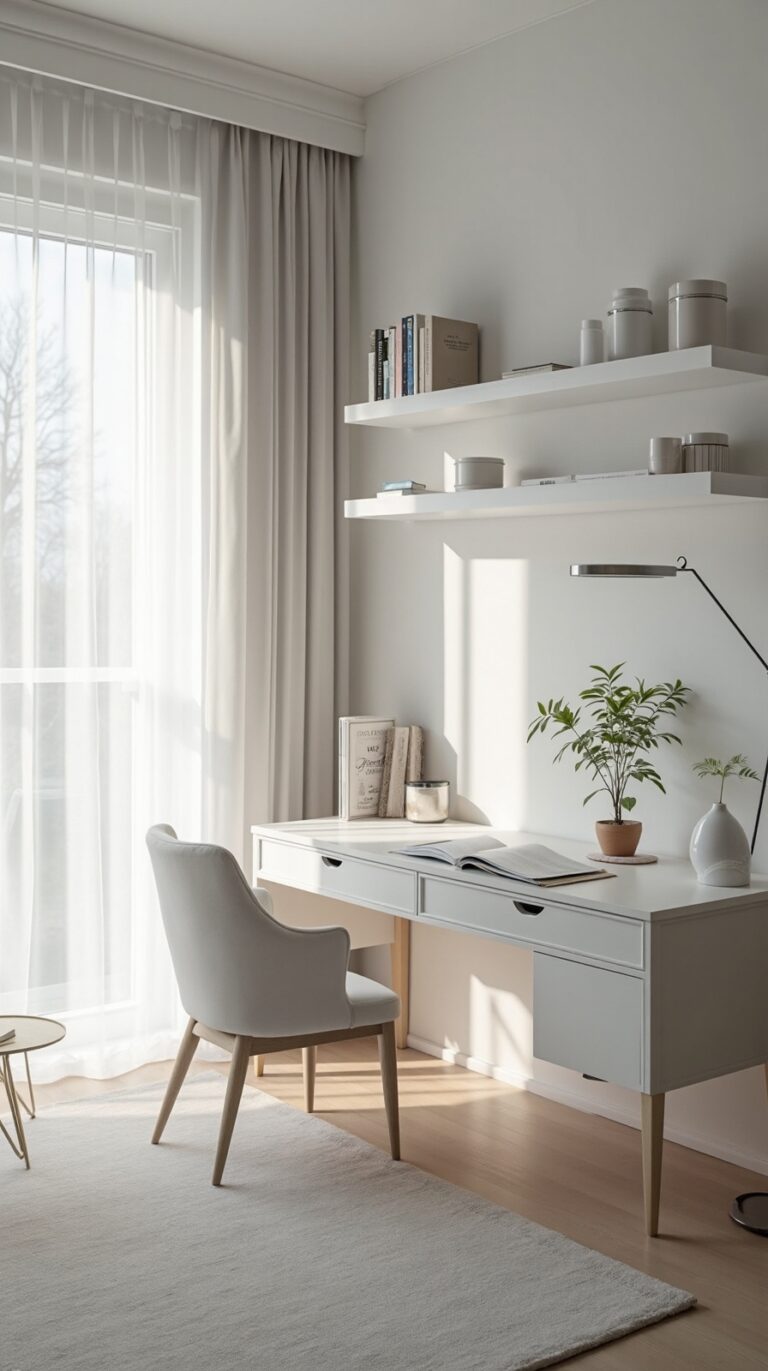
18 Dual Home Office Ideas That Balance Function and Flow
Wondering how to create two productive workspaces in one room without chaos taking over your home office design?
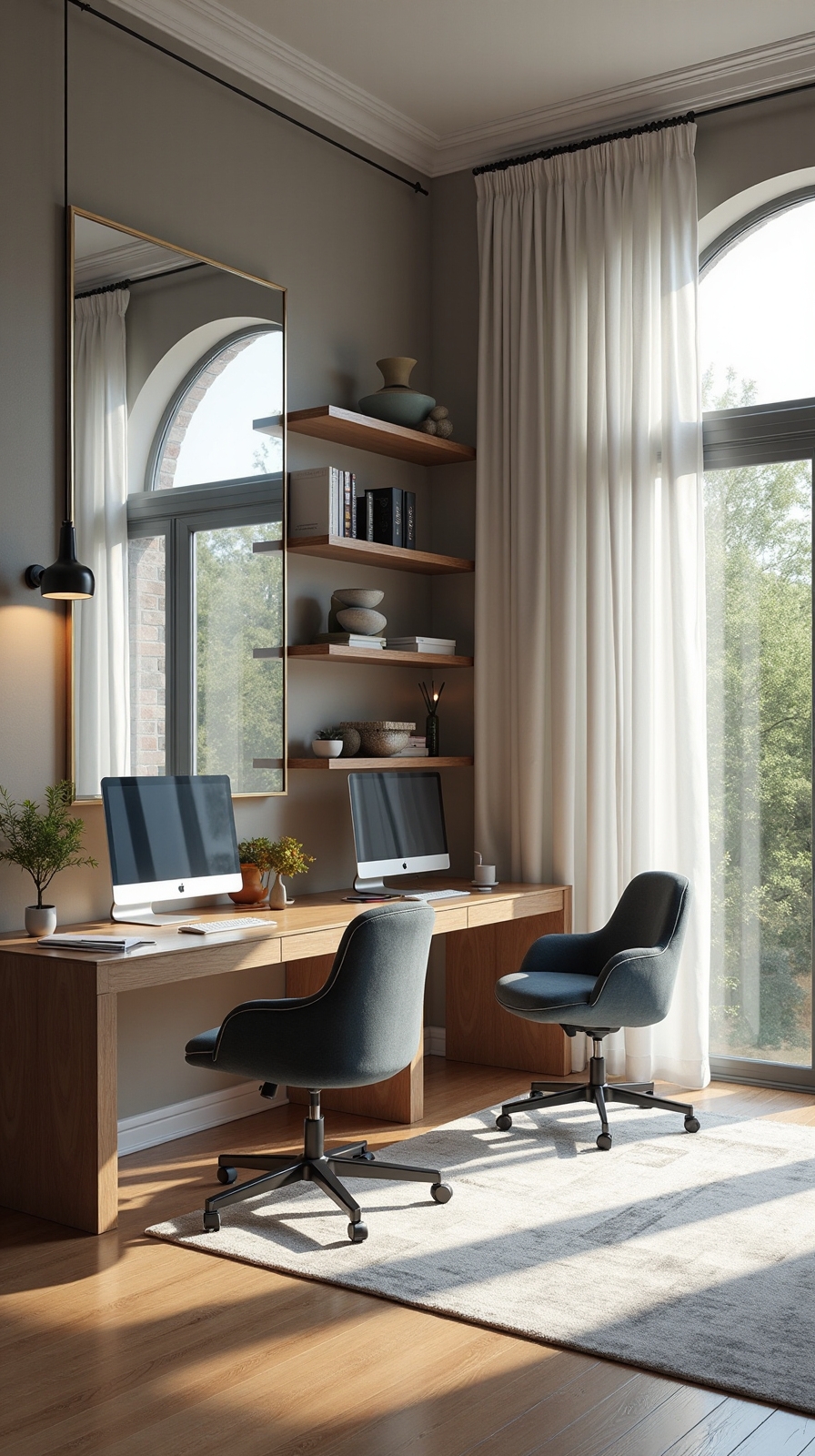
You’re facing the challenge of creating two functional workspaces in one room without sacrificing style or efficiency. Whether you’re sharing an office with your partner, roommate, or need separate zones for different work styles, the right dual setup can alter, modify, or rearrange cramped quarters into a productivity powerhouse. Smart configurations and strategic furniture placement will help you maximize every square foot while maintaining the professional atmosphere both of you need.
Back-to-Back Desk Configuration for Maximum Space Efficiency
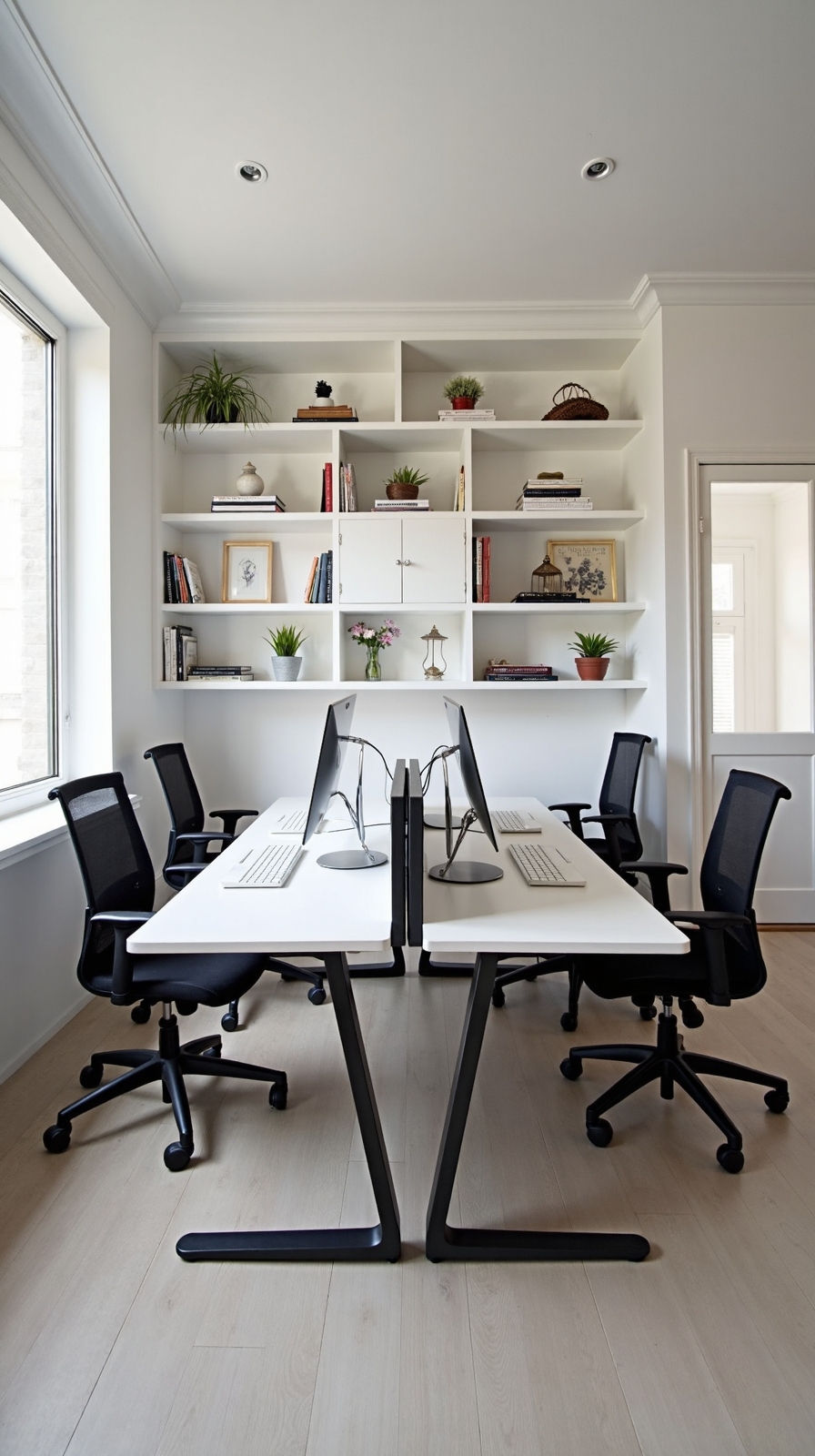
When you’re working with limited square footage, a back-to-back desk configuration maximizes your available space while creating two distinct workstations. This setup positions two desks facing opposite directions, allowing both users to work independently without constant visual distractions.
You’ll find this arrangement particularly effective in narrow rooms or converted bedrooms where traditional side-by-side layouts won’t fit. The back-to-back desk configuration creates natural boundaries while maintaining easy communication when needed.
Consider installing a shared corkboard or whiteboard between the workstations to facilitate collaboration and task coordination. Mount floating shelves above each desk to provide personal storage without compromising the open feel.
Choose desks with built-in cable management to keep power cords organized. This configuration works exceptionally well with identical desk heights and complementary chair styles that can tuck completely under each surface.
L-Shaped Corner Setup That Gives Each Person Their Own Zone
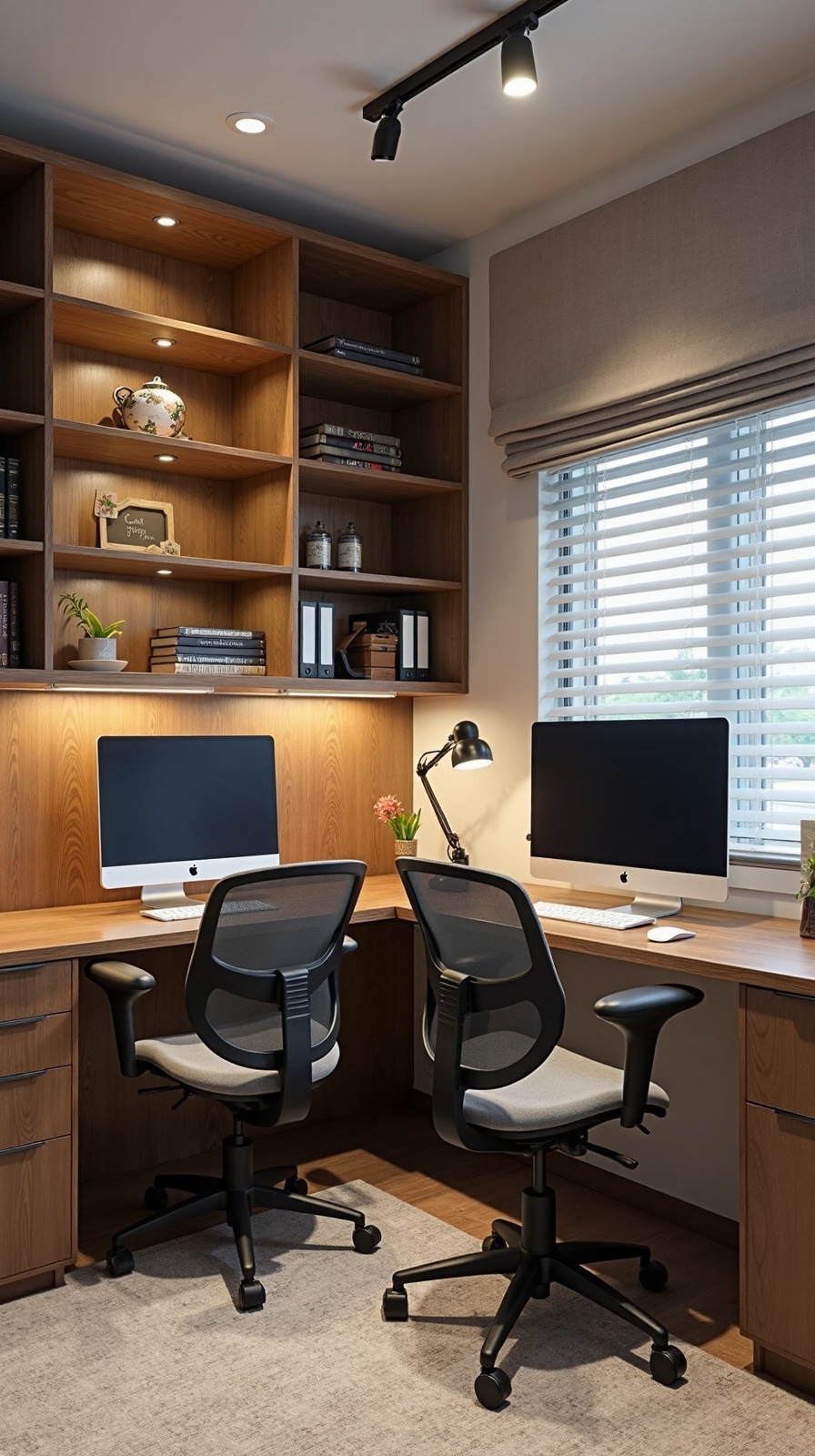
An L-shaped corner desk arrangement offers each person a dedicated workspace while maximizing corner real estate that often goes unused in shared offices. You’ll create two distinct zones that feel private yet connected, giving both users the freedom to work independently without interruption.
Position one desk along each wall to form the L-configuration, ensuring adequate legroom and chair movement. This setup naturally divides the space while maintaining visual openness throughout your shared office.
Transform these cozy corners into personalized productivity hubs by adding individual task lighting and storage solutions. Install ample shelving above each workstation to keep supplies organized and surfaces clutter-free. You can customize each zone with personal touches like plants or artwork, creating spaces that reflect individual working styles while maintaining overall design harmony.
Floating Wall Desks That Create Clean Lines and Open Floor Space
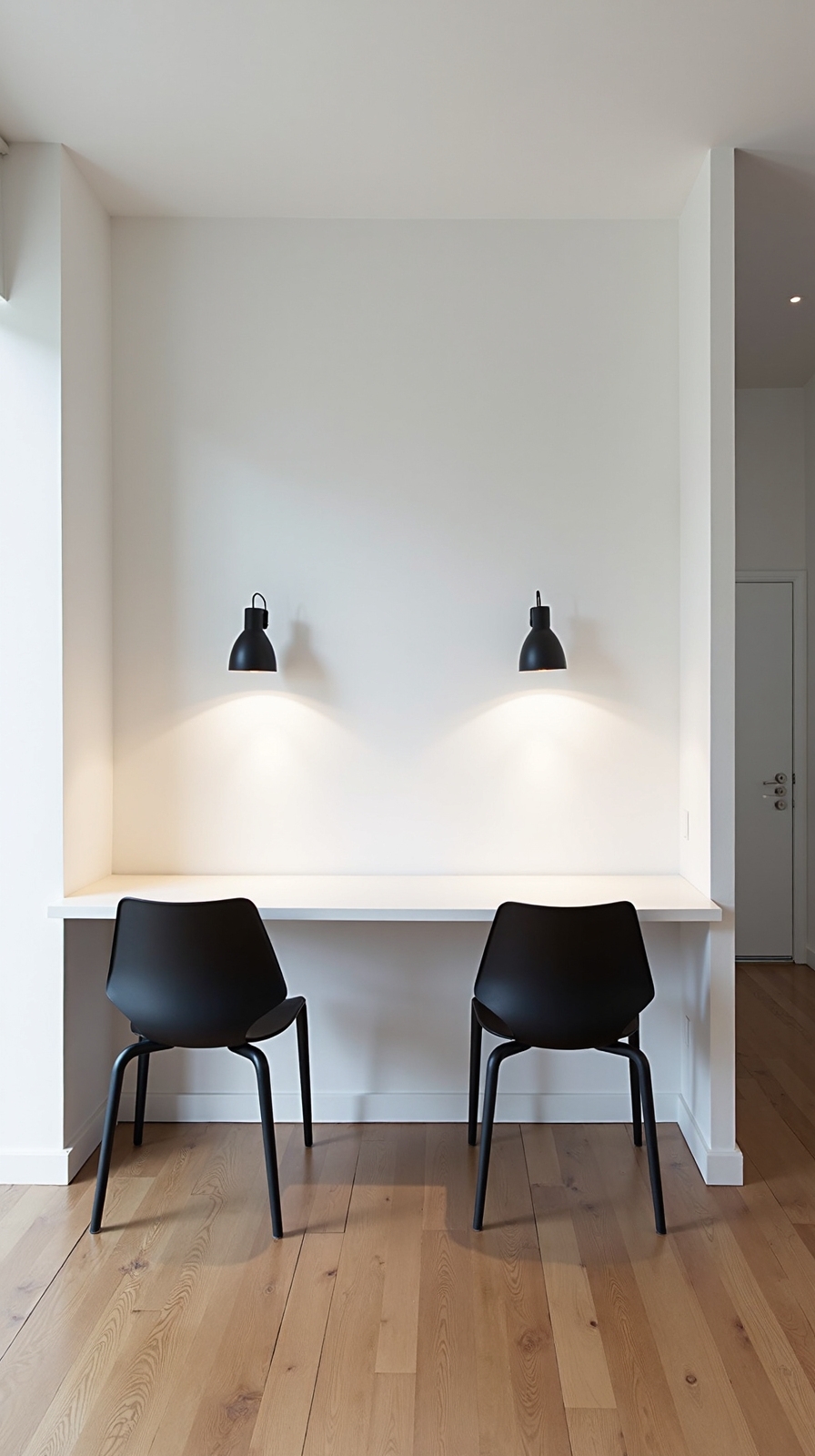
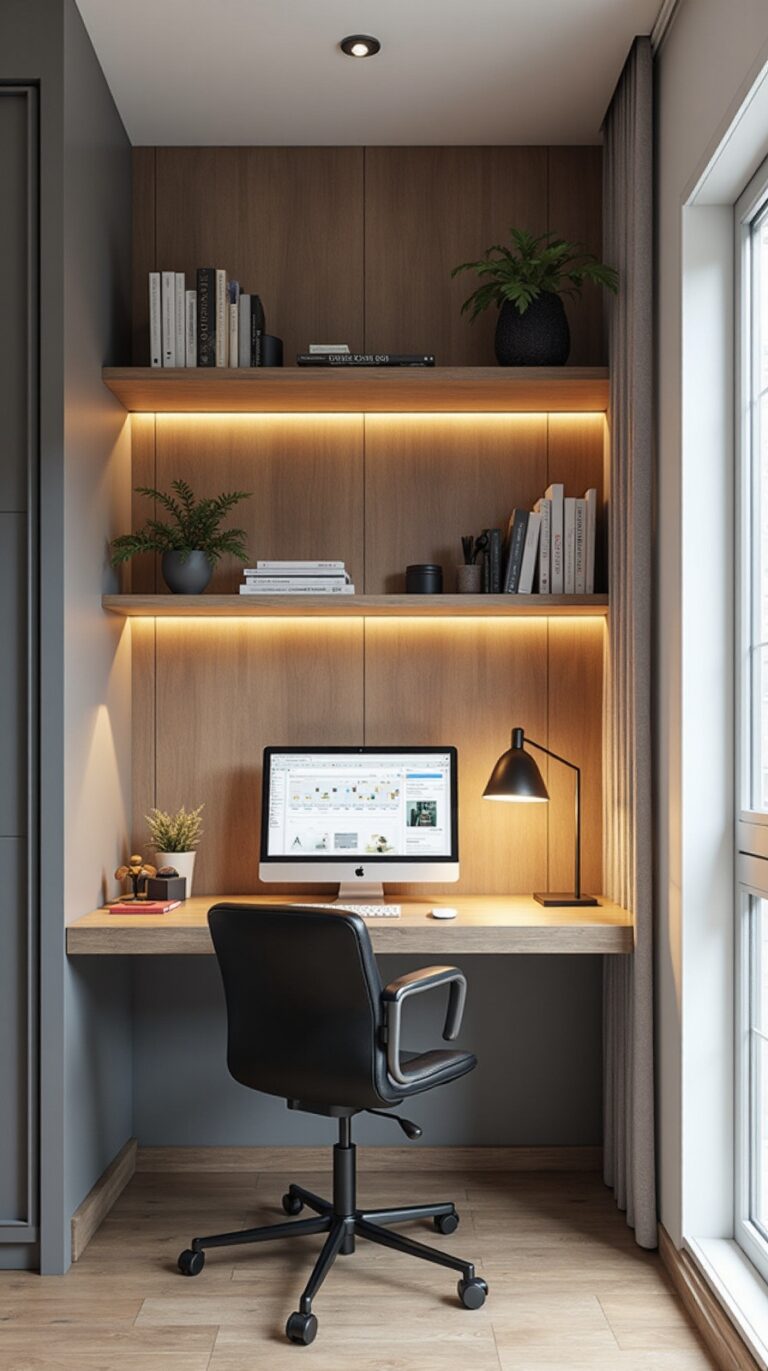
Floating wall desks maximize your dual home office’s floor space while creating sleek, modern workstations that won’t overwhelm the room. You’ll enjoy the freedom of movement underneath these space-saving solutions, making cleaning and rearranging effortless.
Install two floating desks at different heights or positions along the same wall to create distinct work zones. You can customize the depth and width to fit your specific needs, choosing from 24-inch depths for compact setups or 30-inch depths for larger monitors and equipment.
Pair your floating desks with custom wall mounts for monitors and floating shelving units above for storage. This combination keeps your workspace clutter-free while maintaining clean sight lines throughout the room. The wall-mounted approach also allows you to run cables discreetly behind the desk surface.
Room Divider Solutions That Maintain Visual Connection
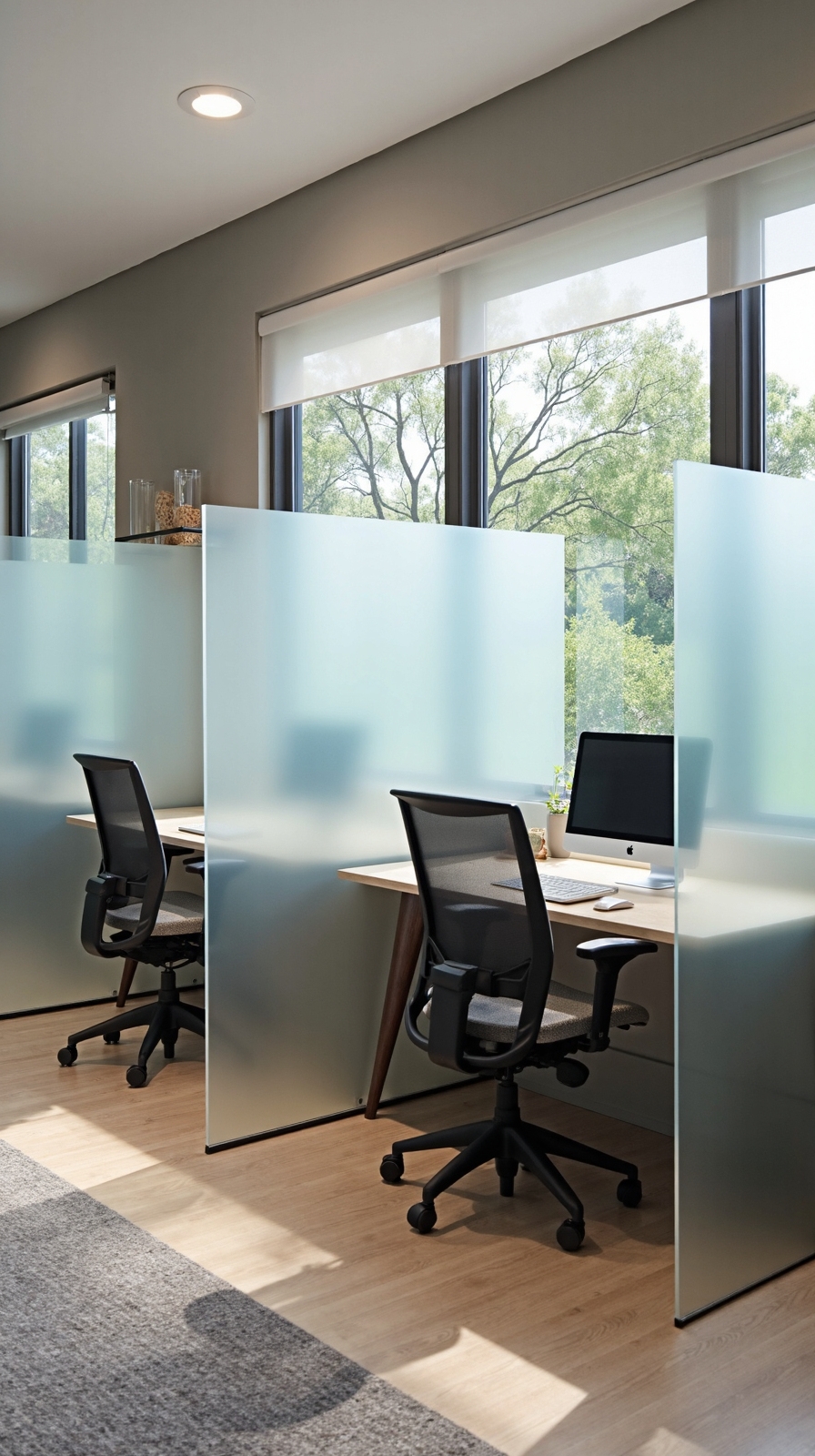
Creating visual separation without blocking natural light requires strategic room divider solutions that define individual workspaces while preserving the room’s open, airy feel.
Foldable partitions offer maximum flexibility for your dual office setup. You can adjust them throughout the day based on your privacy needs and work schedules. Choose translucent materials or open geometric patterns that maintain visual connection while creating defined zones.
Sliding glass dividers provide a refined solution that doesn’t compromise the room’s spaciousness. These panels glide smoothly along ceiling-mounted tracks, allowing you to open or close sections as needed. Frosted or etched glass options add privacy during video calls while still allowing light to flow freely.
Both solutions let you customize your workspace boundaries without permanent construction, giving you the freedom to adapt your office layout whenever your needs change.
Symmetrical Mirrored Layout for Perfect Balance
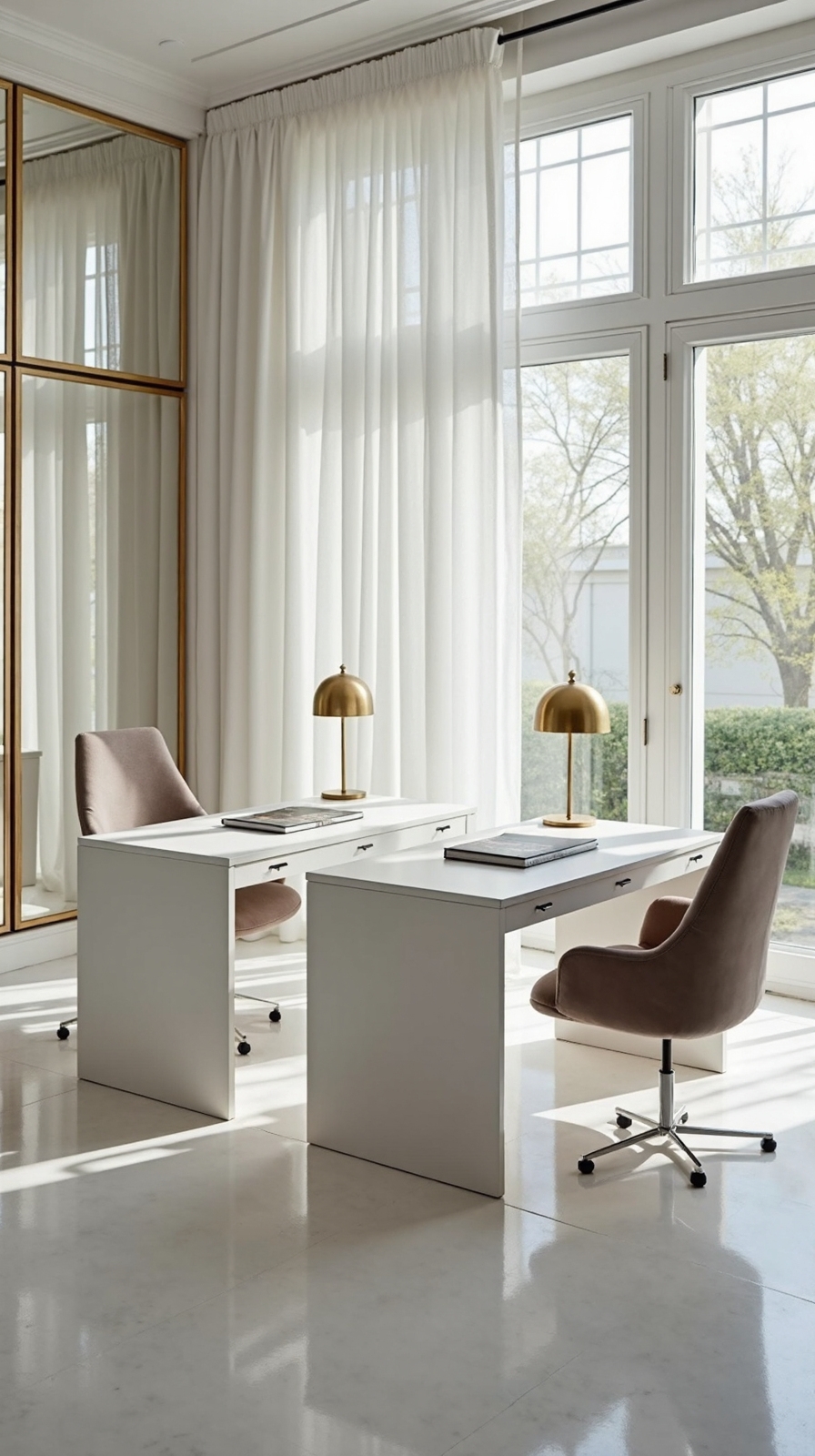
When you position identical workstations on opposite sides of your dual office, you’ll create a harmonious balance that feels both organized and visually pleasing. This mirrored approach gives each person equal space and resources while maintaining the room’s natural flow.
Start by placing matching desks at identical distances from walls and windows. Add balanced built in shelves that mirror each other’s height and depth, creating visual symmetry throughout the space. Include integrated personal cubbies at the same level on both sides for storing individual items without disrupting the overall design.
Choose identical lighting fixtures, chair styles, and storage solutions to reinforce the balanced aesthetic. This symmetrical layout eliminates territorial disputes while giving you both the freedom to work independently in your perfectly coordinated environment.
Window-Facing Workstations That Share Natural Light
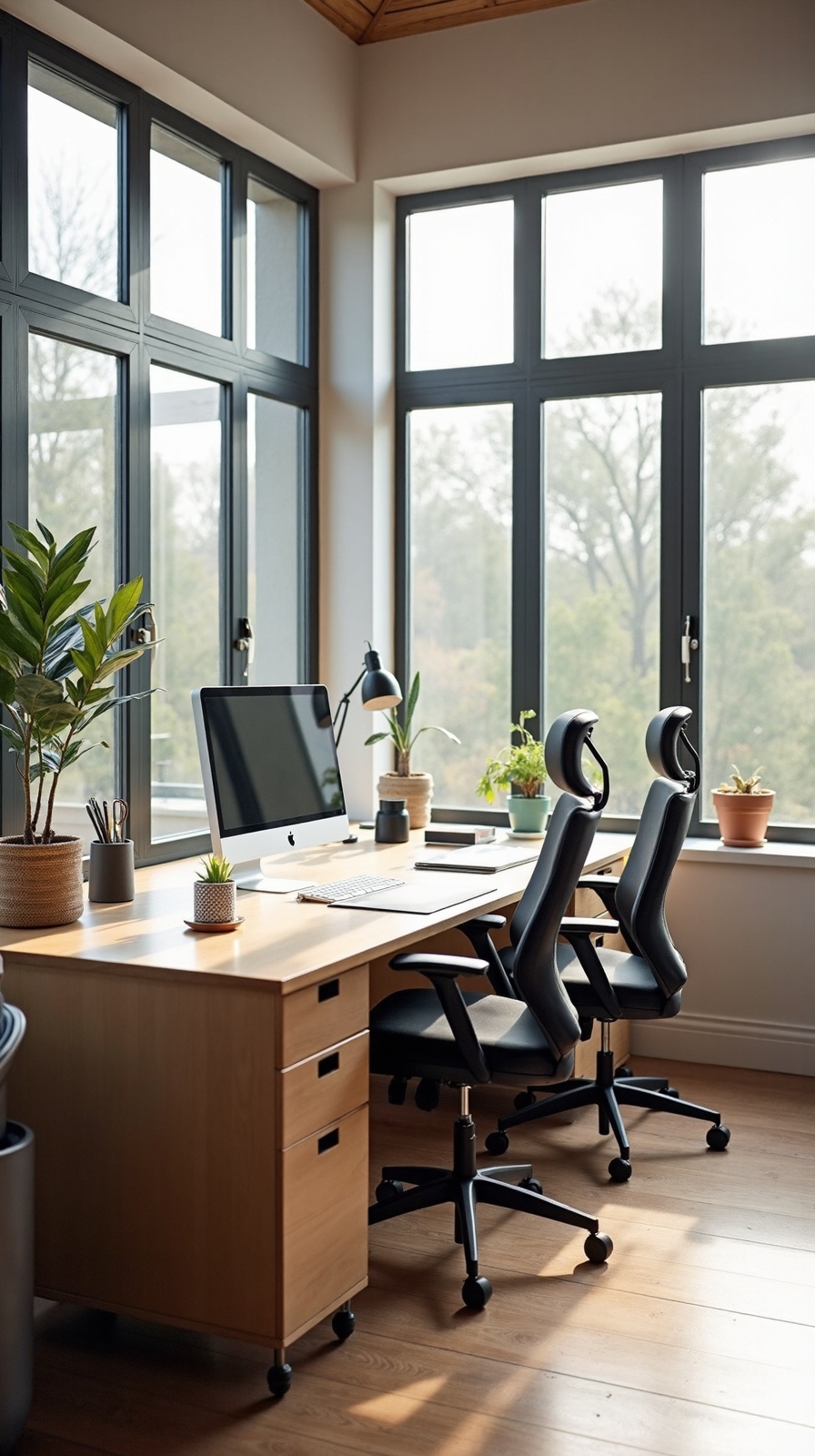
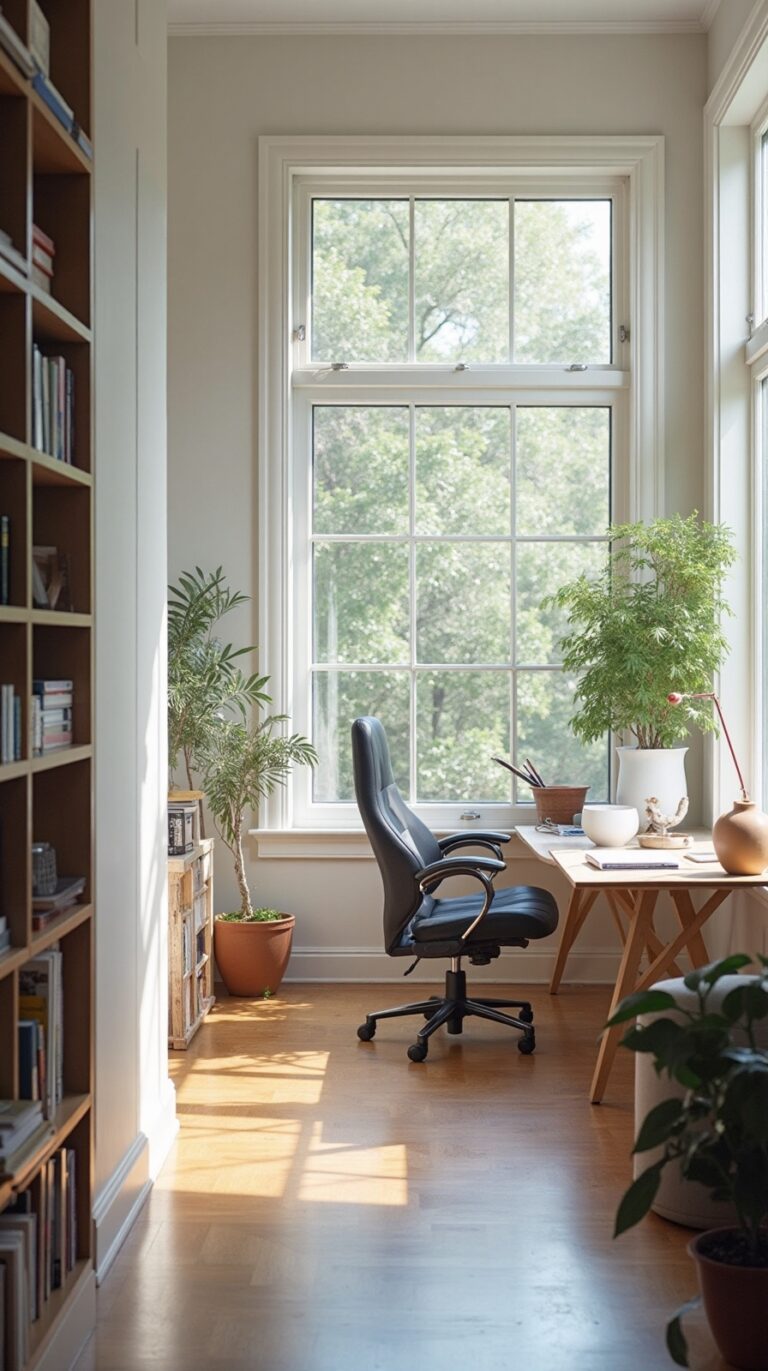
Natural light becomes your shared productivity powerhouse by strategically positioning both workstations to maximize window exposure throughout the day. Place desks perpendicular to large windows, creating an L-shaped configuration that prevents screen glare while capturing ideal illumination for both users.
Consider installing a window seat workspace along one wall, providing additional storage underneath while creating a casual meeting spot for collaborative projects. This flexible seating arrangement breaks up the traditional desk setup and offers freedom to work from different positions.
Balance natural light with diffused overhead lighting to eliminate harsh shadows during evening hours. Install adjustable blinds or light-filtering curtains to control brightness levels throughout changing seasons. Position monitors at slight angles away from direct sunlight to reduce eye strain while maintaining the energizing benefits of working near windows.
Built-In Desk Systems With Integrated Storage
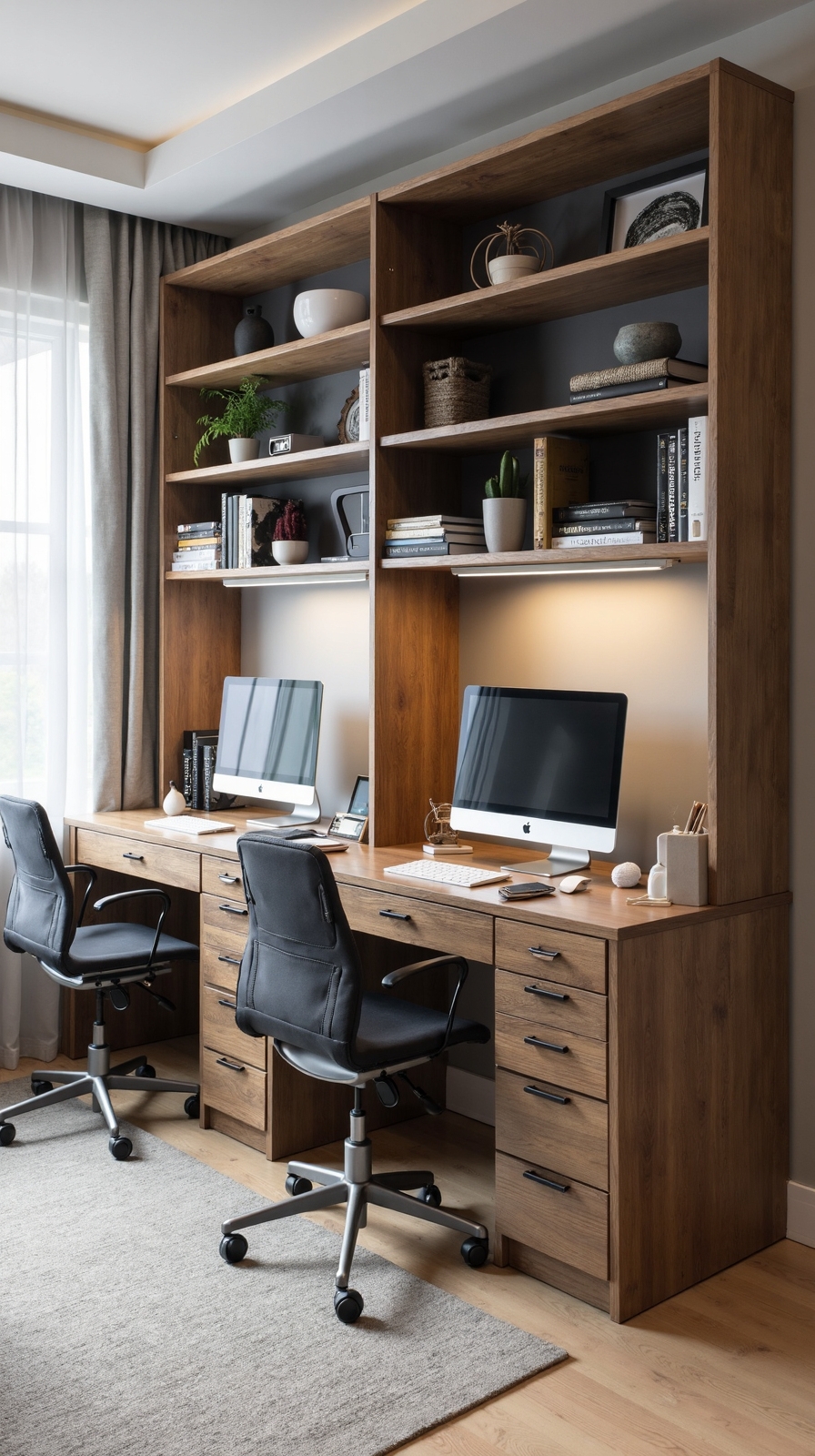
Built-in desk systems convert cramped dual offices into organized powerhouses by combining workspace functionality with intelligent storage solutions that eliminate clutter permanently. You’ll maximize every square inch while creating distinct work zones that don’t compete for space.
Install built in shelving units above each workstation to house books, supplies, and personal items within arm’s reach. These vertical storage solutions keep surfaces clear while maintaining visual boundaries between partners.
Design modular desktop components that adapt to changing needs—removable keyboard trays, adjustable monitor stands, and sliding drawer organizers offer flexibility without sacrificing structure.
Consider incorporating closed cabinets beneath desk surfaces to hide unsightly cables and store sensitive documents. You’ll appreciate how custom-fitted systems eliminate gaps where dust accumulates, creating cleaner lines that make your shared space feel larger and more professional.
Mobile Furniture Arrangements for Ultimate Flexibility
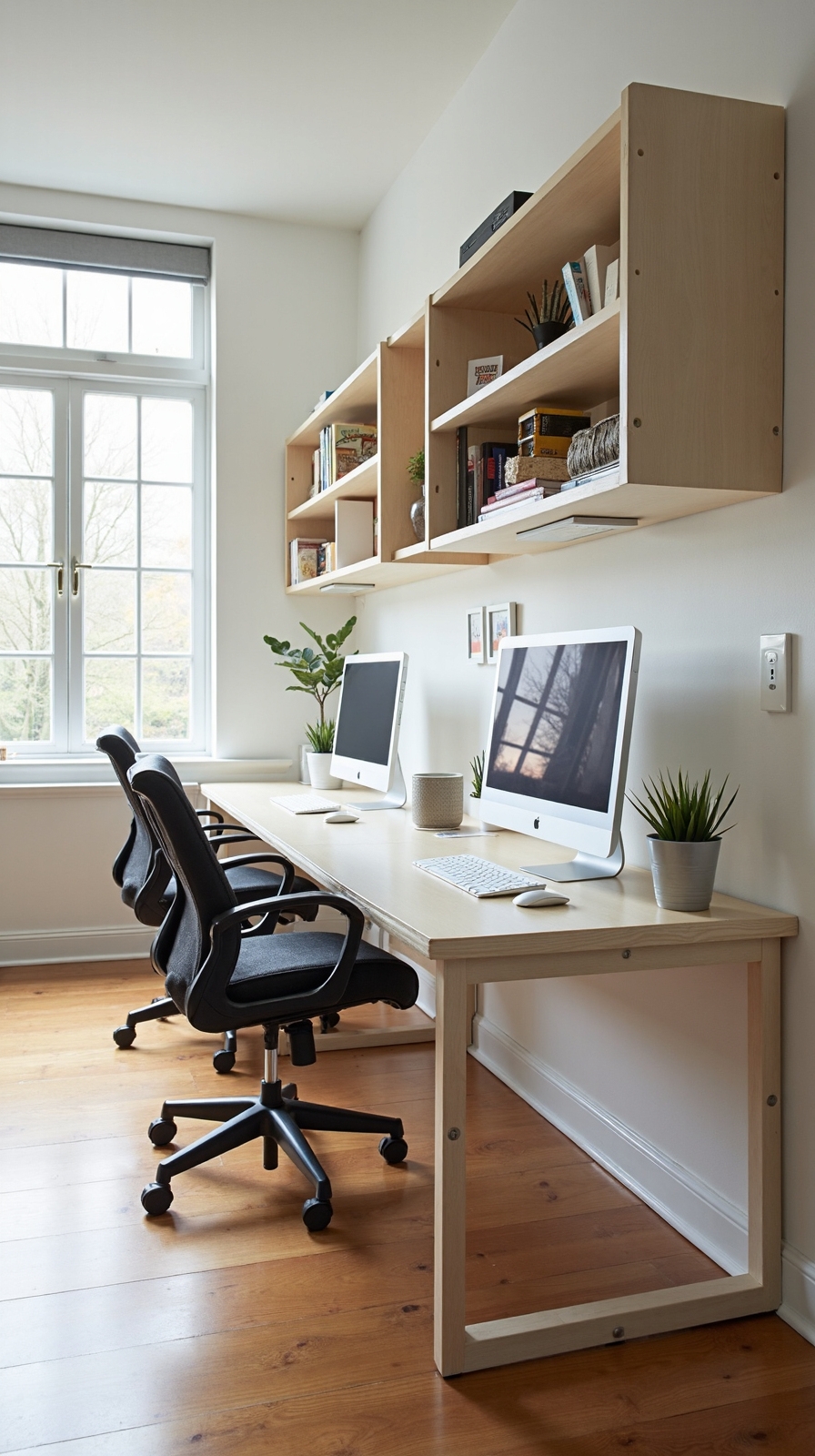
Mobile furniture modifies your dual home office into a changeable workspace that adapts to your daily workflow changes and seasonal project demands. You’ll gain unparalleled freedom by investing in portable workstations that roll effortlessly between different room configurations and collaborative positions.
Choose modular desk systems with locking wheels that revolutionize your space within minutes. These versatile units let you create separate work zones during focused tasks, then merge into collaborative arrangements for team meetings or brainstorming sessions.
Rolling storage carts serve dual purposes as filing systems and room dividers. Position them strategically to define individual territories or push them aside for open-concept collaboration. Adjustable-height tables on casters accommodate both sitting and standing preferences while maintaining complete mobility throughout your shared workspace.
Vertical Storage Solutions That Keep Surfaces Clutter-Free
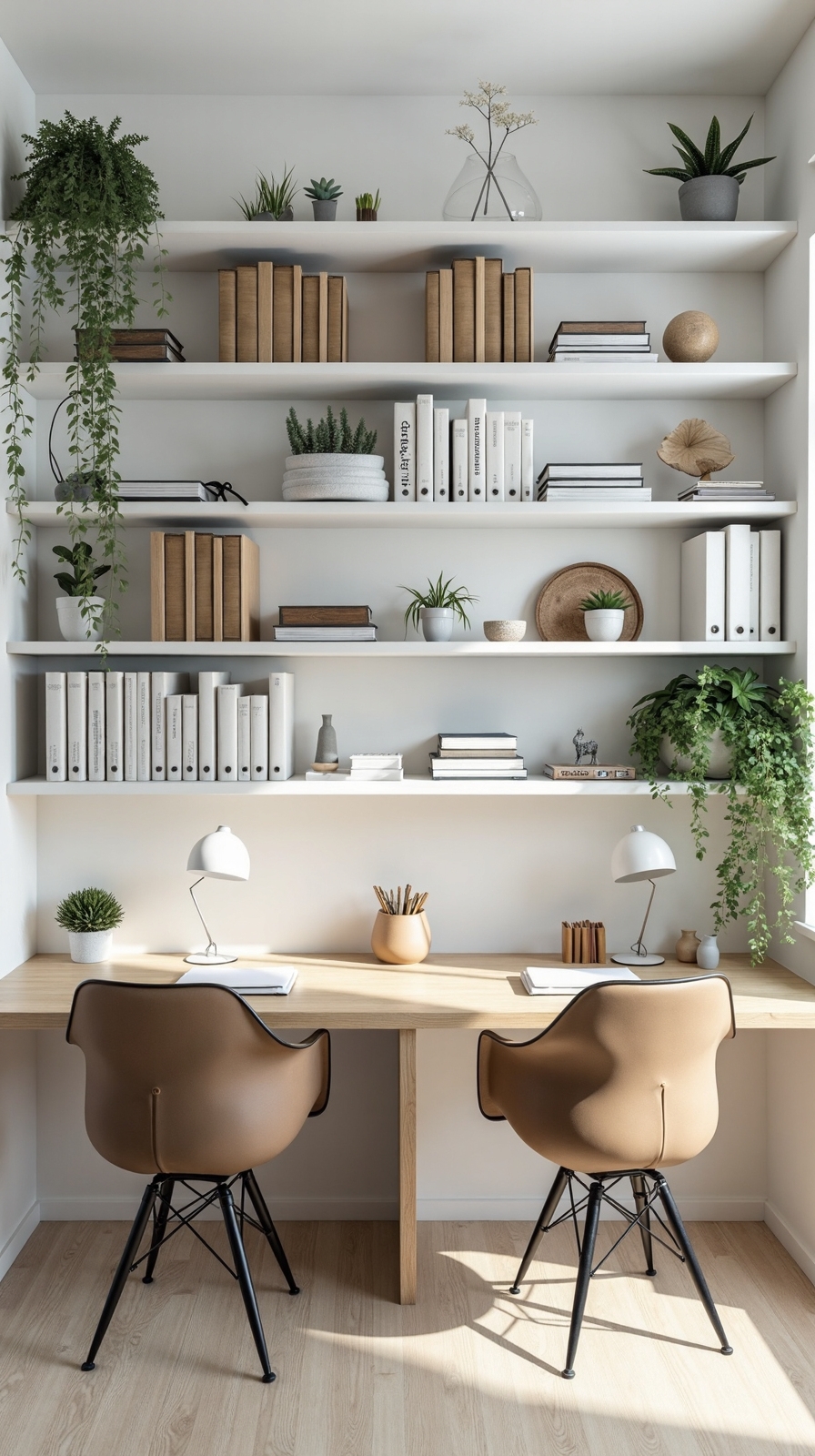
Wall-mounted shelving systems maximize your dual office’s storage capacity while preserving precious desk real estate for productive work activities. You’ll free yourself from cluttered surfaces by installing floating shelves above each workstation for books, binders, and daily essentials.
Overhead storage solutions create vertical organization zones that keep your shared workspace functioning smoothly. Install adjustable shelving brackets that accommodate changing storage needs as your business evolves. Position frequently used items at eye level, while storing seasonal materials higher up.
Consider wall-mounted filing systems and magnetic boards that eliminate bulky floor cabinets. You can mount individual cubbies for personal belongings, ensuring each person maintains their own organized space. Choose matching hardware and finishes to create visual cohesion throughout your dual office setup.
Acoustic Panels and Sound Management for Focused Work
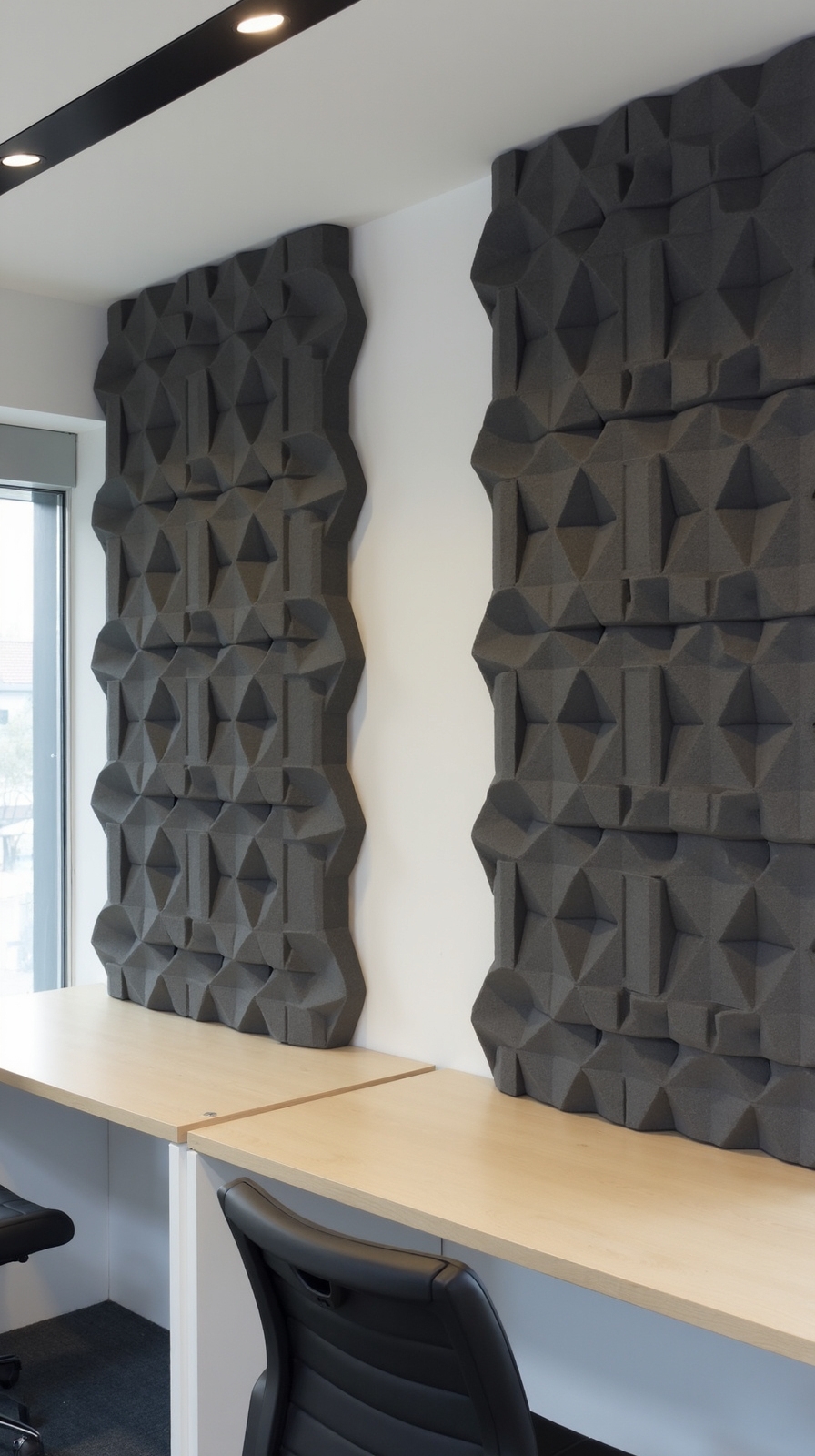
When two people share a workspace, managing sound becomes crucial for maintaining concentration and productivity throughout your workday. Strategic acoustic treatment placement can transform your dual office into a focused environment where both individuals thrive without distraction.
Install sound absorbing materials like foam panels or fabric-wrapped boards on walls between workstations. Position these materials at ear level where sound waves naturally bounce, creating an effective barrier against keyboard clicks, phone calls, and general office chatter.
Consider portable acoustic dividers that you can adjust based on daily needs. These flexible solutions let you create temporary quiet zones during important calls or deep work sessions. Adding thick rugs, curtains, and upholstered furniture also helps absorb ambient noise while maintaining your office’s aesthetic appeal and professional atmosphere.
Separate Color Zones That Define Individual Spaces
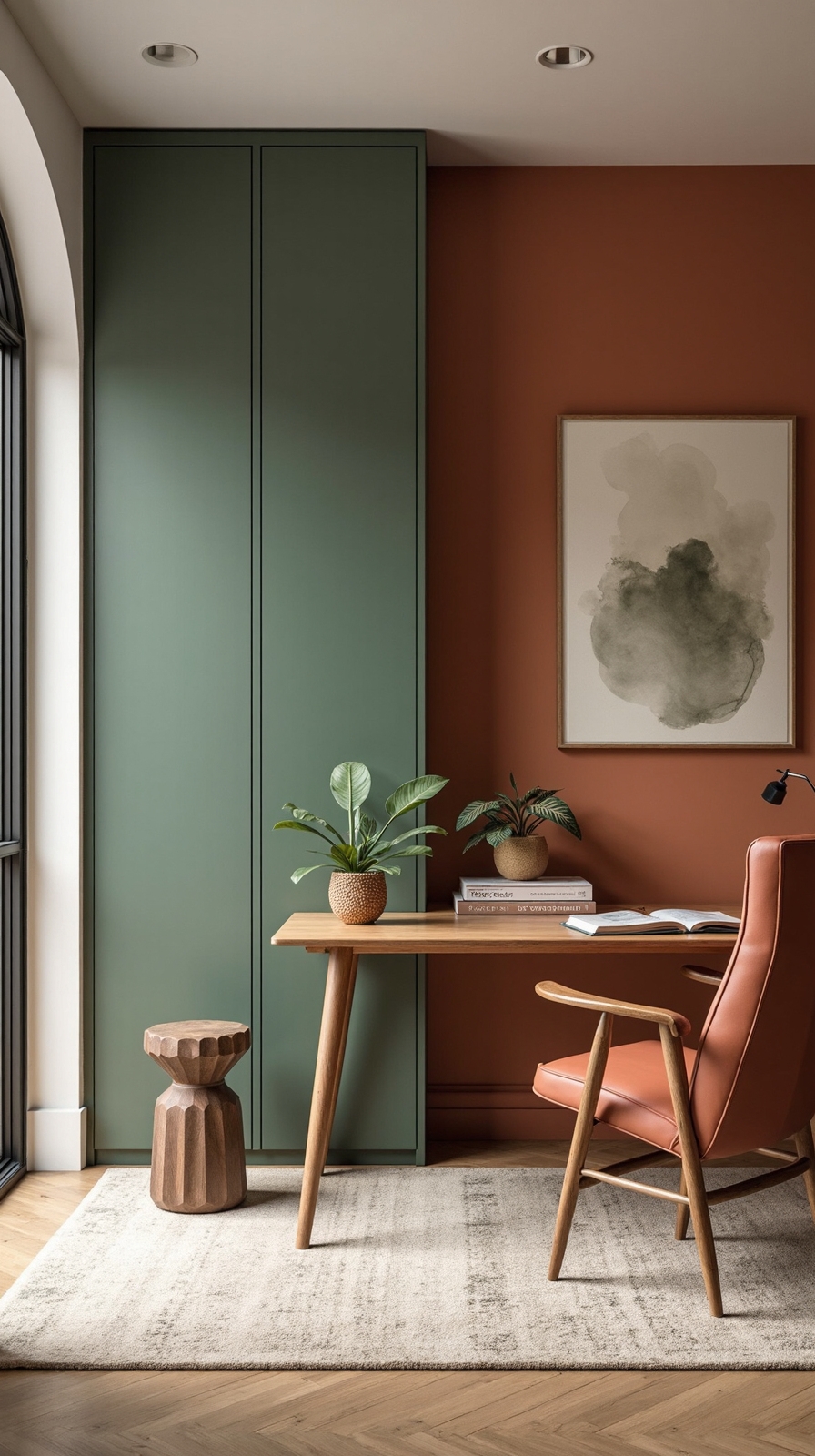
Strategic color zones create distinct visual boundaries that help establish individual territories within your shared workspace environment. You can assign each person a dominant color palette that reflects their personality while maintaining workspace harmony. Choose complementary color themes like navy blue paired with warm coral, or forest green combined with soft gold accents.
Paint accent walls, select desk accessories, or add colorful storage solutions to reinforce each zone’s identity. You’ll find that balanced lighting schemes enhance these color divisions, making shifts between spaces feel natural rather than jarring.
Consider using color-coordinated organization systems, from file folders to desk lamps, that reinforce ownership without creating visual chaos. This approach gives you both the freedom to express individual style while maintaining a cohesive, professional workspace.
Height-Adjustable Workstations for Different Body Types
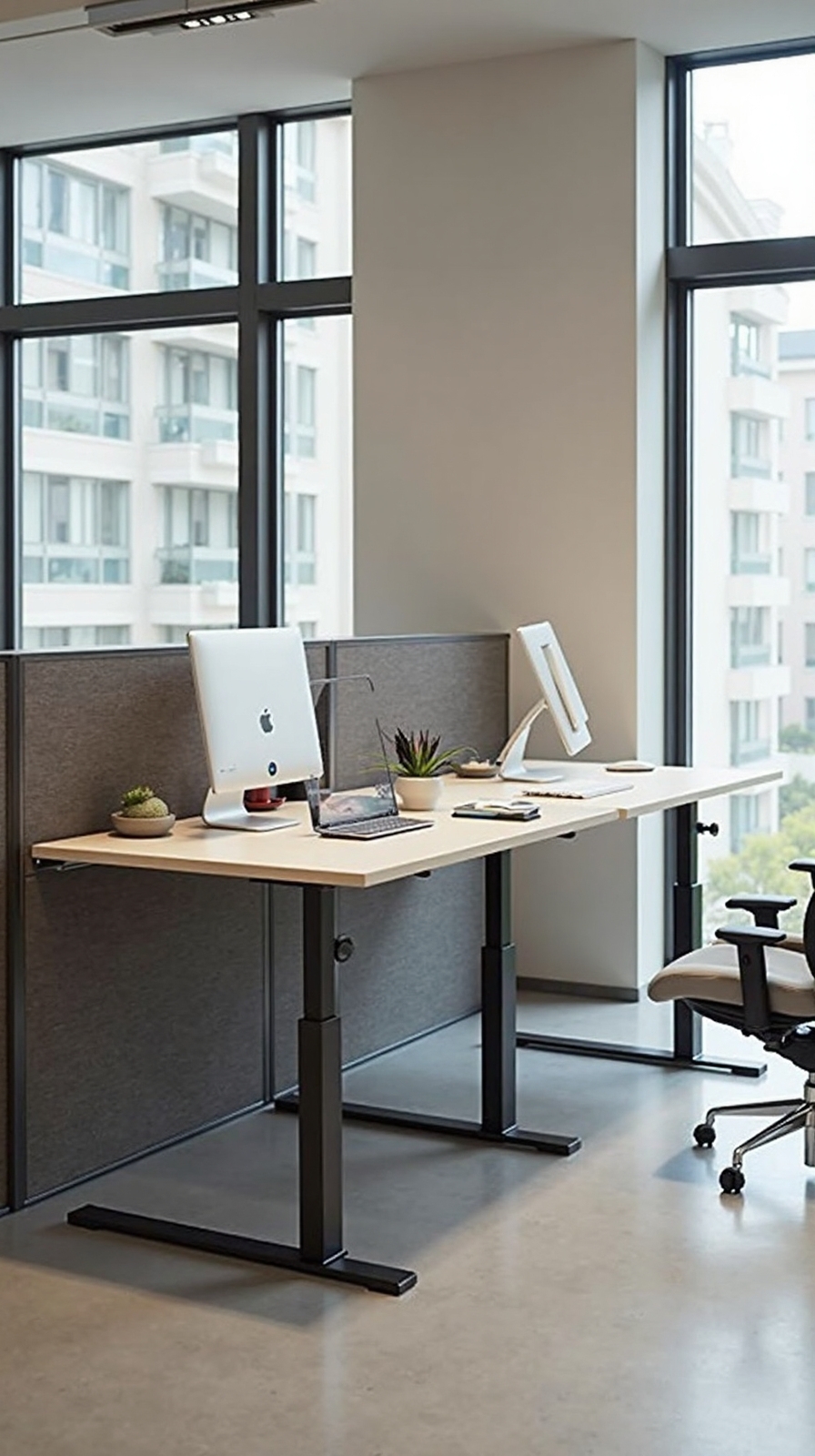
Beyond visual elements like color zones, physical comfort plays a major role in creating an effective dual workspace that accommodates different users. You’ll want to invest in height-adjustable desks that can seamlessly shift between sitting and standing positions for both partners.
Start with electric sit-stand desk frames that offer memory presets, allowing each person to save their preferred heights with the push of a button. This eliminates daily readjustment hassles and promotes healthier work habits.
Consider ergonomic chair options that complement your adjustable desks, ensuring proper support regardless of height differences. For tech setup, plan dual monitor configurations that can pivot and tilt independently. This flexibility lets each user optimize their screen positioning without affecting their partner’s workspace, creating a truly personalized and comfortable environment.
Shared Central Storage With Personal Organization Systems
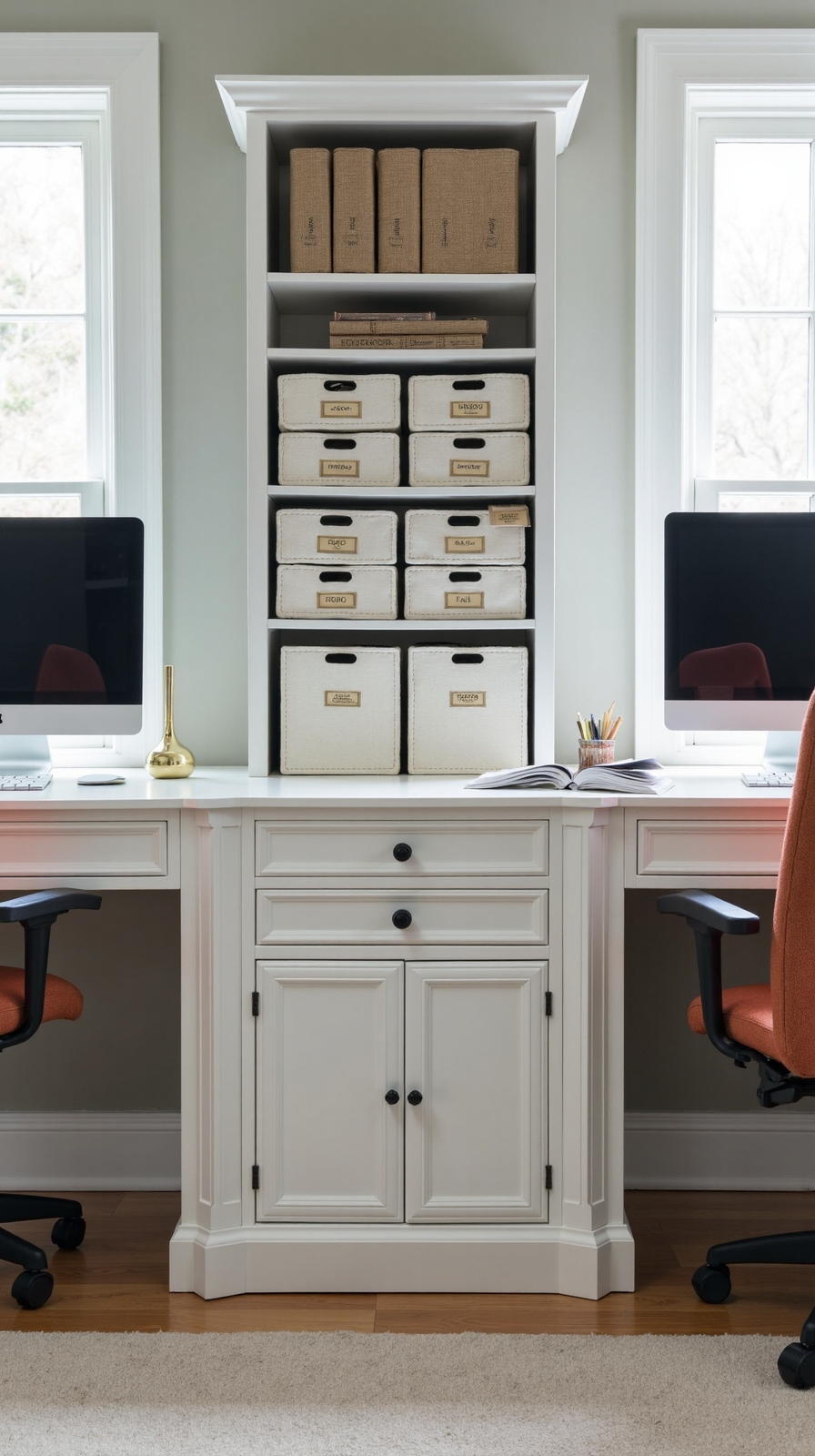
Effective dual home offices typically benefit from a centralized storage hub that houses shared supplies while maintaining individual organizational systems for each person’s unique workflow needs. Shared archive cabinets serve as your primary repository for documents both users access regularly, while personal drawers keep individual files separate and secure.
Position centralized filing solutions between workstations to create equal access without disrupting either person’s workspace flow. Install modular shelving units with designated sections for common supplies like printer paper, reference materials, and backup electronics. Each person should maintain their own color-coded filing system within the shared structure.
Consider rolling carts that dock into central stations but move to individual desks when needed. This flexibility lets you customize your organization while keeping shared resources accessible to both users.
Lighting Design That Eliminates Shadows and Eye Strain
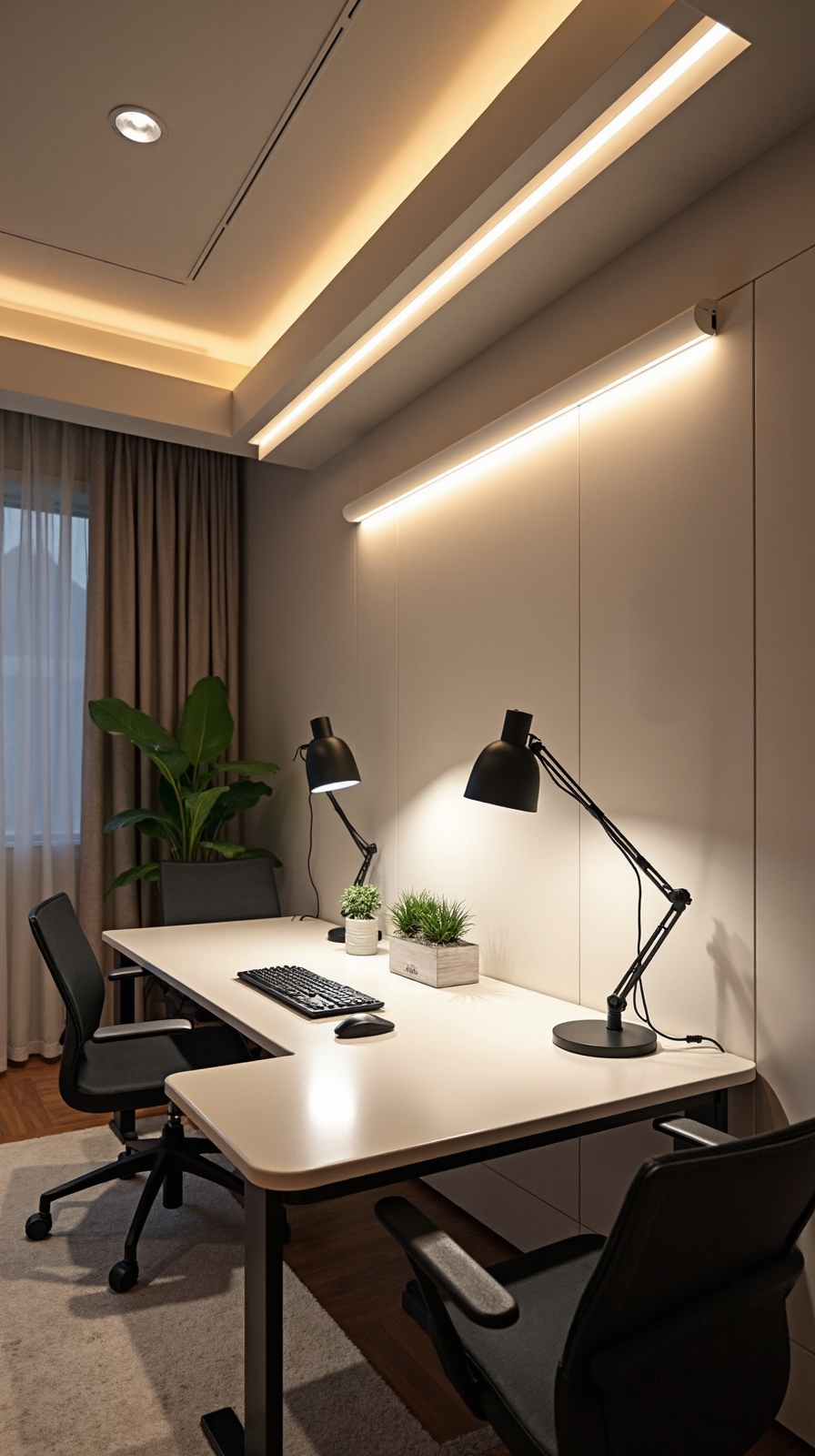
Well-planned lighting alters your dual home office from a source of daily eye fatigue into a comfortable workspace that supports extended productivity for both users. You’ll need three distinct lighting layers to eliminate harsh shadows and reduce strain.
Start with diffused overhead lighting that provides even illumination across both workstations without creating glare on screens. Position ceiling fixtures strategically to avoid casting shadows when you’re writing or typing.
Next, establish consistent ambient lighting levels throughout the space using floor lamps or wall sconces. This background illumination prevents your eyes from constantly adjusting between bright screens and dark surroundings.
Finally, add individual task lighting at each workstation. Adjustable desk lamps with warm LED bulbs give each person control over their immediate workspace brightness, creating the perfect balance for concentrated work.
Multi-Level Workspace Using Platforms and Risers
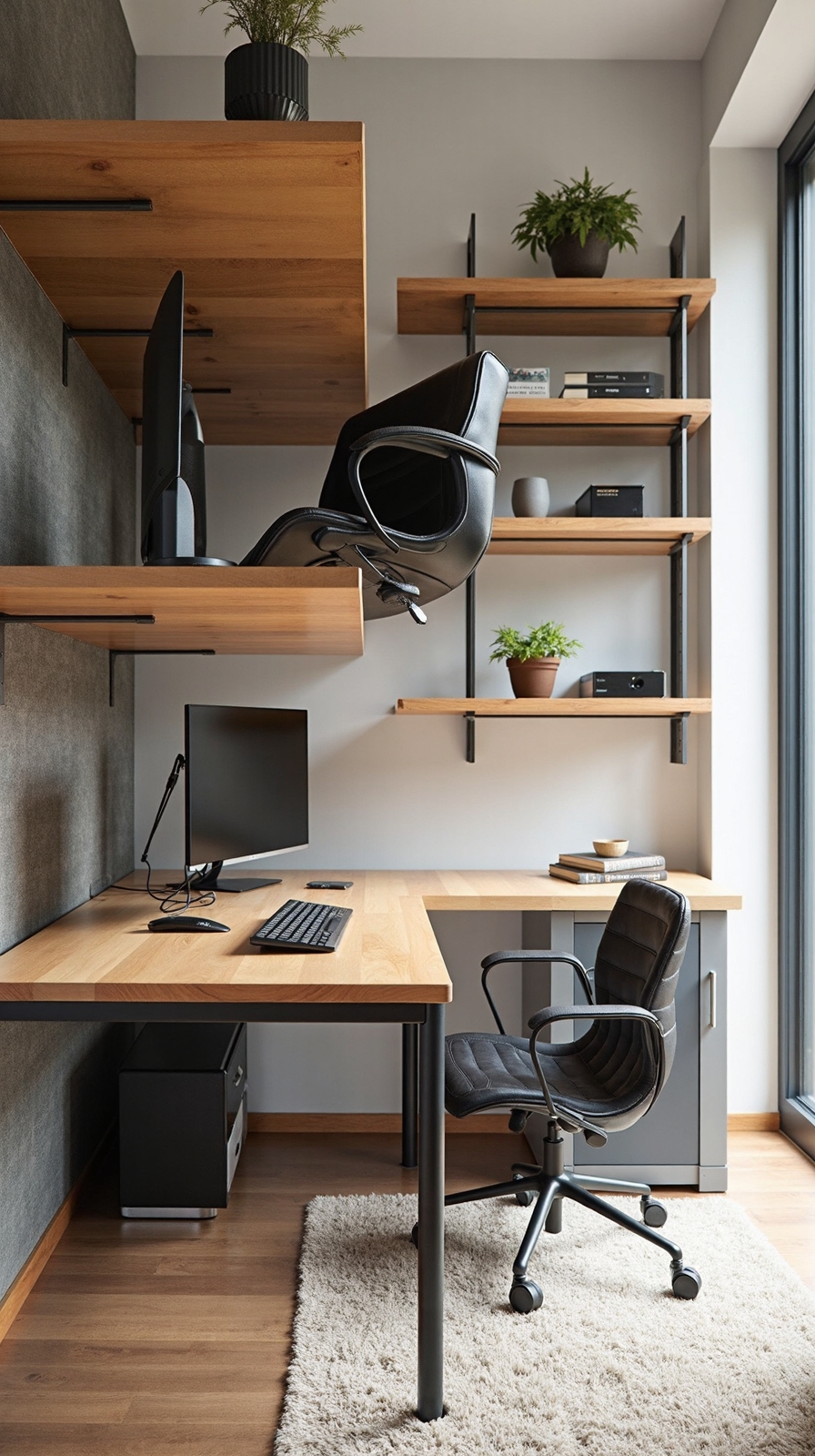
When floor space runs short, creating vertical separation through platforms and risers alters cramped quarters into distinct, functional work zones for two people. You’ll uncover that raising one workspace eighteen to twenty-four inches above floor level naturally defines boundaries while maximizing your available square footage.
Build elevated standing platforms using sturdy plywood and 2×4 lumber, ensuring they’re wide enough for comfortable movement. Position your standing desk on the raised section while keeping the traditional seated workspace at floor level. This configuration creates natural sight lines that reduce distractions.
Install multi purpose platform shelving beneath the elevated area to house shared equipment and storage containers. You’ll benefit from the dual functionality of workspace separation and increased storage capacity, changing vertical space into productive territory.
Convertible Furniture That Transforms Throughout the Day
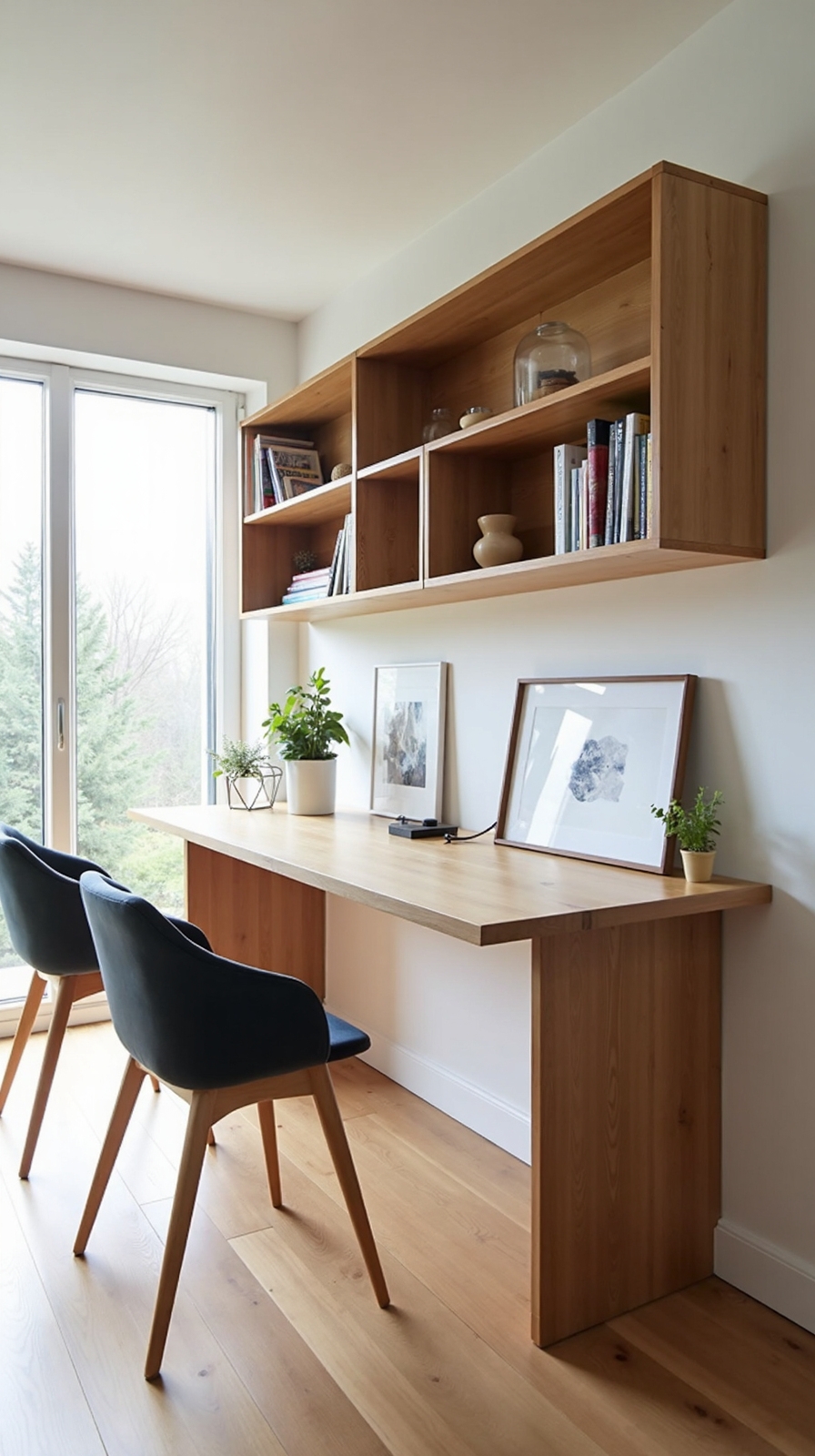
How can you accommodate two people’s varying work schedules and preferences when space remains limited? Convertible furniture offers the perfect solution by adjusting to different needs throughout your day.
Foldable desks convert your space instantly. Wall-mounted options fold down when needed, then disappear completely during off-hours. Murphy desk designs provide full workspace functionality while maintaining your room’s aesthetic appeal.
Modular shelving units create flexible storage solutions that reorganize based on current requirements. Stack components high for vertical filing, spread them wide for display space, or reconfigure sections to separate work zones.
Consider ottomans with hidden storage that double as seating during video calls. Expandable dining tables serve as conference surfaces when clients visit, then contract for intimate working sessions. These adaptable pieces give you complete control over your environment’s functionality.
Technology Integration That Keeps Cables and Devices Organized
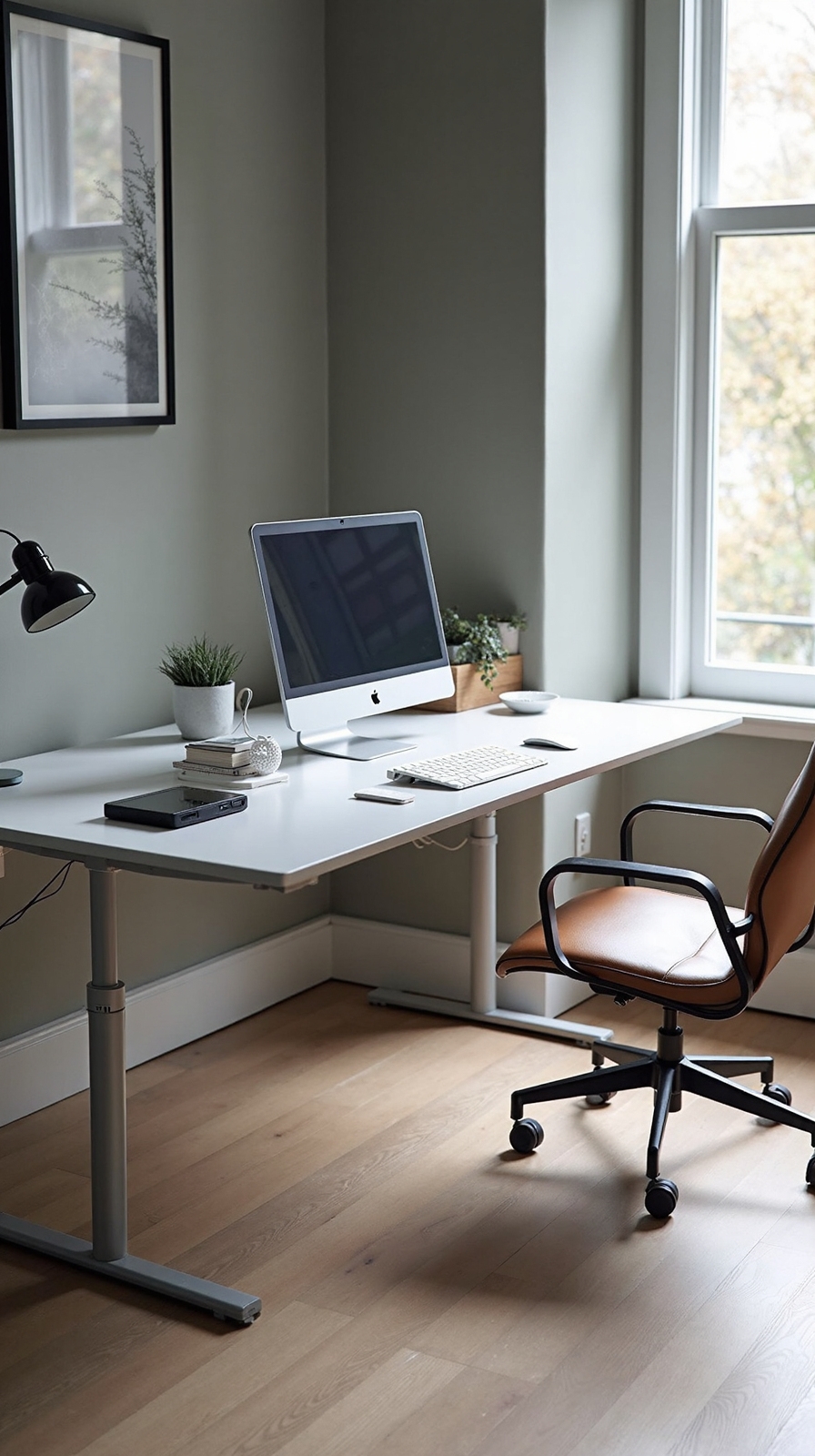
Multiple devices and tangled cables can quickly alter your carefully planned dual office into a chaotic mess of wires and frustration. Smart technology integration liberates you from desktop clutter while maintaining full functionality for both workstations.
Install under-desk cable management trays that route power cords and data cables along predetermined paths. These cable concealing techniques keep your workspace clean while allowing easy access when you need modifications. Mount power strips beneath desks to eliminate floor hazards and create streamlined connections.
Wireless charging stations positioned strategically between workstations eliminate the need for multiple charging cables throughout your space. Choose models that accommodate phones, tablets, and earbuds simultaneously. This centralized approach reduces cable proliferation while ensuring devices stay powered.
Consider cable-free monitors and wireless keyboards to minimize connection points between shared equipment.
Personalization Strategies That Reflect Both Users’ Styles
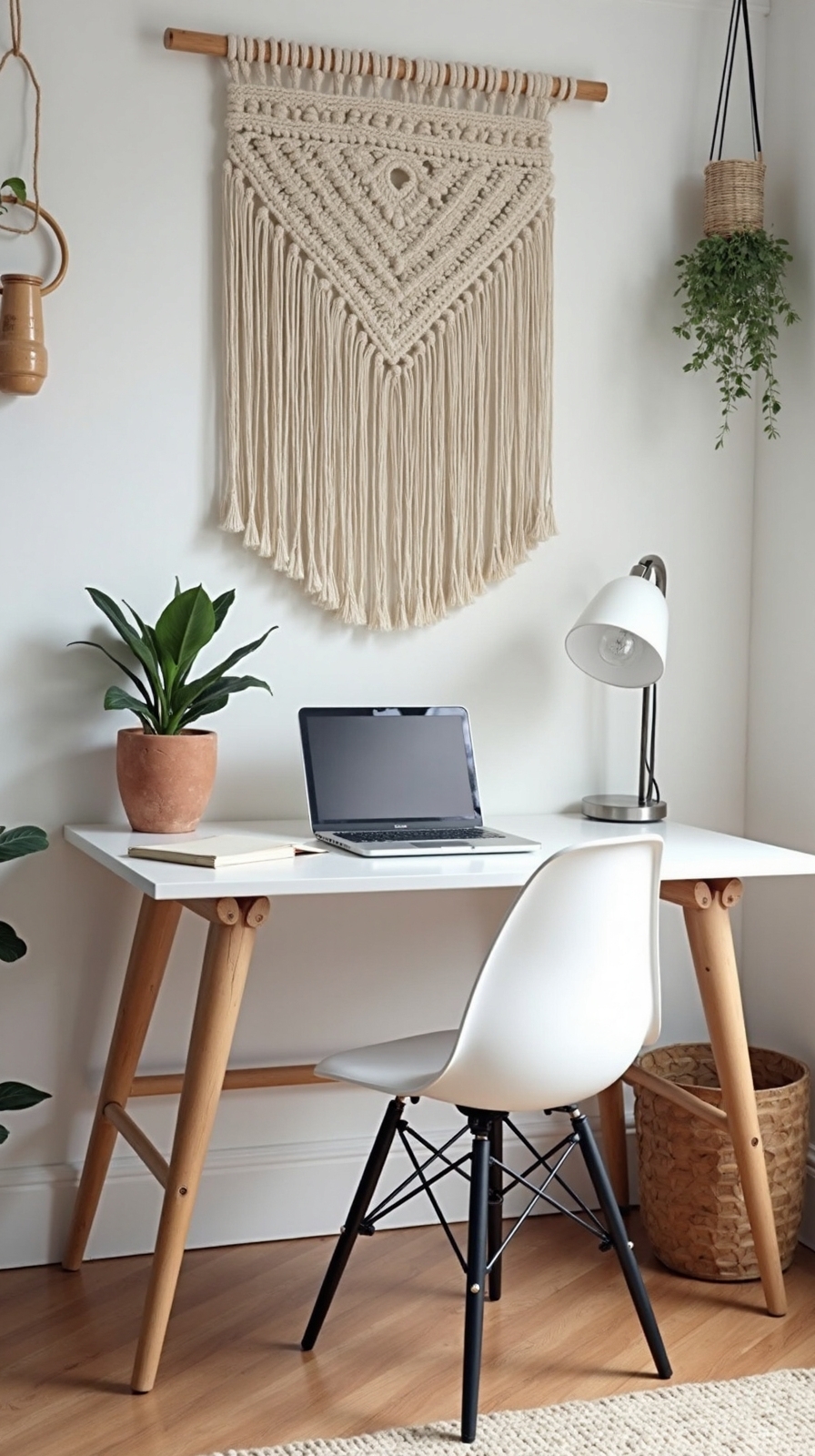
Balancing two distinct personalities and work styles within one shared office space requires thoughtful design choices that honor both users’ preferences without creating visual chaos. You’ll want to establish separate zones where each person can express their individual aesthetic through personalized wall art that speaks to their interests and motivations.
Consider dividing wall space equally, allowing one partner to display modern abstracts while the other showcases vintage photography. Customized desk accessories offer another opportunity for personal expression without overwhelming the room’s cohesive design. You can maintain visual harmony by choosing accessories in complementary colors or materials.
Try incorporating a unifying element like matching artwork or coordinated storage boxes that tie both personalized areas together seamlessly.
Conclusion
You’ll alter your shared workspace into a productive haven by implementing these dual office strategies. Balance function with flow through smart furniture choices, clever storage solutions, and thoughtful layout planning. Remember that successful dual offices require compromise and communication between users. Start with one or two key elements, then gradually build your ideal setup. Your perfectly balanced dual home office awaits—it’s time to create a space that works for both of you.