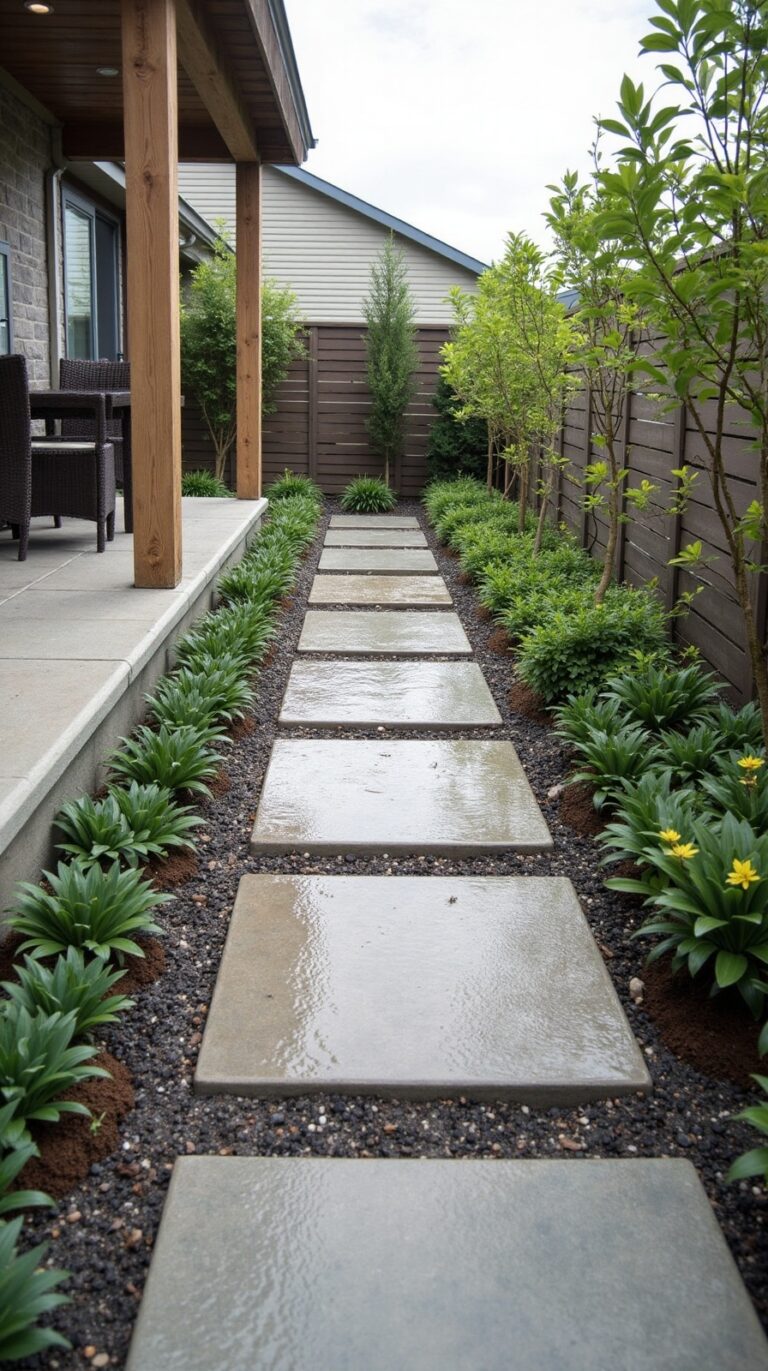
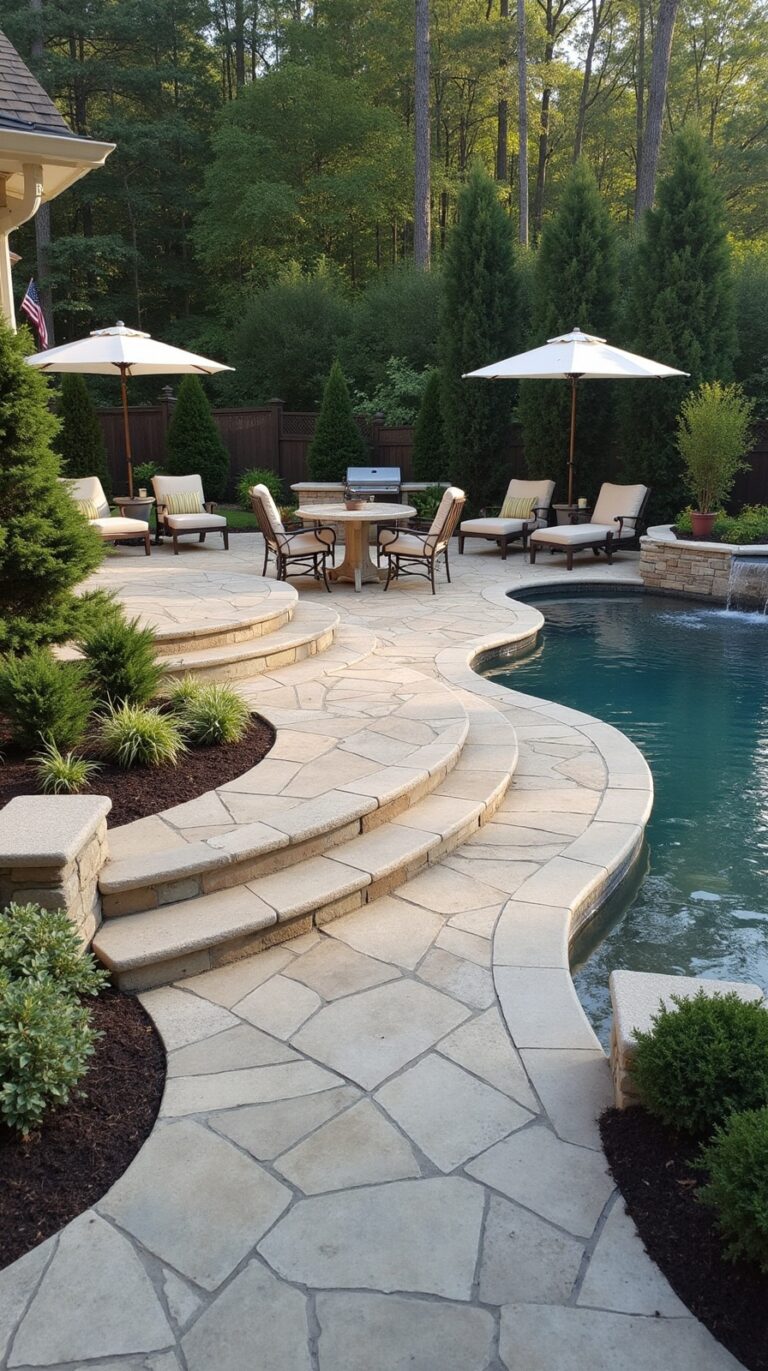
14 Eco-Friendly Green Patio Ideas With Eco-Friendly Design
Innovative eco-friendly patio designs transform outdoor spaces using sustainable materials and green technologies that slash costs while creating stunning retreats.
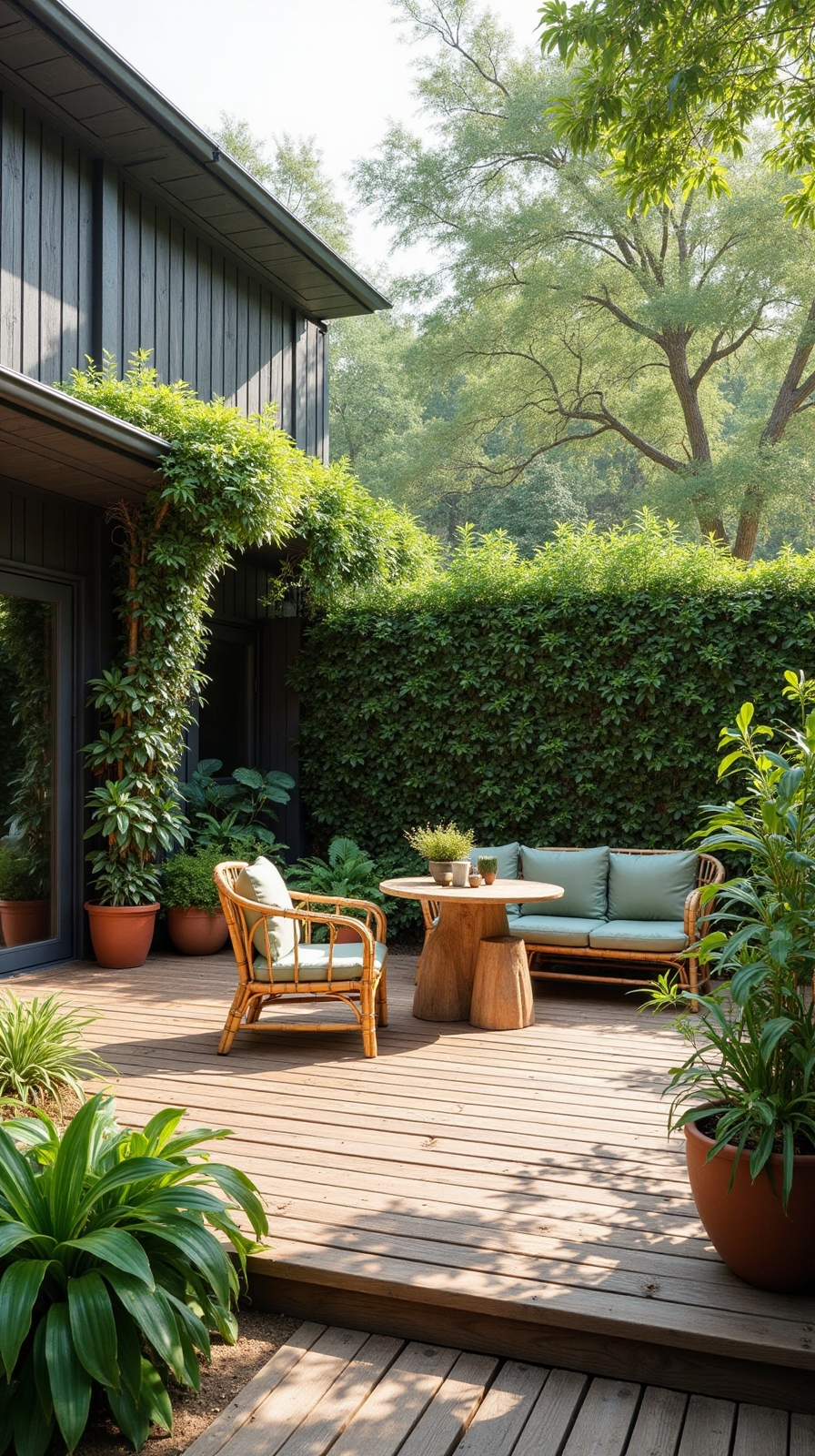
You can alter your outdoor space into an environmentally responsible retreat that reduces your carbon footprint while creating a beautiful gathering area. These eco-friendly patio design strategies help you save money, conserve natural resources, and support local ecosystems without sacrificing style or functionality. From recycled materials to solar power systems, each sustainable choice you make contributes to a greener future while enhancing your home’s value and appeal in ways you might not expect.
Use Recycled and Reclaimed Materials for Patio Construction
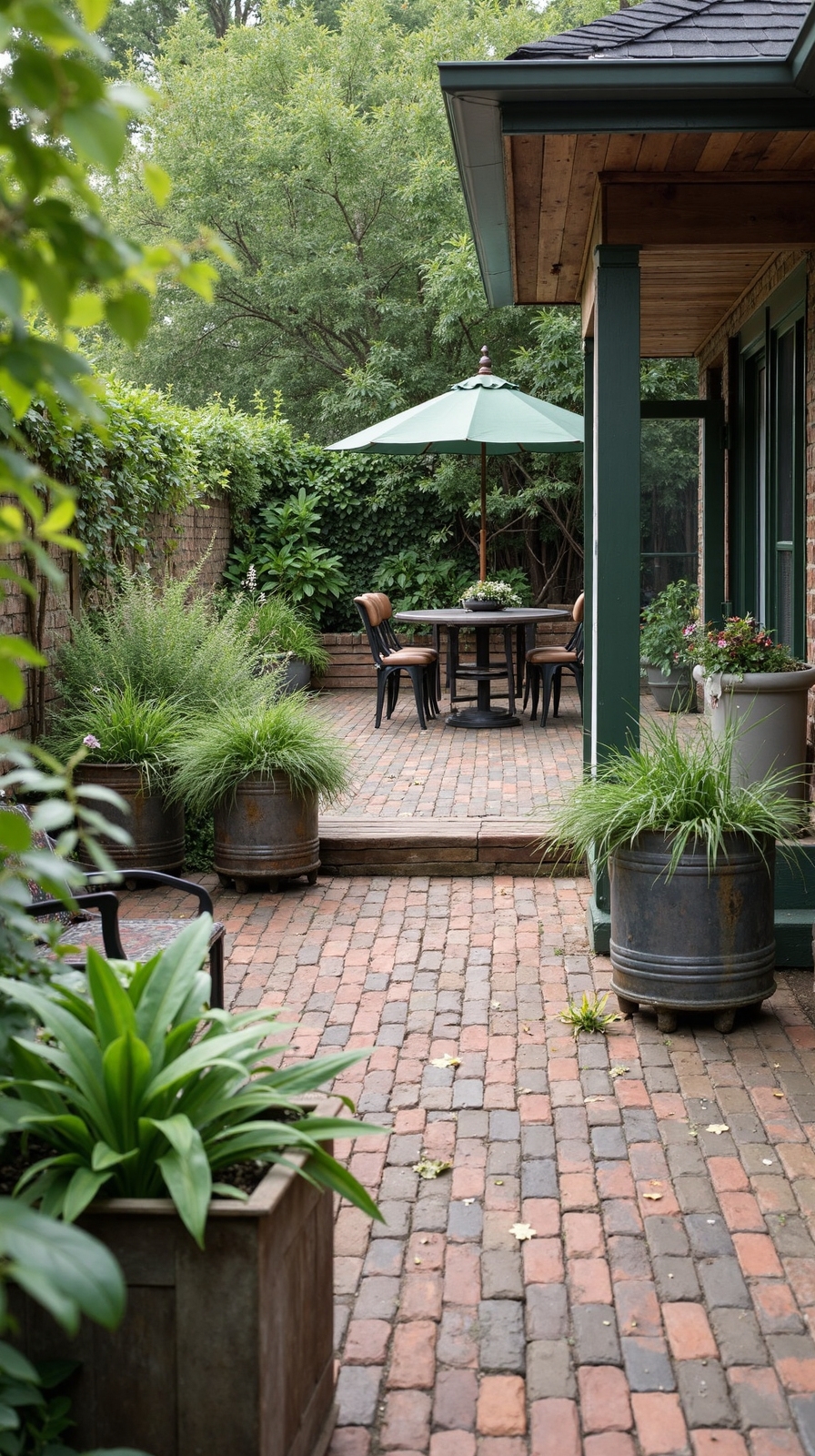
When you’re planning your patio construction, choosing recycled and reclaimed materials offers both environmental benefits and unique aesthetic appeal. You’ll explore that these sustainable options provide creative freedom while reducing waste and costs.
Utilize recycled plastic pavers for durable, low-maintenance surfaces that resist weathering and won’t require regular replacement. These pavers come in various colors and textures, giving you design flexibility.
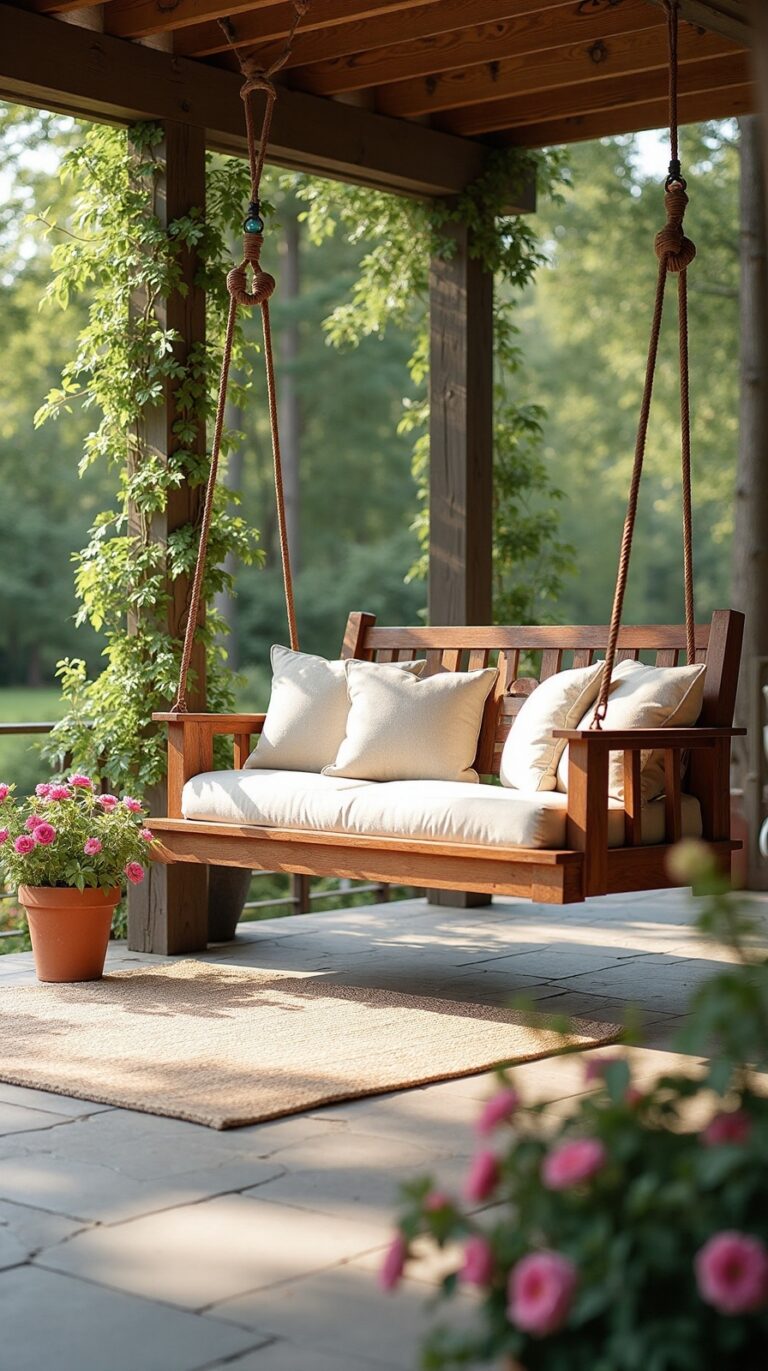
Incorporate salvaged wood features like reclaimed barn wood for pergolas, planters, or accent walls. This weathered lumber adds character and tells a story while diverting materials from landfills. You’re creating something beautiful while protecting the environment.
Consider incorporating gravel patio ideas as an affordable and fast alternative that can complement your recycled materials while creating charming outdoor spaces.
Install Solar-Powered Lighting Systems
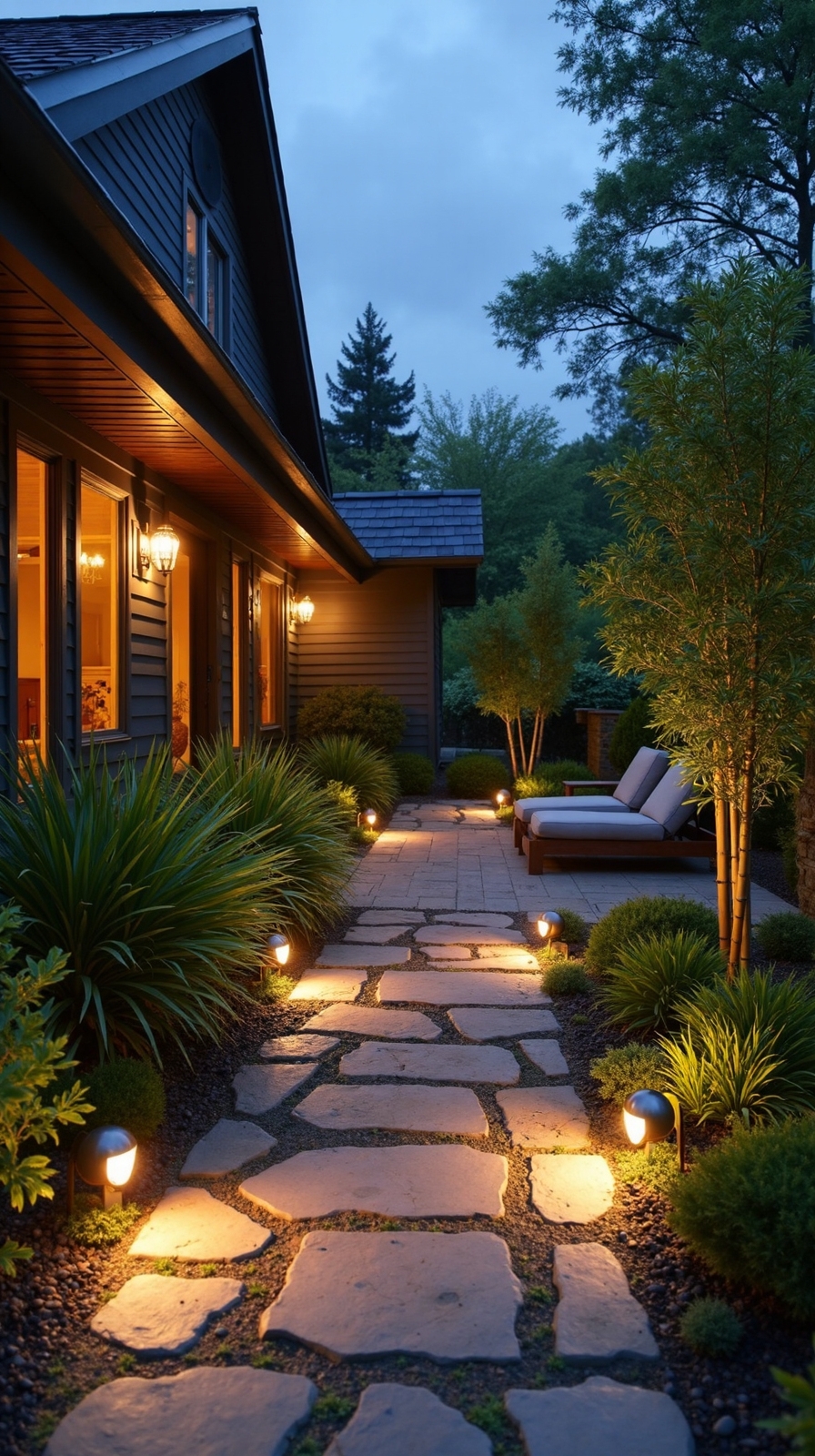
Solar-powered lighting systems convert your patio into an enchanting evening retreat while eliminating electricity costs and reducing your carbon footprint. You’ll uncover incredible freedom from utility bills and grid dependency through strategic solar panel installation around your outdoor space.
Choose energy efficient bulbs like LED fixtures that maximize battery life and deliver brilliant illumination throughout the night.
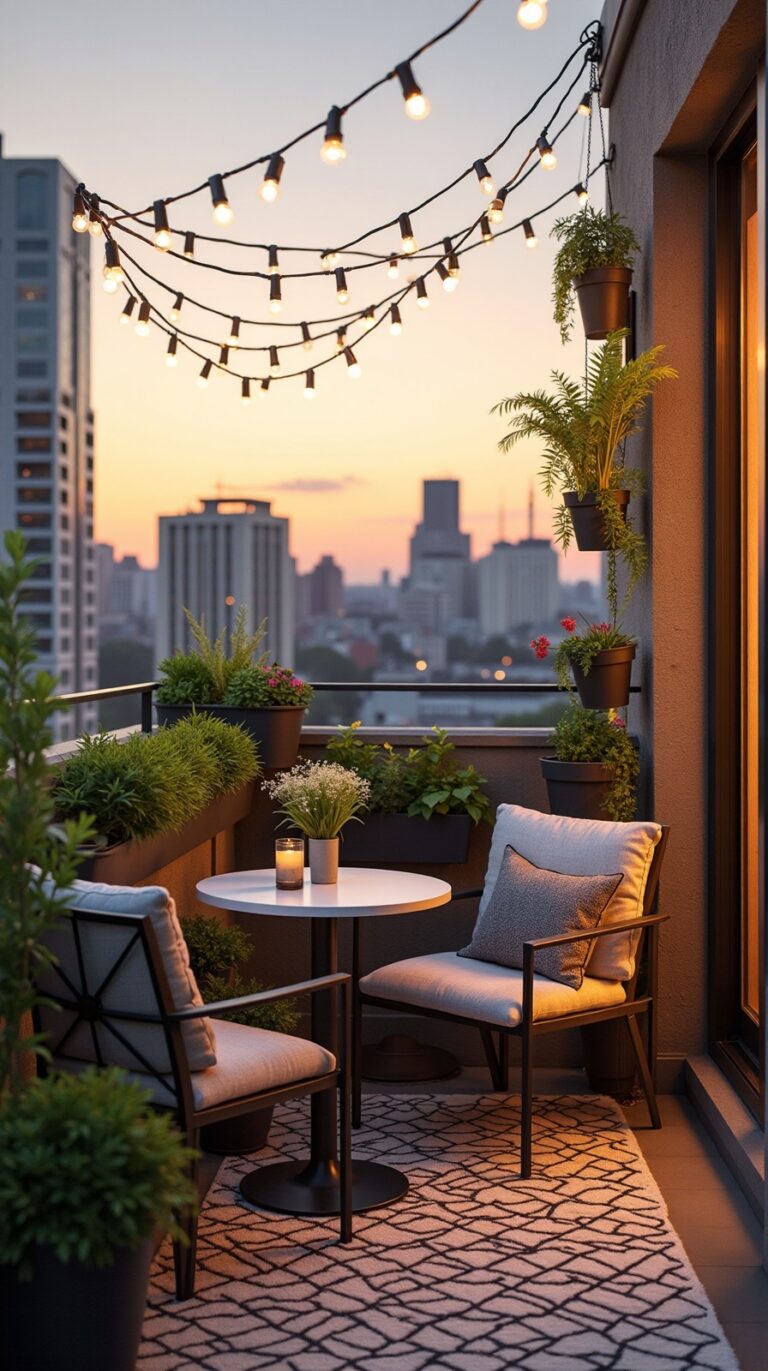
Install pathway lights along walkways, string lights overhead for ambiance, and spotlights to highlight garden features. Hanging patio lights create particularly magical evening atmospheres when suspended at varying heights throughout your outdoor space. Most systems require zero wiring—simply stake them into soil or mount on surfaces. You’ll enjoy wireless convenience while contributing to environmental sustainability.
Create a Rainwater Collection System
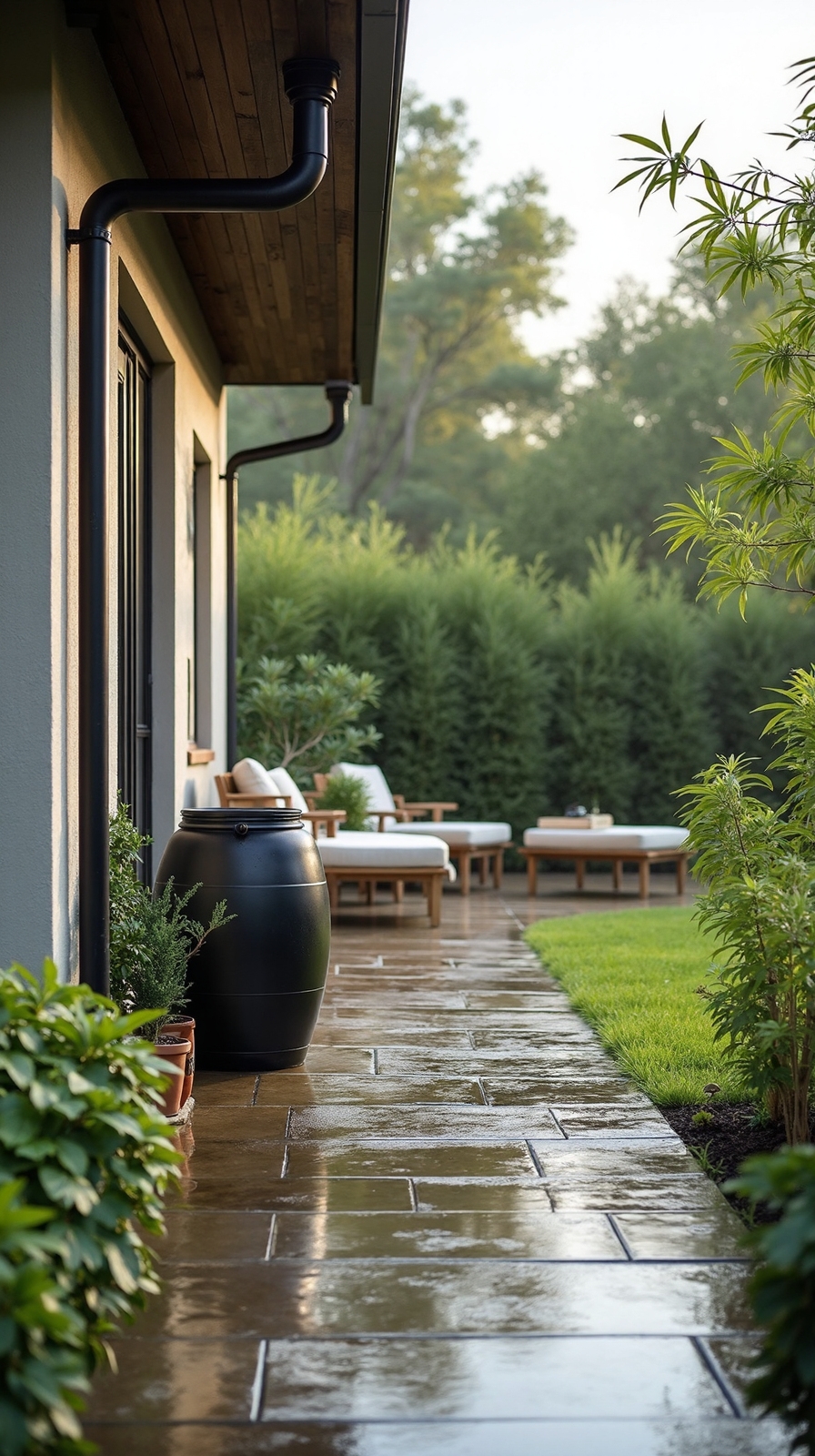
Although traditional irrigation methods drain municipal water supplies, rainwater collection converts your patio into a self-sustaining ecosystem that captures nature’s free resource. You’ll break free from utility dependence while nurturing your plants naturally.
Start with simple water harvesting techniques by positioning rain barrel storage beneath your gutters’ downspouts. Choose food-grade barrels with tight-fitting lids and spigots for easy access. Install overflow valves to redirect excess water away from your home’s foundation.
Connect multiple barrels using linking kits to maximize collection capacity during heavy storms. Add mesh screens to prevent debris and mosquito breeding while maintaining water quality for irrigation. Proper water drainage around your collection area ensures excess runoff flows away from structures rather than creating standing water that could damage your patio foundation.
Choose Native Plants for Your Landscaping
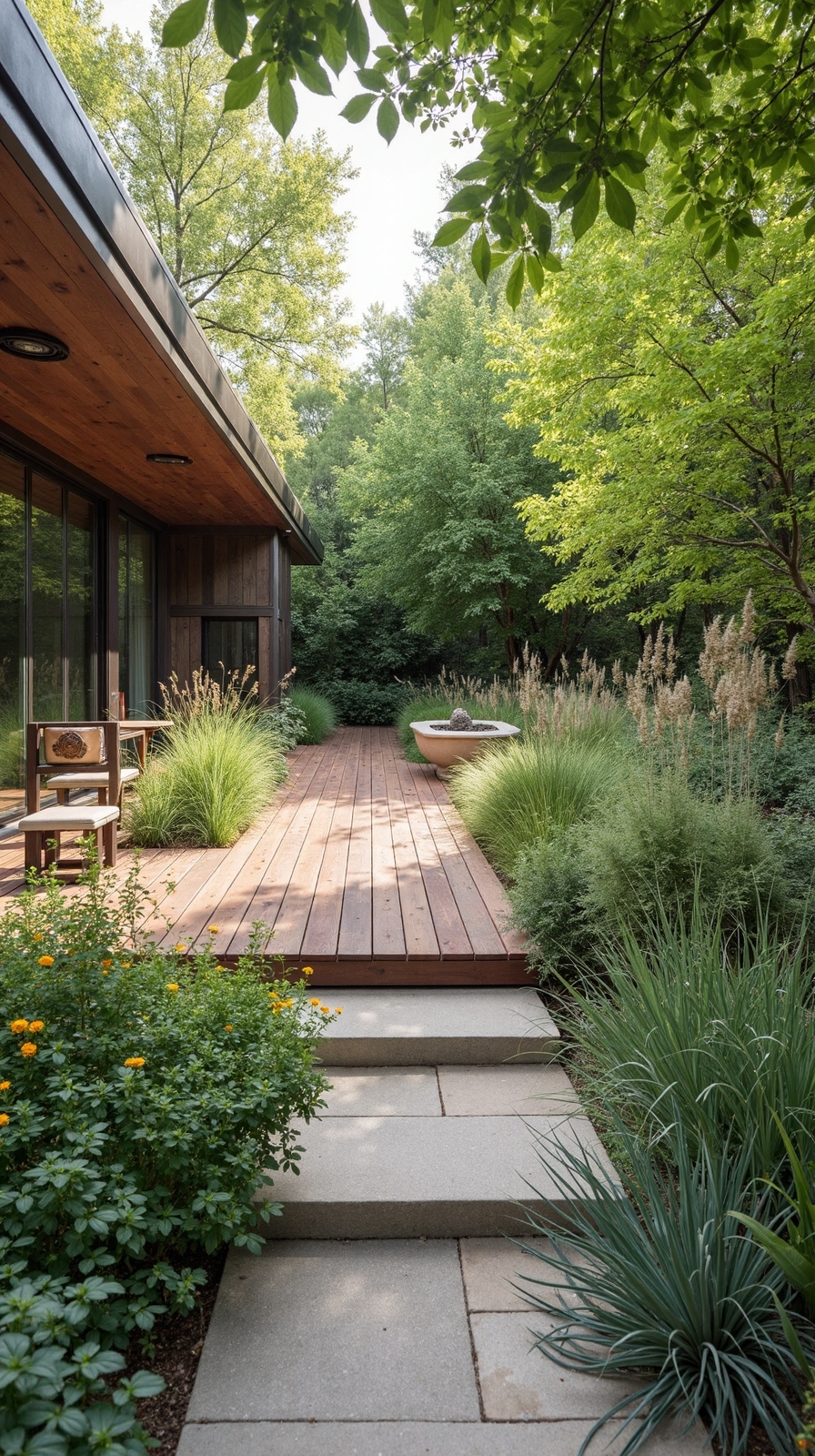
Native plants alter your patio scenery into a thriving ecosystem that requires minimal water, fertilizer, or pest control while supporting local wildlife. When you opt for native vegetation, you’re choosing plants that’ve adapted to your region’s specific soil conditions and weather patterns over thousands of years.
Contact your local extension office or native plant society to identify indigenous species that’ll flourish in your area. You’ll uncover drought-resistant wildflowers, ornamental grasses, and flowering shrubs perfect for container gardens or ground plantings.
Select climate appropriate plants that naturally resist local pests and diseases, reducing your maintenance workload while creating authentic regional beauty. These native species will bring natural greenery and freshness to your outdoor space while maintaining the ecological balance of your local environment.
Build Raised Garden Beds With Sustainable Materials
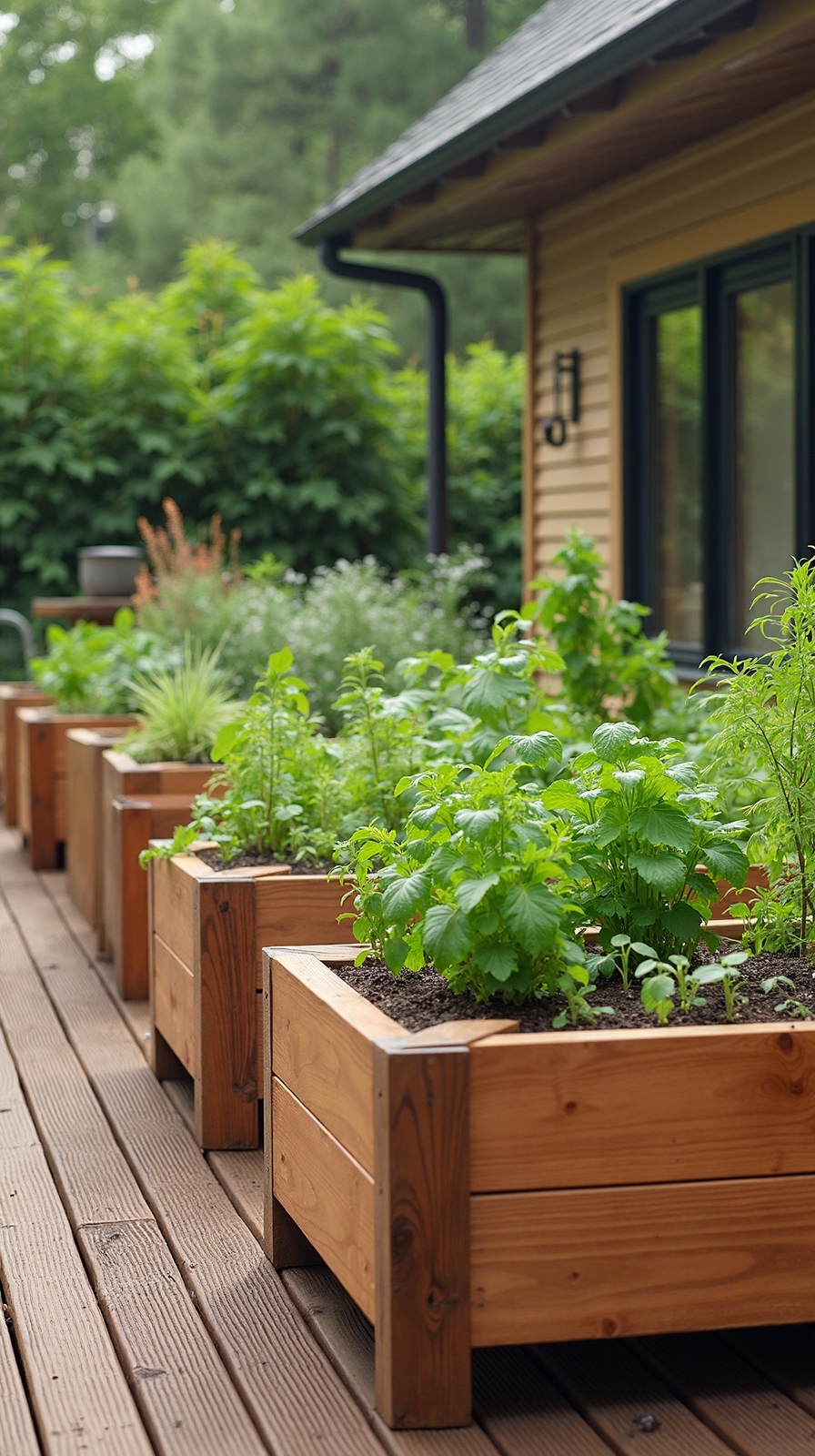
Why settle for conventional lumber when you can construct beautiful raised garden beds using reclaimed wood, recycled composite materials, or natural stone? You’ll break free from wasteful practices while creating stunning outdoor spaces that reflect your values.
Use reclaimed wood from old barns, fences, or shipping pallets to build sturdy, character-rich garden beds. These weathered materials add rustic charm while preventing waste from reaching landfills.
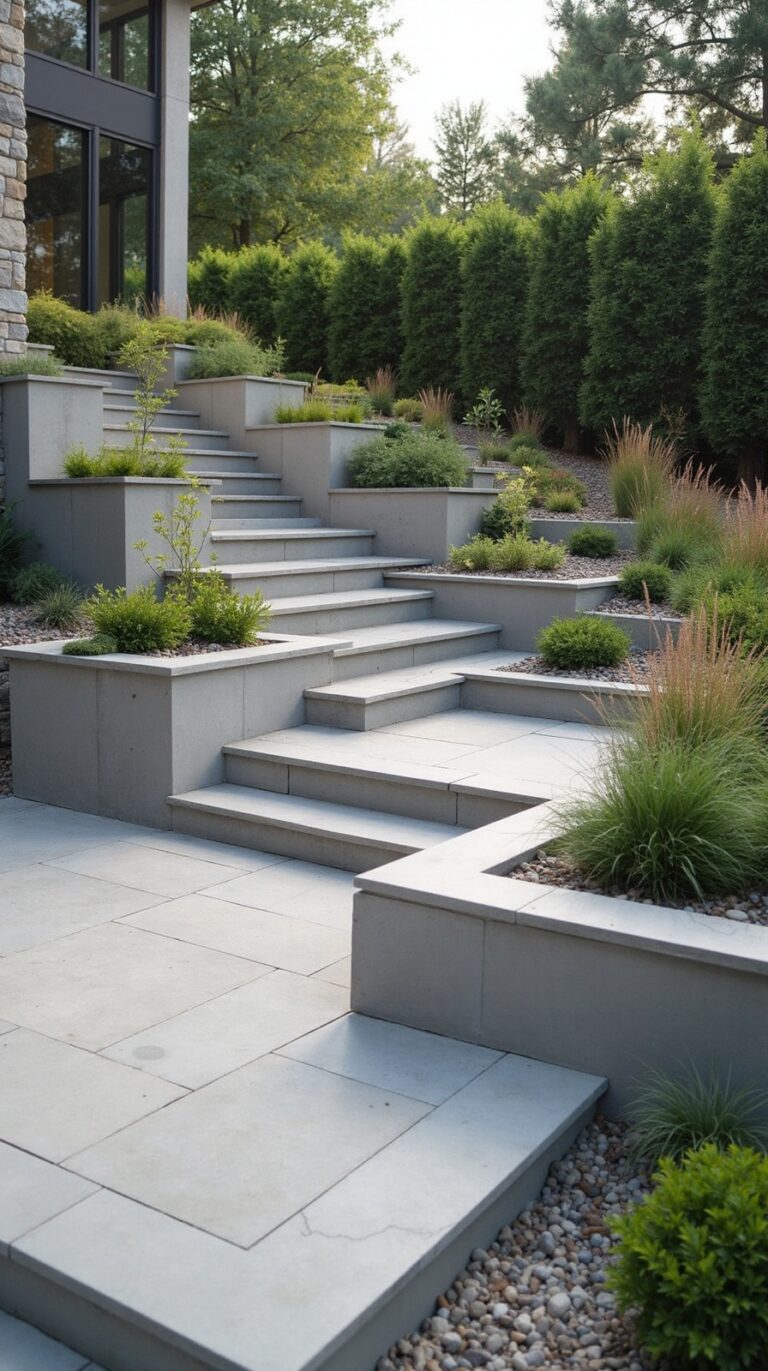
Incorporate repurposed materials like recycled plastic lumber, which resists rot and insects without chemical treatments. Natural stone borders create permanent structures that’ll last decades without maintenance, giving you the freedom to garden sustainably. Consider designing your beds with organic shapes that flow naturally with your landscape, moving away from rigid rectangular patterns to create a more harmonious outdoor environment.
Incorporate Permeable Paving Options
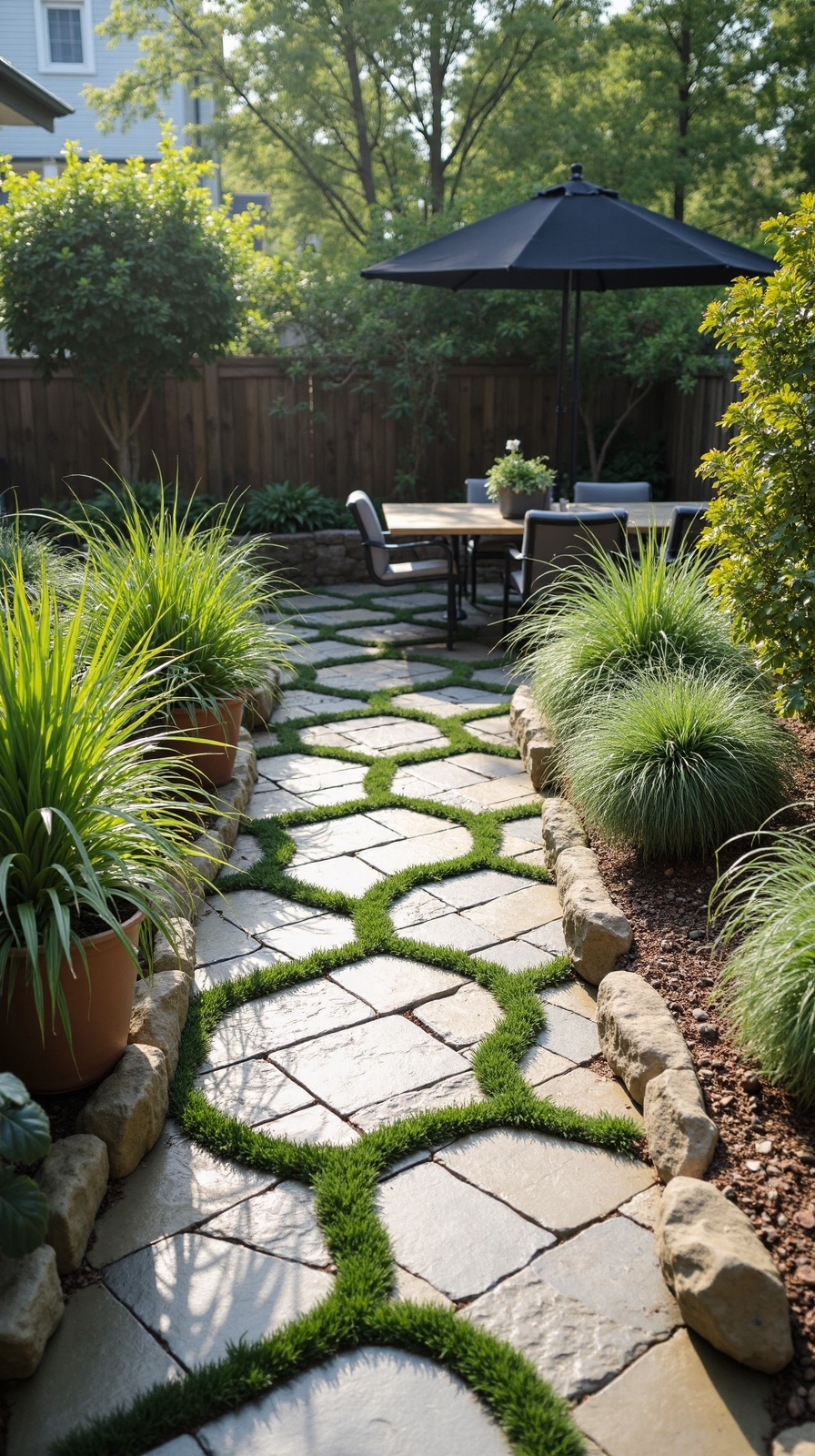
When traditional concrete and asphalt create runoff that overwhelms storm drains, permeable paving materials allow rainwater to filter naturally through your patio surface into the ground below.
You’ll find several porous pavement options that suit different budgets and design preferences. Permeable concrete surfaces offer durability while maintaining water absorption capabilities, making them ideal for high-traffic areas.
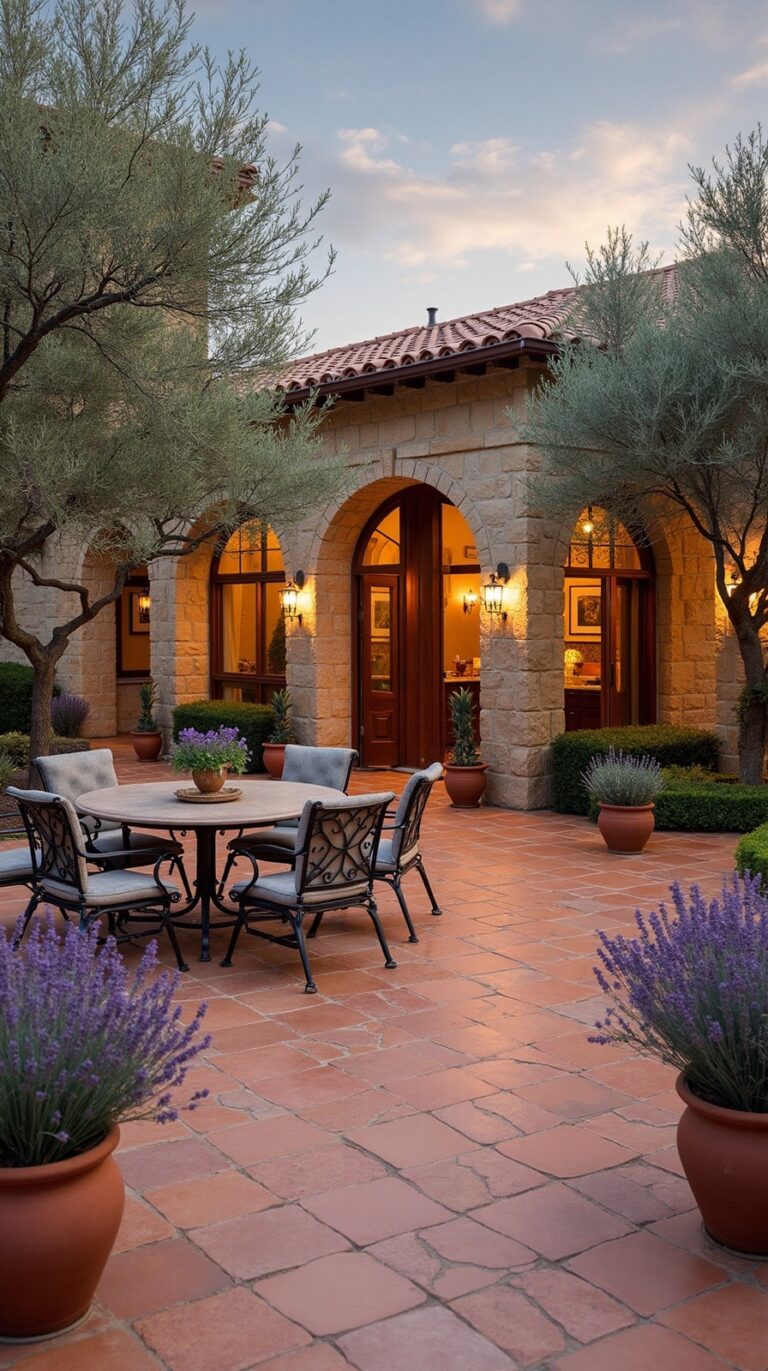
Consider gravel-filled pavers, recycled rubber tiles, or porous asphalt alternatives that reduce environmental impact. These materials prevent flooding, recharge groundwater supplies, and eliminate harmful chemical runoff. You’re creating a sustainable outdoor space that works with nature rather than against it.
Natural stone options provide excellent permeability while offering the aesthetic appeal and longevity that complement any patio design style.
Set Up a Composting Station
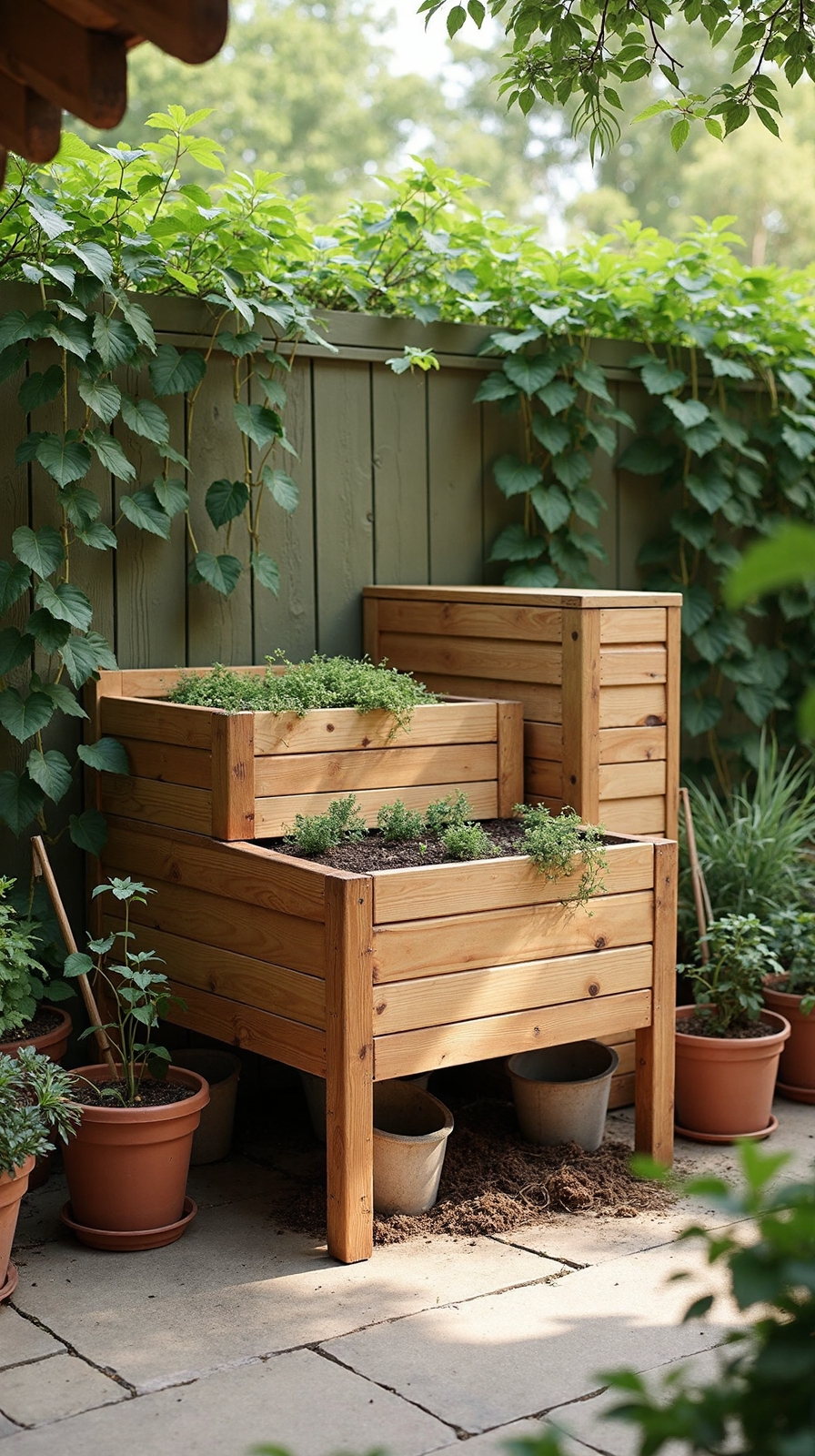
Since kitchen scraps and yard waste make up nearly 30% of household garbage, establishing a dedicated composting station on your patio converts waste into potent soil amendment while reducing landfill contributions. You’ll enjoy complete control over your waste stream while creating nutrient-rich compost for your plants.
Choose between two effective options: a compost tumbler for quick results through regular turning, or a vermicomposting bin using worms to break down organic matter. Both systems work perfectly in small patio spaces and produce finished compost within 3-6 months, giving you freedom from expensive store-bought fertilizers. Your finished compost becomes the perfect foundation for vegetable garden patio setups that maximize food production in compact areas.
Use Natural Pest Control Methods
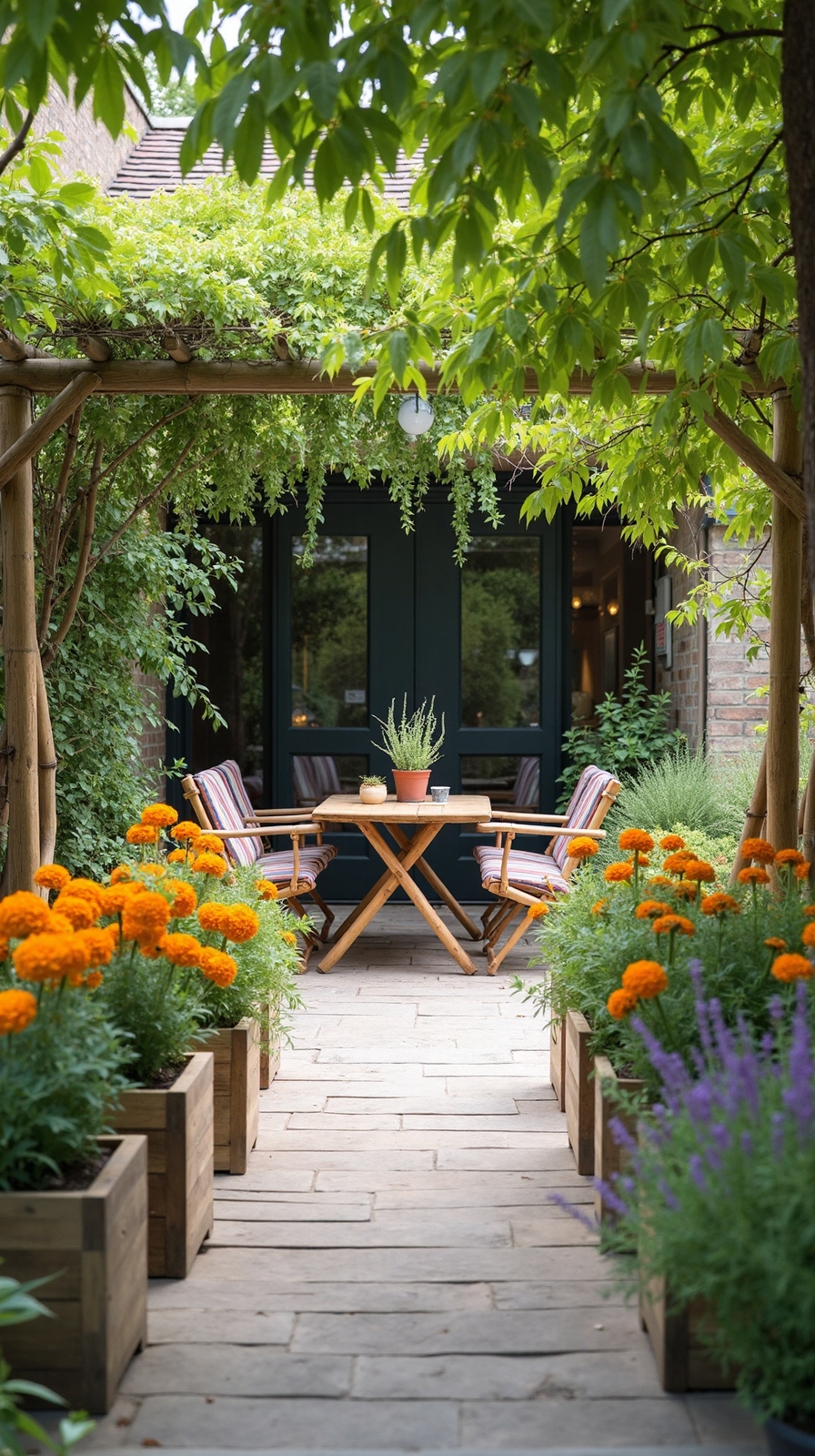
Although chemical pesticides deliver fast results, natural pest control methods protect your patio plants while safeguarding beneficial insects, pets, and family members from harmful toxins. You’ll find hand-picking larger pests like caterpillars and beetles offers immediate, targeted removal without environmental damage.
Encourage beneficial insects such as ladybugs and lacewings by planting native flowers nearby—they’ll naturally control aphids and other harmful bugs. When needed, employ organic pest sprays made from neem oil or insecticidal soap for gentle yet effective treatment. These eco-friendly approaches create a balanced patio ecosystem where your plants thrive without compromising your family’s health or environmental values. Consider incorporating patio planters filled with pest-deterrent herbs like basil and marigolds to naturally repel unwanted insects while adding beauty to your outdoor space.
Install Energy-Efficient Outdoor Fans
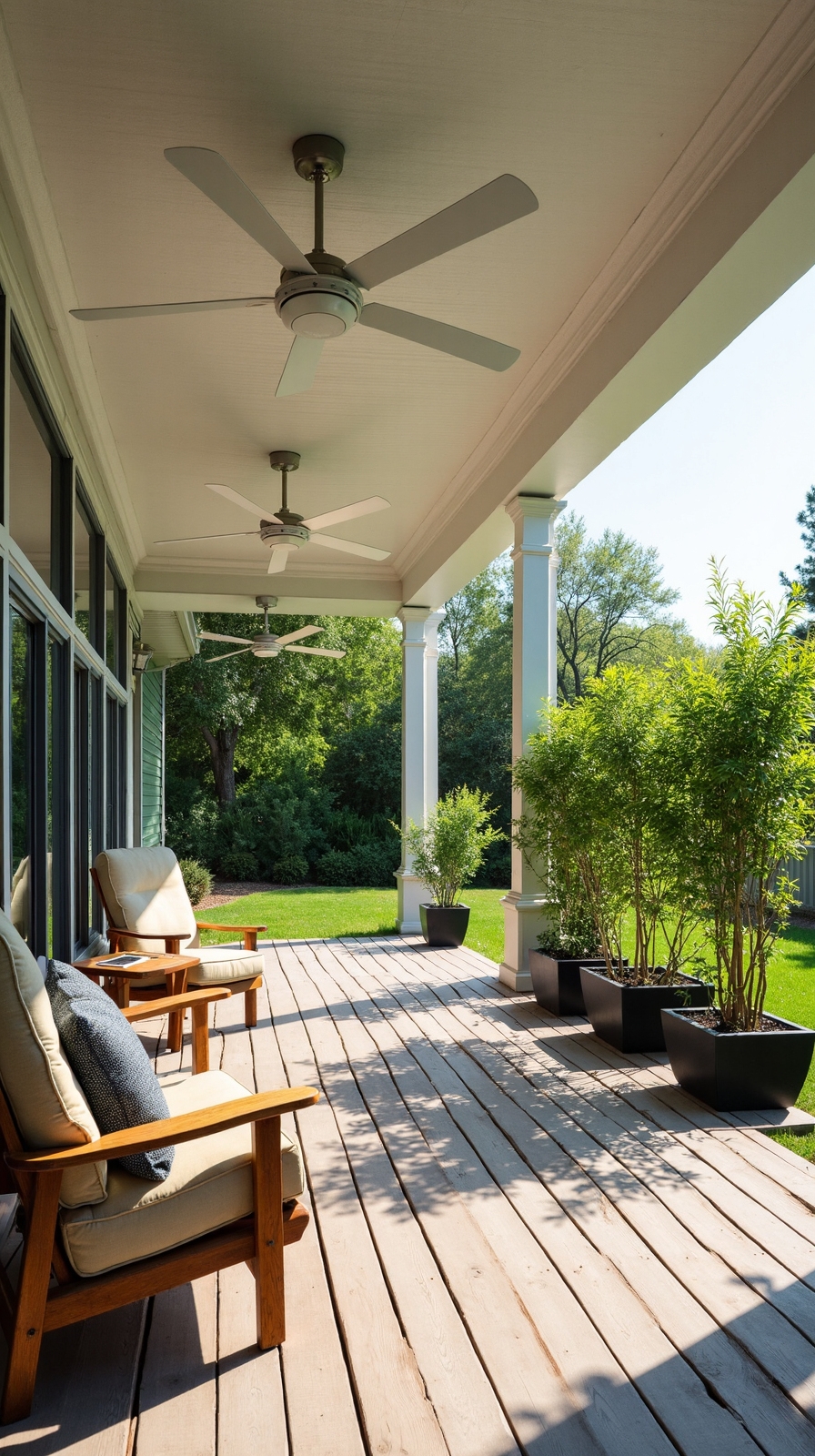
Energy-efficient outdoor fans dramatically reduce your patio’s electricity consumption while creating comfortable airflow that extends your outdoor living season. You’ll uncover ENERGY STAR-certified models consume up to 60% less energy than standard fans while supplying superior performance.
Choose variable-speed motors with reversible blade rotation to OPTIMIZE AIRFLOW throughout different seasons and weather conditions.
Install ceiling-mounted fans over seating areas or freestanding pedestal models for flexible placement options. Solar-powered fans offer complete energy independence for remote patio locations.
Look for copper motors and weatherproof housings that withstand outdoor elements while maintaining IDEAL ENERGY EFFICIENT COOLING performance year-round.
Create Shade With Living Structures
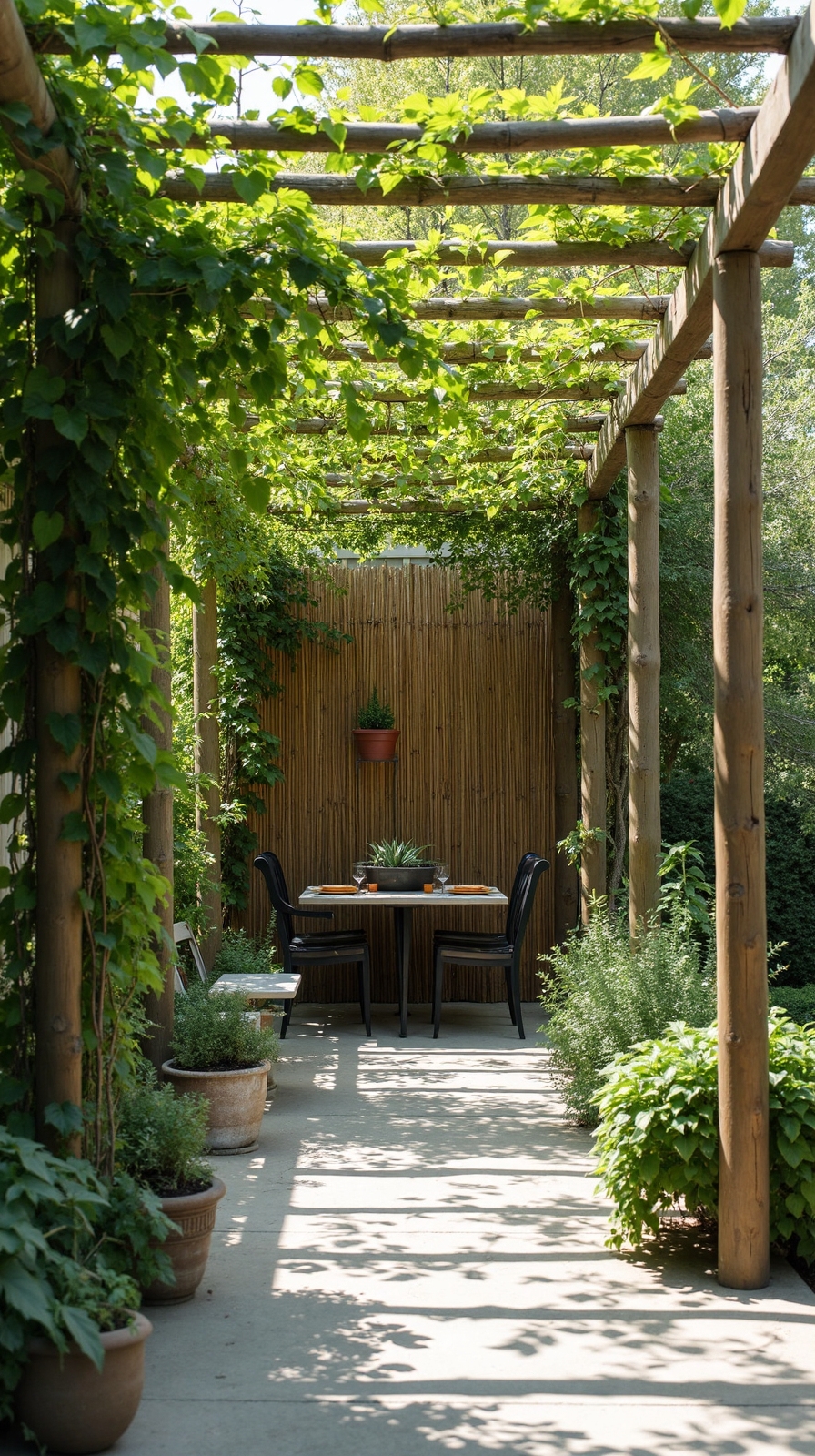
While artificial shade structures require manufactured materials and ongoing maintenance, living shade structures provide natural cooling while supporting local ecosystems and improving your patio’s air quality. You’ll create sustainable shade that grows stronger over time.
Plant fast-growing vines like grapes or climbing roses along pergolas and trellises. These living walls filter sunlight while producing oxygen.
Install vertical gardens on blank walls using modular planters filled with leafy plants.
Consider planting shade trees strategically around your patio’s perimeter. You’ll enjoy decades of natural cooling while reducing your environmental footprint and creating wildlife habitats.
Choose Eco-Friendly Outdoor Furniture
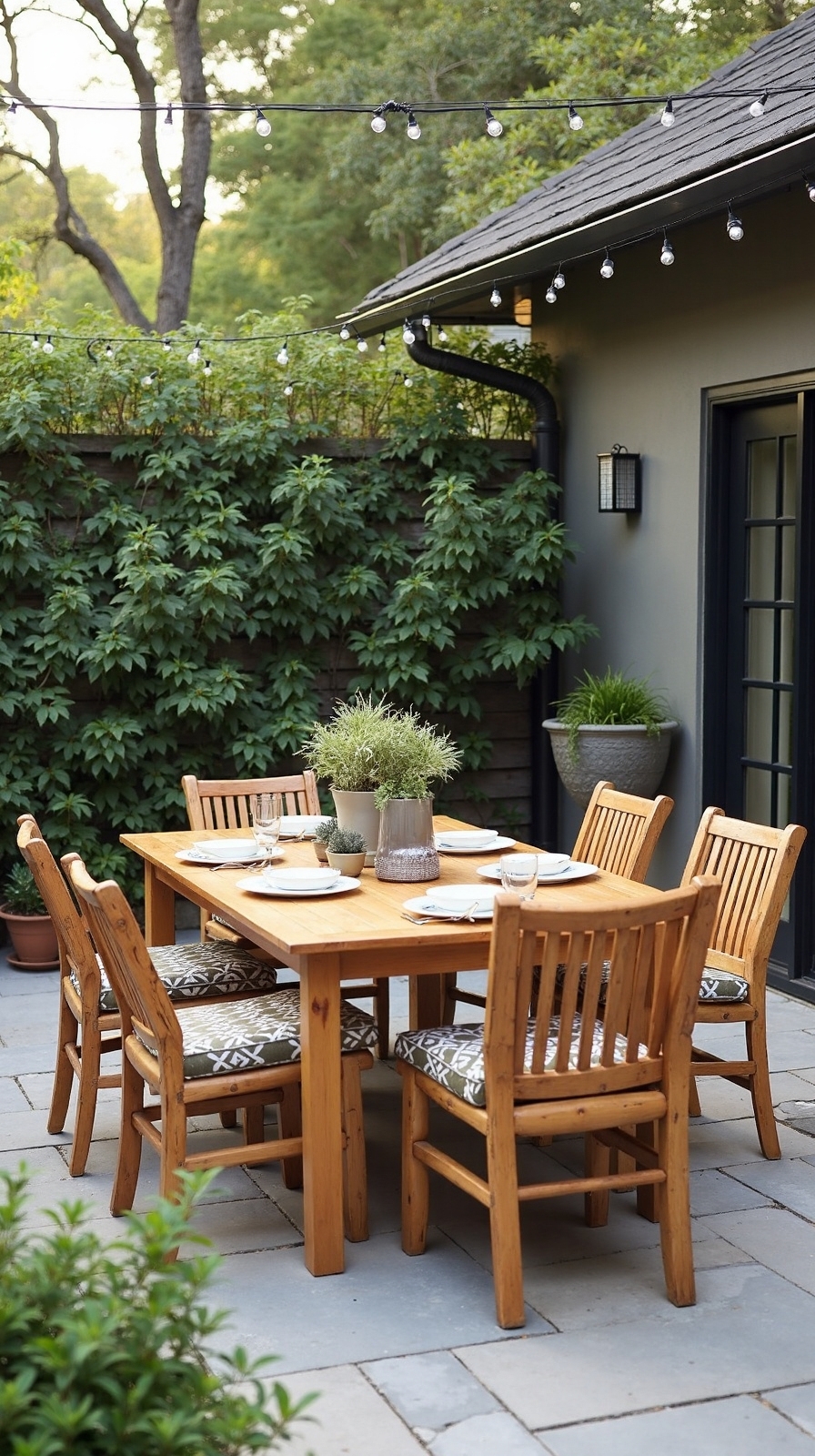
Since traditional outdoor furniture often contains harmful chemicals and unsustainable materials, selecting eco-friendly alternatives helps protect both your family’s health and the environment. You’ll uncover sustainable seating options made from reclaimed wood, bamboo, or recycled plastic that offer comfort without compromising your values.
Look for durable eco friendly tables crafted from FSC-certified teak or aluminum, which resist weather damage while lasting decades. These materials won’t leach toxins into your outdoor space, keeping your family safer during gatherings.
Choose pieces with natural finishes instead of chemical coatings, and prioritize local manufacturers to reduce transportation emissions while supporting your community’s economy.
Implement Drip Irrigation Systems
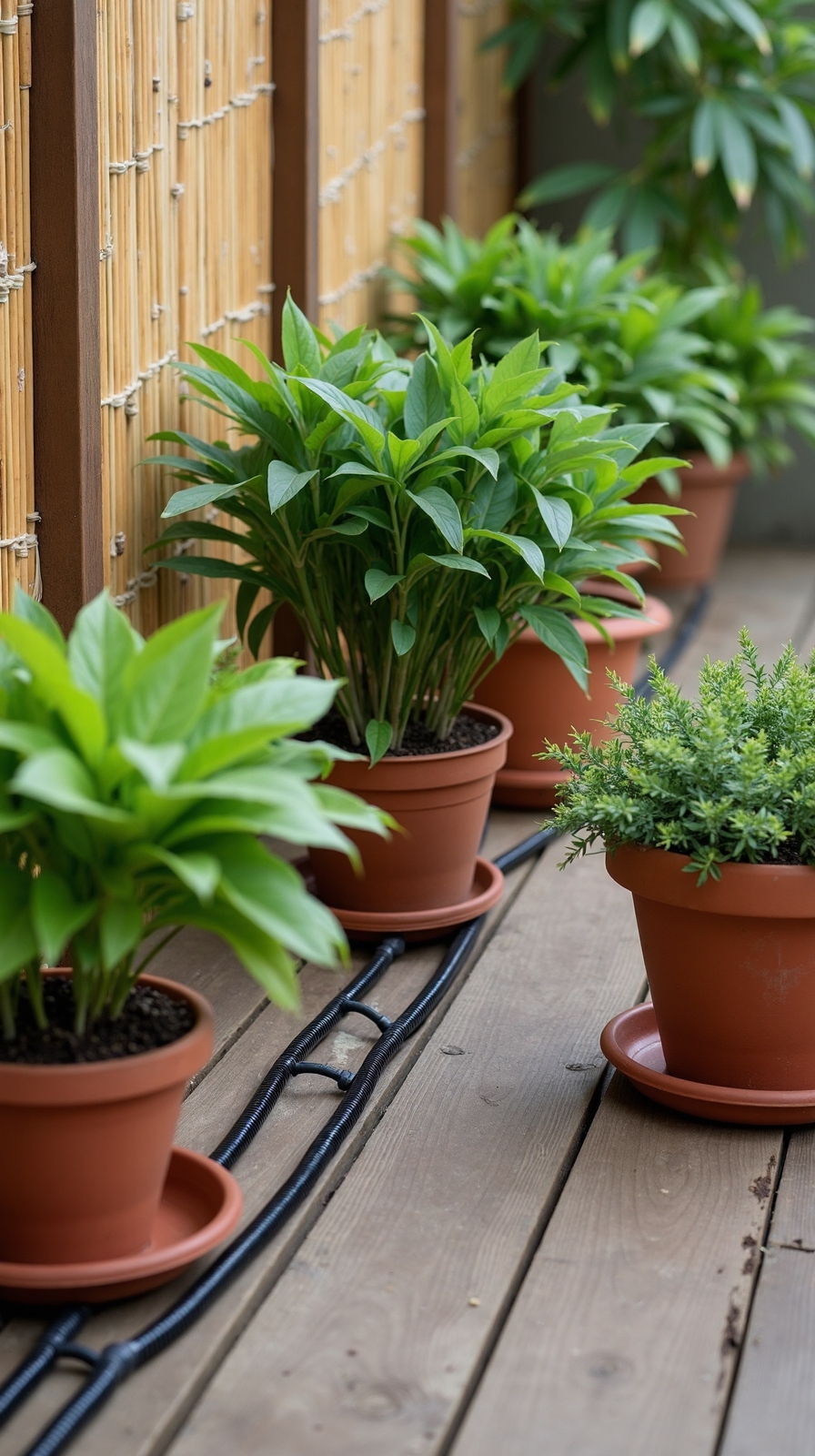
After establishing sustainable furniture for your patio, you’ll want to confirm your plants and garden areas receive water efficiently without waste. Drip irrigation systems deliver targeted watering directly to plant roots, reducing water consumption by up to 50% compared to traditional sprinklers.
Install moisture sensors throughout your garden beds to monitor soil conditions and prevent overwatering. These sensors automatically adjust watering schedules based on actual plant needs rather than preset timers.
Create mulch pathways between irrigation zones to retain soil moisture and reduce evaporation. This combination maximizes water efficiency while maintaining healthy plants year-round.
Add Renewable Material Planters
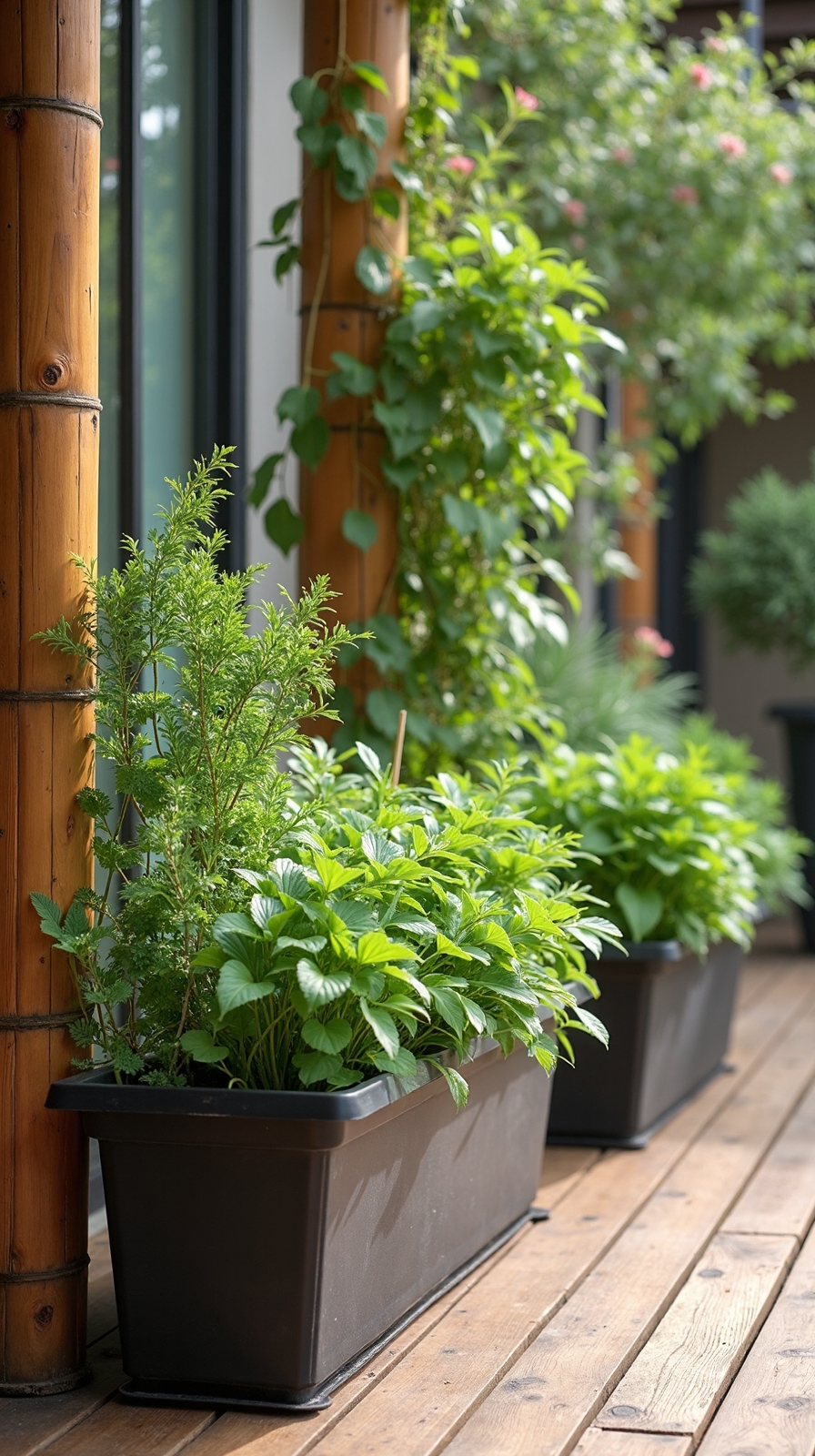
Once you’ve optimized your watering system, selecting planters made from renewable materials creates an environmentally responsible foundation for your green patio design. Choose bamboo vertical garden planters that maximize growing space while using fast-regenerating materials.
Cork containers offer excellent insulation and come from sustainably harvested tree bark that regrows naturally. Reclaimed wood planters give you rustic charm while reducing waste streams. Self watering containers made from recycled plastics combine sustainability with convenience, reducing your maintenance time.
These eco-conscious choices help you build a thriving outdoor space that aligns with your values and environmental goals.
Design With Drought-Resistant Ground Cover
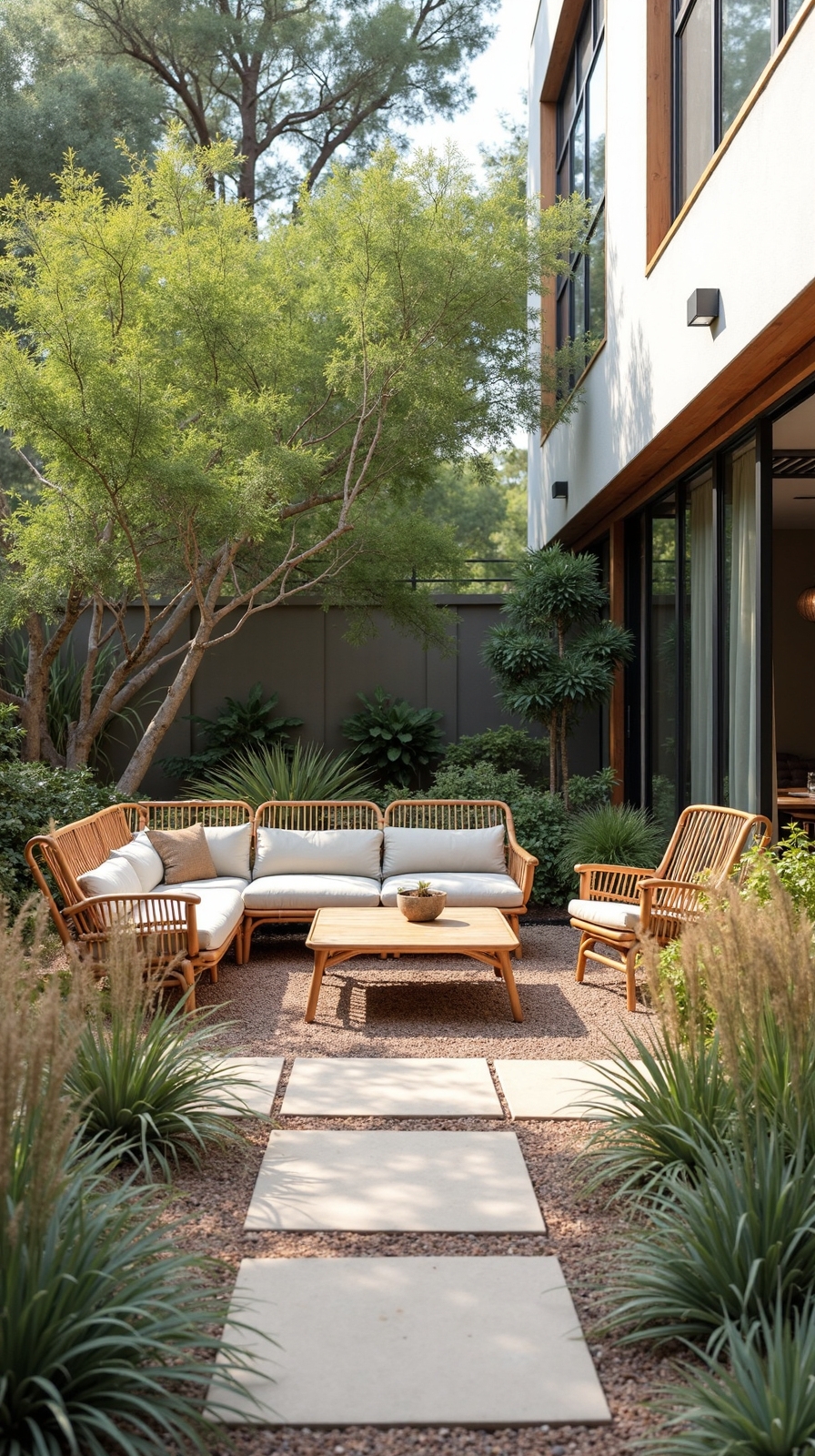
When you replace traditional grass with drought-resistant ground cover plants, you’ll dramatically reduce your patio’s water consumption while creating stunning visual appeal. Water wise groundcover options like creeping thyme, sedum, and moss create natural carpets that thrive without constant irrigation.
These low maintenance ground cover plants establish deep root systems that access moisture efficiently while preventing soil erosion around your patio edges. You’ll save money on water bills and eliminate weekly mowing chores.
Consider native species like wild strawberry or ajuga for shaded areas, while sunny spots benefit from Mediterranean herbs that release pleasant fragrances when walked upon.
Conclusion
You’ve now unearthed practical ways to metamorphose your outdoor space into an eco-friendly haven that benefits both your family and the environment. These sustainable patio ideas reduce your carbon footprint while creating a beautiful, functional living area. Start with one or two projects that fit your budget and gradually expand your green features. Your environmentally conscious choices will provide lasting value and encourage others to adopt sustainable outdoor living.