How To Decorate A Bedroom
Your bedroom should work for you, not against you. Whether you’re starting from scratch or revitalizing an outdated space, the right approach makes all the difference. You don’t need a designer’s budget or years of experience to get professional results. You just need a clear plan and the right priorities. From choosing a color palette…
Your bedroom should work for you, not against you. Whether you’re starting from scratch or revitalizing an outdated space, the right approach makes all the difference. You don’t need a designer’s budget or years of experience to get professional results. You just need a clear plan and the right priorities. From choosing a color palette to arranging furniture like a pro, everything you need to renovate your bedroom is ahead.
Start With a Bedroom Style That Actually Fits Your Life
Before diving into paint colors or furniture shopping, you need to choose a bedroom style that genuinely matches how you live. Consider personal preferences first—do you crave minimalist calm, cozy warmth, or bold creative energy? Your bedroom should reflect your personality, not just a trending aesthetic. Next, establish functionality goals by identifying how you actually use the space. Do you work, read, or relax there? Once you know your lifestyle needs, selecting furniture, colors, and layouts becomes straightforward. You’re building a space that supports your freedom and daily rhythms, not just one that looks good in photos.
Pick a Color Palette You Won’t Get Tired Of
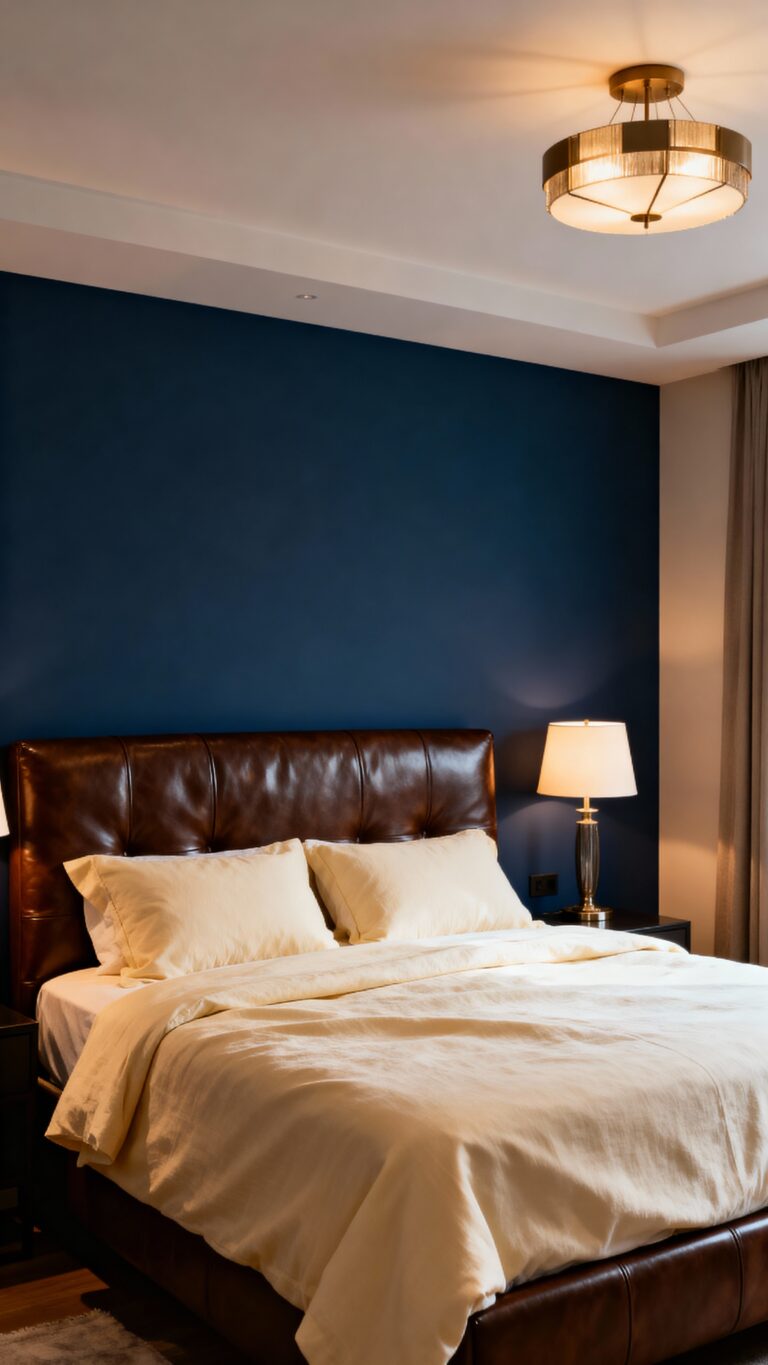
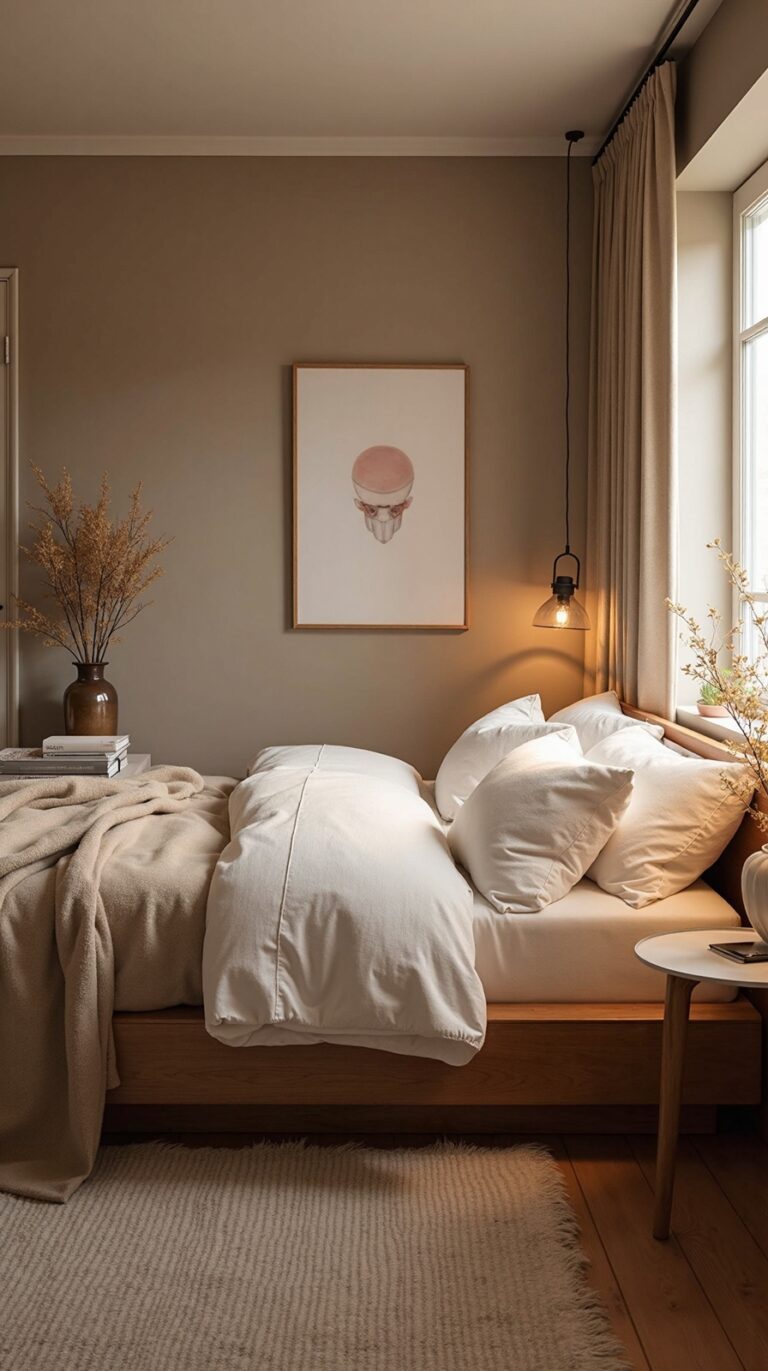
Choosing the right color palette sets the tone for your entire bedroom and keeps the space feeling fresh for years. Start with a timeless neutral palette—think warm whites, soft taupes, or gentle grays—as your foundation. These shades give you flexibility to swap out accents without repainting. Classic color combinations like navy and cream or sage green and white create balance without feeling trendy or dated. You’re not locked into one look forever. Layer in bold pillows, throws, or artwork to express your personality freely. Neutrals actually give you more creative freedom, not less.
Choose Bedroom Furniture That Works Hard and Looks Good
Once your color palette is locked in, it’s time to think about the furniture that will bring your bedroom together. Choose pieces that serve multiple functions, giving you freedom without clutter. A bed frame with built-in multi-purpose storage keeps essentials organized while saving precious floor space. Consider a stylish ottoman or bench that doubles as dual-purpose seating and hidden storage near your bed or window. You don’t need a massive room to live well—you just need smarter furniture choices. Prioritize quality over quantity, selecting pieces that are both practical and visually aligned with your overall color scheme.
Layer Your Lighting for Instant Atmosphere
Lighting can completely alter your bedroom’s mood, turning a flat, dull space into something warm and inviting. Don’t rely on one harsh overhead light to do everything. Instead, layer your lighting using three types:
- Ambient light – soft, diffused lighting from lamps or LED strips creates an overall warm glow.
- Task lighting – bedside lamps or reading lights let you function without lighting the entire room.
- Accent lighting – highlights artwork or designer features.
This approach gives you total control over your bedroom’s atmosphere, letting you adjust the mood whenever you want.
Use Textiles and Bedding to Add Warmth and Texture
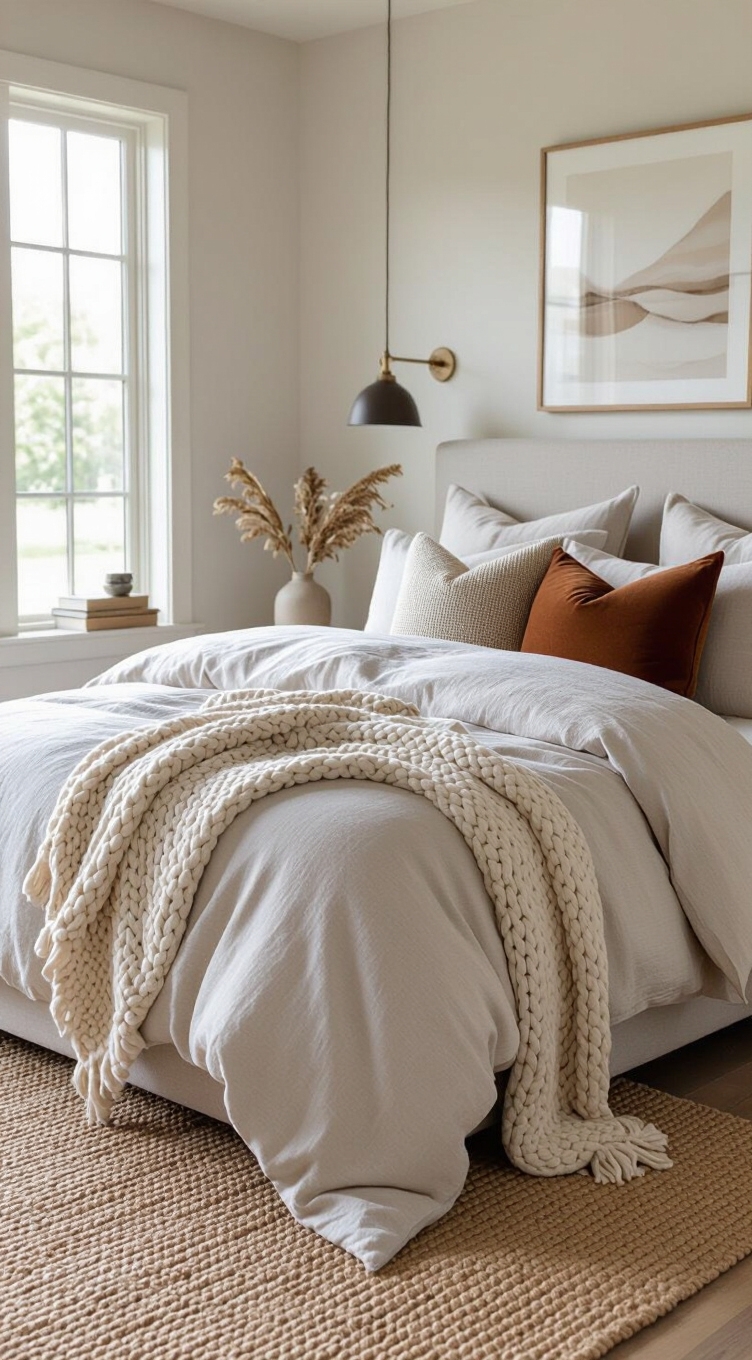
Nothing pulls a bedroom together quite like the right textiles and bedding. Layering textured fabrics and incorporating soft draperies lets you express your personal style freely.
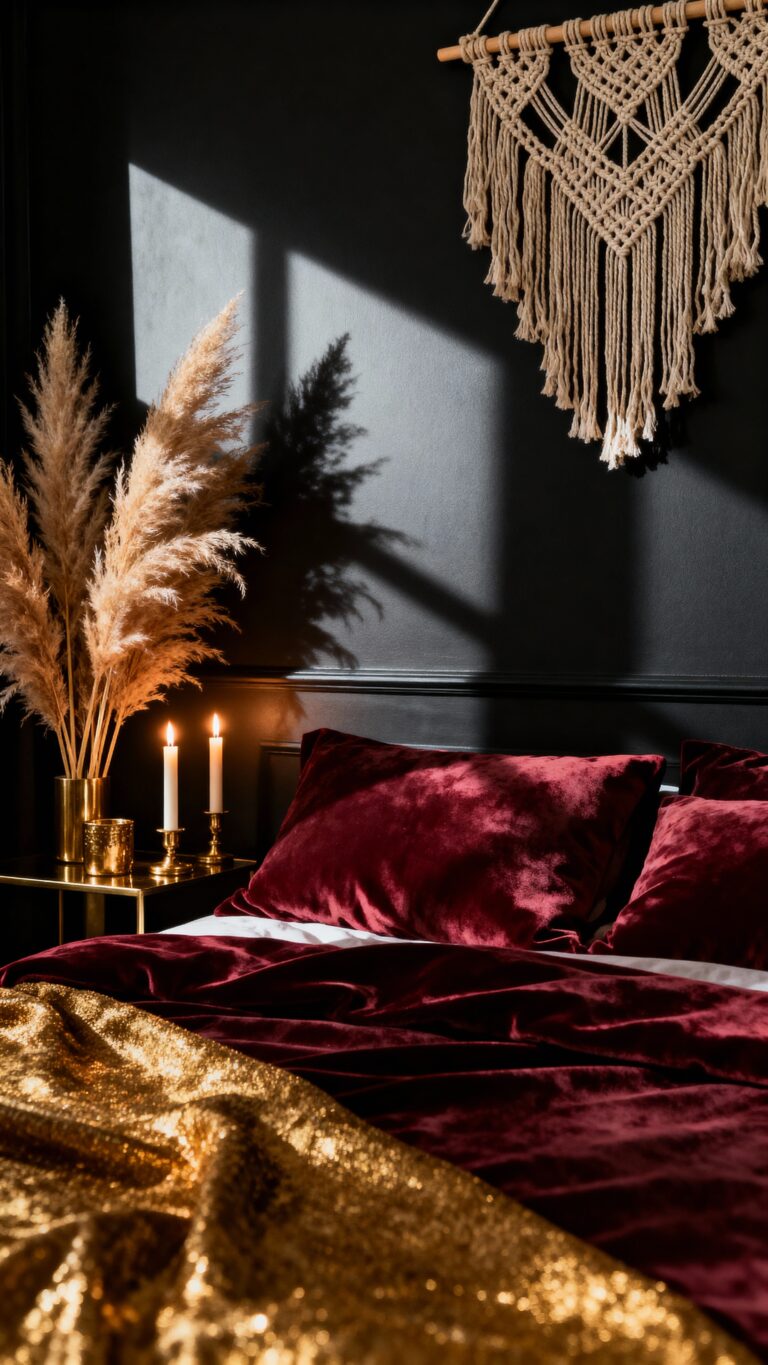
- Mix textures: Combine linen, velvet, and chunky knit throws for depth.
- Layer bedding: Stack a duvet, quilt, and decorative pillows intentionally.
- Add draperies: Choose floor-length curtains that soften harsh walls beautifully.
- Use rugs: Place a plush rug underfoot to anchor your space warmly.
Each textile choice adds personality without permanently committing you to one look. You can swap pieces seasonally, keeping your bedroom feeling fresh and uniquely yours.
Arrange Your Bedroom Furniture Like a Designer Would
Pulling off a well-arranged bedroom starts with understanding how furniture placement affects flow, balance, and function. Position your bed as the anchor, typically centered on the longest wall, giving you freedom to move around easily. Don’t fear balance asymmetry — pairing a nightstand with a floor lamp instead of matching pieces creates visual interest. Employ negative space intentionally by leaving breathing room between furniture pieces rather than cramming everything together. Keep pathways clear, aiming for at least 24 inches between major pieces. This approach lets your room feel open, intentional, and uniquely yours.
Decorate Your Walls Without Making the Room Feel Cluttered
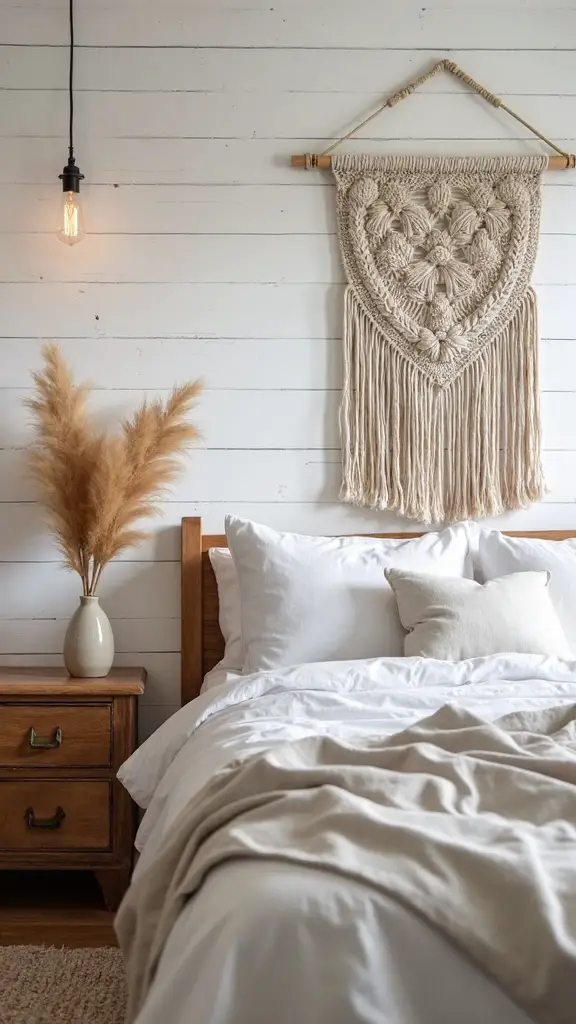
Once your furniture’s in place, your walls become the next big opportunity to shape your room’s personality. Smart accent wall placement and minimalist wall decor give you expressive freedom without overwhelming the space.
- Choose one focal wall behind your bed for your accent wall placement.
- Limit yourself to three to five pieces maximum using minimalist wall decor principles.
- Group smaller items together to create one intentional visual statement.
- Leave breathing room between pieces so walls feel open, not crowded.
Your walls should feel curated, not chaotic. Less truly delivers more impact here.
Finish the Look With Small Details That Tie Everything Together
The smallest details in a bedroom often create the biggest visual impact, tying your entire design together. Choose accent pieces like throw pillows, candles, or small plants that echo your room’s color palette. These finishing touches don’t need to be expensive to look intentional. Add personalized touches that reflect your personality, such as framed photos, meaningful artwork, or a favorite book on your nightstand. Keep surfaces clean and avoid overcrowding them with too many objects. Select two or three meaningful items per surface. This approach creates a curated, cohesive look that feels uniquely yours without overwhelming the space.
Conclusion
Decorating your bedroom like a pro doesn’t require a massive budget or design degree. You just need a clear plan, smart choices, and attention to detail. Start with your style, build a solid color palette, and choose furniture that works hard for you. Layer in lighting, textiles, and personal touches to complete the look. Follow these steps, and you’ll create a bedroom that’s both beautiful and completely functional.