12 Small Open Plan Kitchen Dining Living Ideas That Flow Beautifully
Kitchen-dining-living spaces can flow beautifully in small homes with these 12 clever design tricks that maximize every square inch.

You’re looking at your cramped open-plan space and wondering how to make it work without feeling chaotic or cluttered. The key lies in creating intentional zones that flow together seamlessly while maintaining their distinct purposes. Smart design choices can alter even the smallest kitchen-dining-living combination into a functional, beautiful space that feels twice its actual size. Strategic planning and clever tricks will help you achieve that perfect balance.
Use Smart Room Dividers to Define Separate Zones
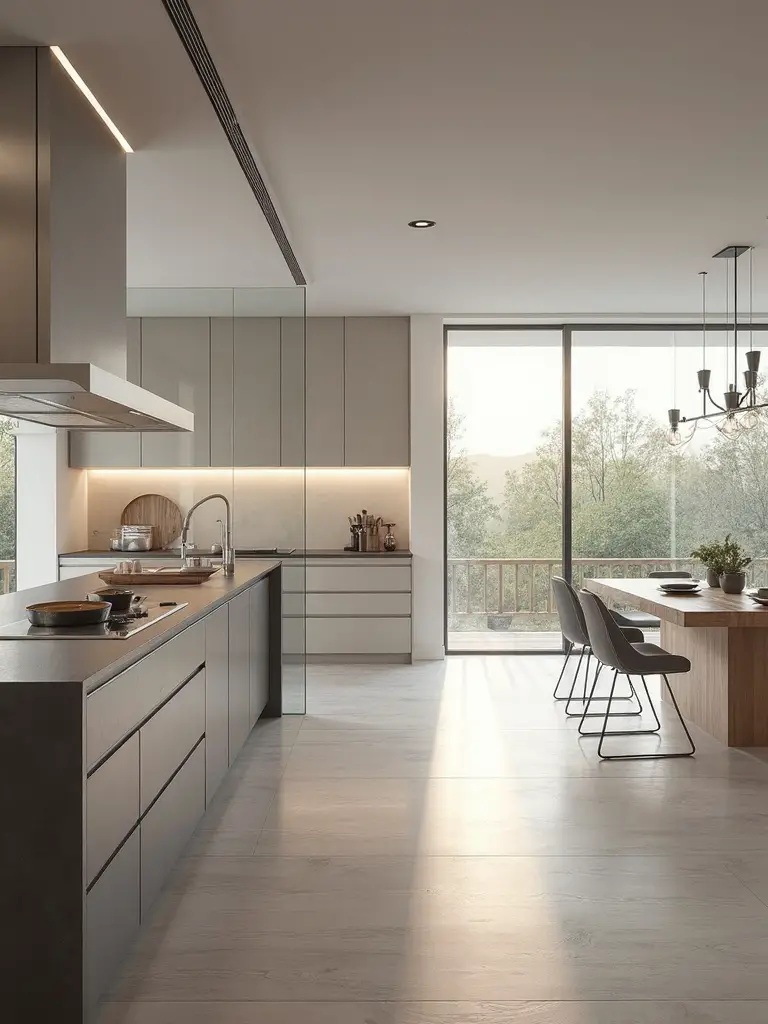
When you’re working with a small open-plan space, smart room dividers become your secret weapon for creating distinct zones without sacrificing the airy feel.
Your sofa acts as a natural divider between your living room and dining area, instantly establishing separate functions. Adding a coordinating rug beneath your dining table strengthens this division while maintaining visual flow.
You’ll want to use overlapping color schemes throughout your open kitchen living room space—perhaps carrying the same accent colors from your living area into your dining zone. This thoughtful approach creates distinct areas that feel connected and cohesive.
Maximize Natural Light With Strategic Furniture Placement
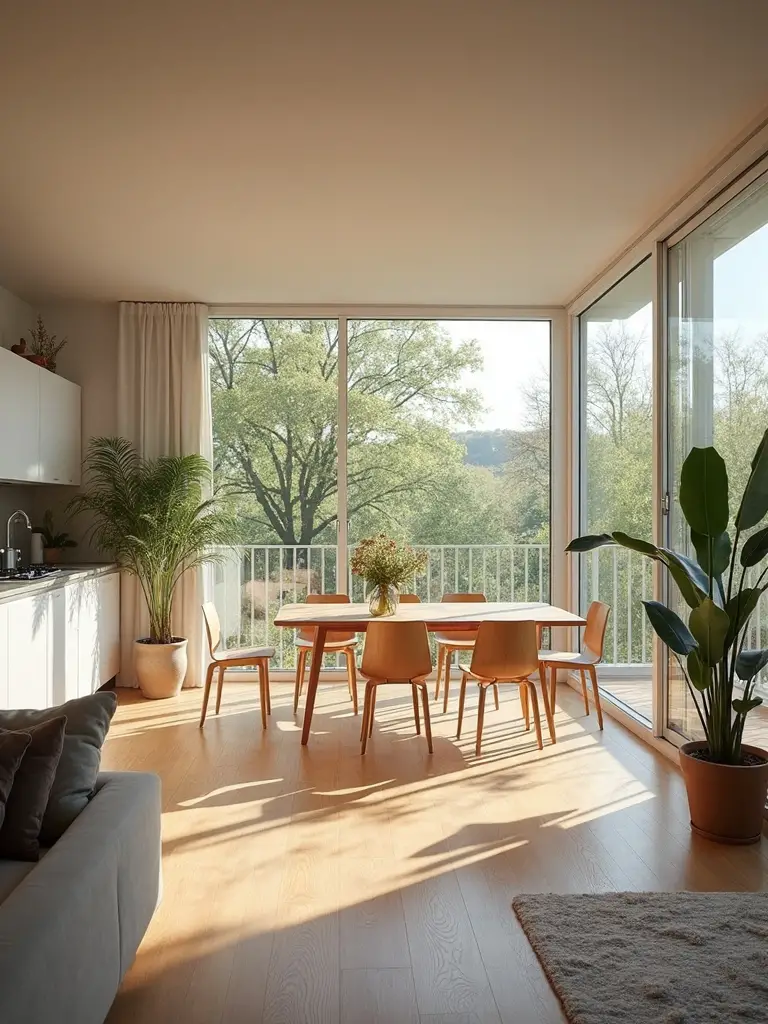
Beyond creating distinct zones, your furniture placement choices directly impact how natural light flows throughout your small open-plan space. Position low-profile furniture like sleek sofas to prevent blocking light pathways. Arrange seating to face large windows, maximizing brightness while enhancing your open floor plan’s airy atmosphere.
Place your dining table near windows or glass doors to flood the entire space with natural light. Choose light-colored area rugs over hardwood floors to reflect illumination upward. Avoid tall bookcases along walls that cast shadows and obstruct light distribution. These strategic furniture decisions reconfigure cramped spaces into bright, welcoming environments.
Create Visual Flow With Cohesive Color Schemes
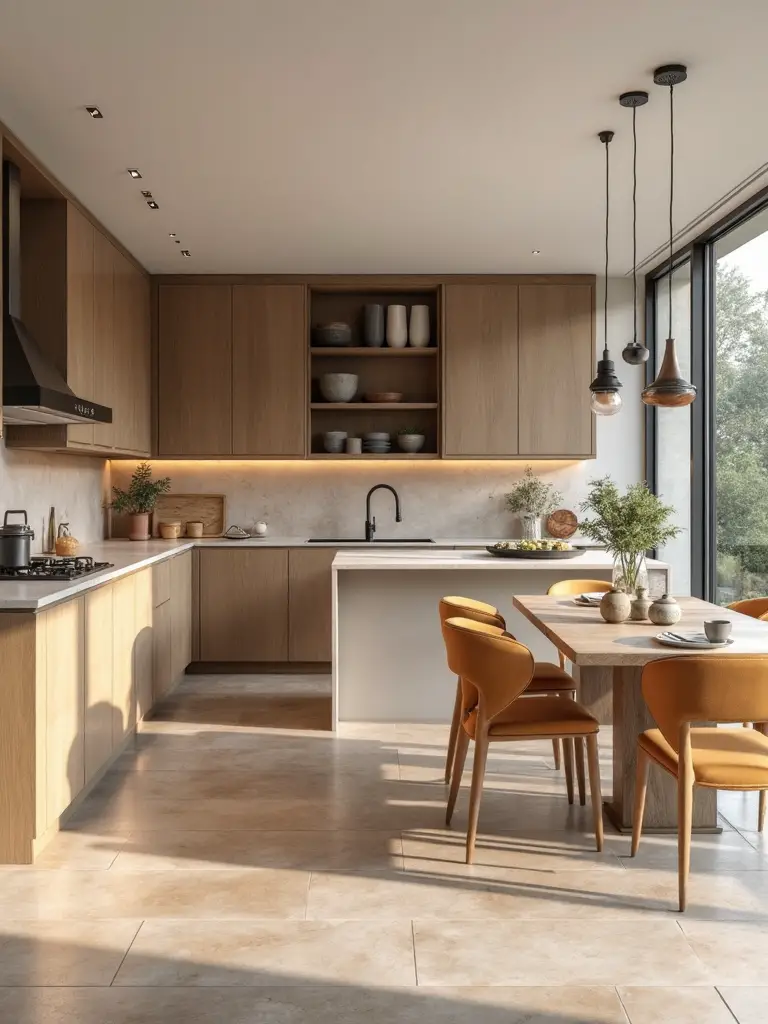
Since open-plan spaces lack physical walls to define each area, a cohesive color scheme becomes your most powerful tool for creating visual unity throughout your kitchen, dining, and living zones. Select three to four harmonious colors and distribute them strategically across your open space.
For example, pair neutral walls with warm wood cabinetry and matching dining furniture to maintain an open feel while connecting your kitchen and living space. Add varying shades through textiles, artwork, and accessories.
Consider extending your cohesive color palette to the uniform ceiling, which further enhances the seamless flow of your open living area.
Position Your Kitchen Island as a Central Hub
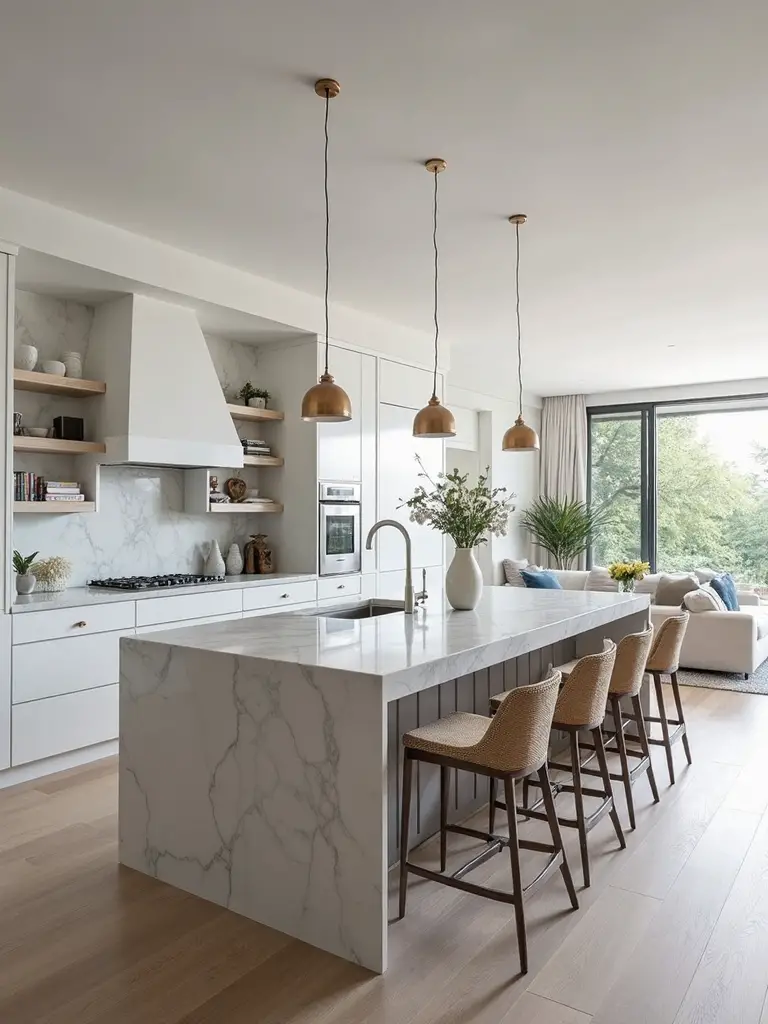
Your kitchen island evolves from a simple work surface into the beating heart of your open-plan space when positioned with intention and purpose. Place it strategically to bridge your kitchen and living area while maintaining clear pathways between zones.
Design one unified look using natural wood finishes that complement your dining area’s aesthetic. Add pendant light fixtures above to define the space and create warm ambiance throughout your open spaces.
Include bar seating on one side for casual dining and conversation. This central positioning metamorphoses your kitchen island into a multifunctional hub that seamlessly connects all areas.
Design Efficient Layouts for Narrow Spaces
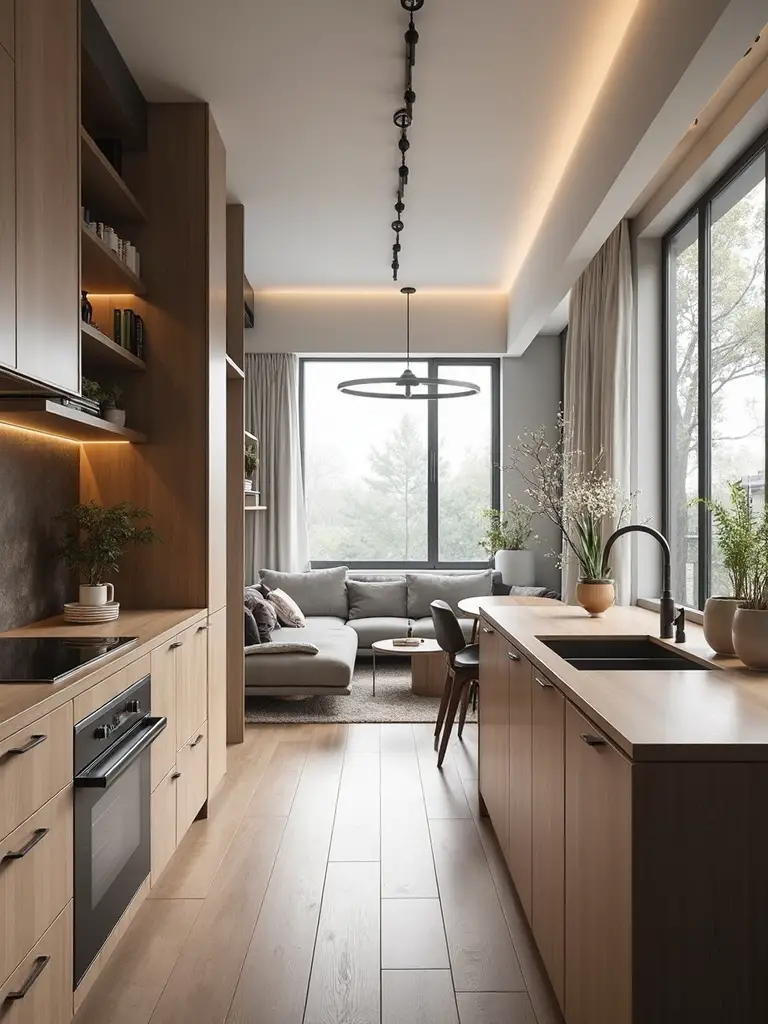
When dealing with narrow open-plan spaces, conventional wisdom suggests lining furniture against walls, but this approach actually creates awkward traffic patterns and wastes precious square footage. Instead, divide your space down the middle for an efficient layout that maximizes your small footprint.
Position seating around the island to create natural conversation zones while maintaining at least one meter for walkways. Define distinct areas using area rugs without blocking flow between zones. Incorporate artificial lighting and smart storage ideas to keep spaces without clutter feeling open.
Your small kitchen benefits from this strategic approach.
Incorporate Multi-Functional Furniture Pieces
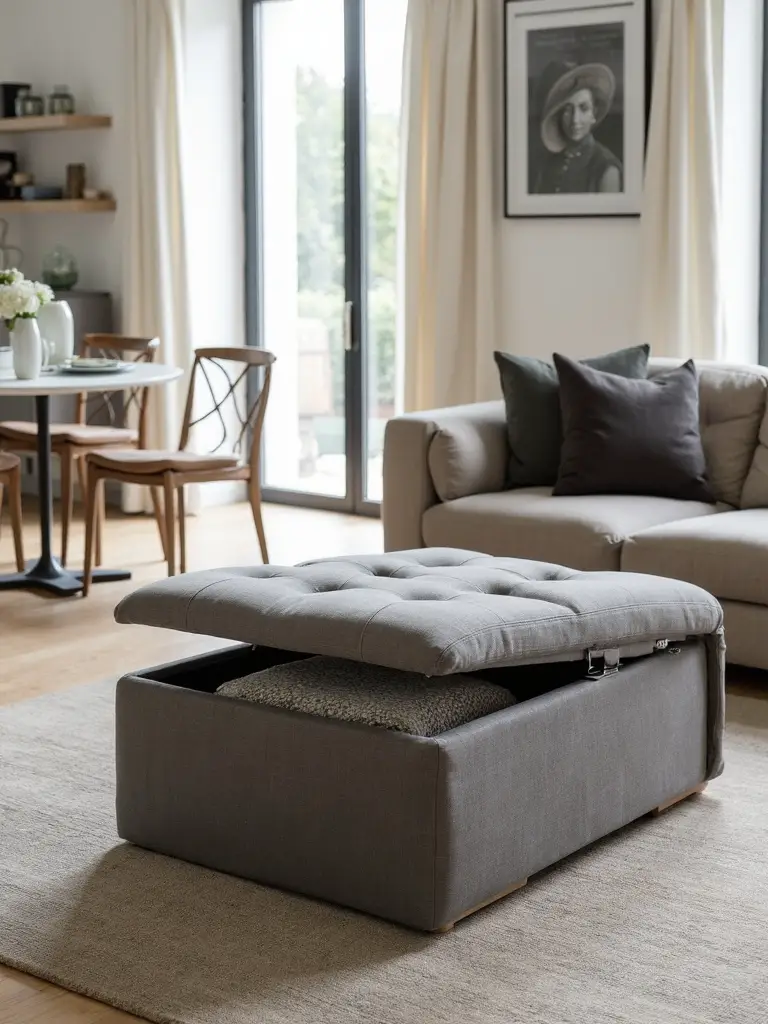
Building on efficient layout principles, the furniture you choose becomes equally important for maximizing every square inch of your open-plan space. Select an island that doubles as a dining table or kitchen counter workspace to define zones without walls.
Choose ottomans with hidden storage and nesting coffee tables to preserve precious floor space. Open shelves on modular units display décor while providing practical storage.
L-shaped kitchen designs pair beautifully with convertible furniture and accessories that adapt to changing needs. Consider Murphy beds and rolling carts that reconfigure easily, following successful Kitchen Ideas from firms like Sands Design.
Add a Semi Open Plan With Decorative Archways
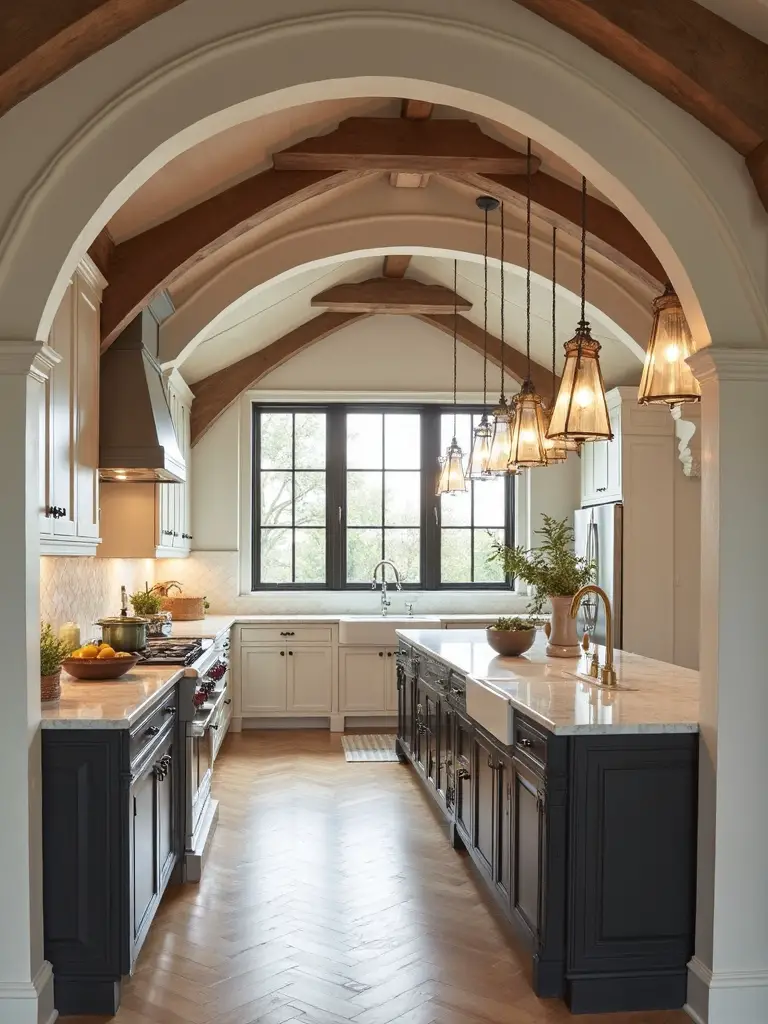
Although complete openness maximizes flow, decorative archways offer a sophisticated compromise that creates definition without sacrificing connectivity between your kitchen, dining, and living areas. You’ll frame two spaces beautifully while maintaining visual connection throughout your home.
Consider incorporating wood beams within archway designs to add natural warmth and designer interest. Large archways work exceptionally well between your dining room and adjacent zones, creating distinct boundaries without walls. Enhance the effect with right lighting fixtures positioned strategically above each archway.
This approach brings spaces together cohesively, especially when styled with black and white color schemes and matching decorative accents.
Use Your Dining Table as a Natural Room Divider
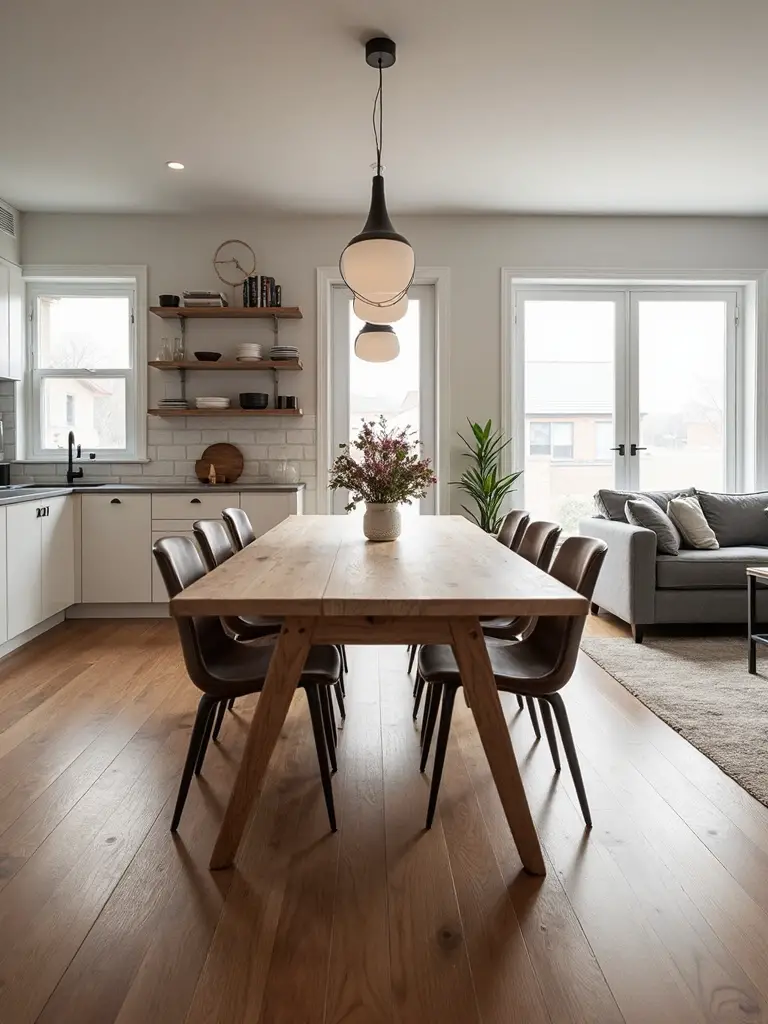
Your dining table becomes a powerful design tool that naturally divides your open-plan space while preserving the seamless flow you’ve worked to create. Position a long, narrow table between your kitchen and living room to establish distinct zones without walls. This strategic placement keeps spaces light and airy while defining separate functions on each side.
Choose a table large enough to anchor the division but proportional to your room. Consider matching the table’s color to other elements that tie the areas together visually, creating cohesion between your adjacent living areas.
Try a Sunken Living Area for Cozy Definition
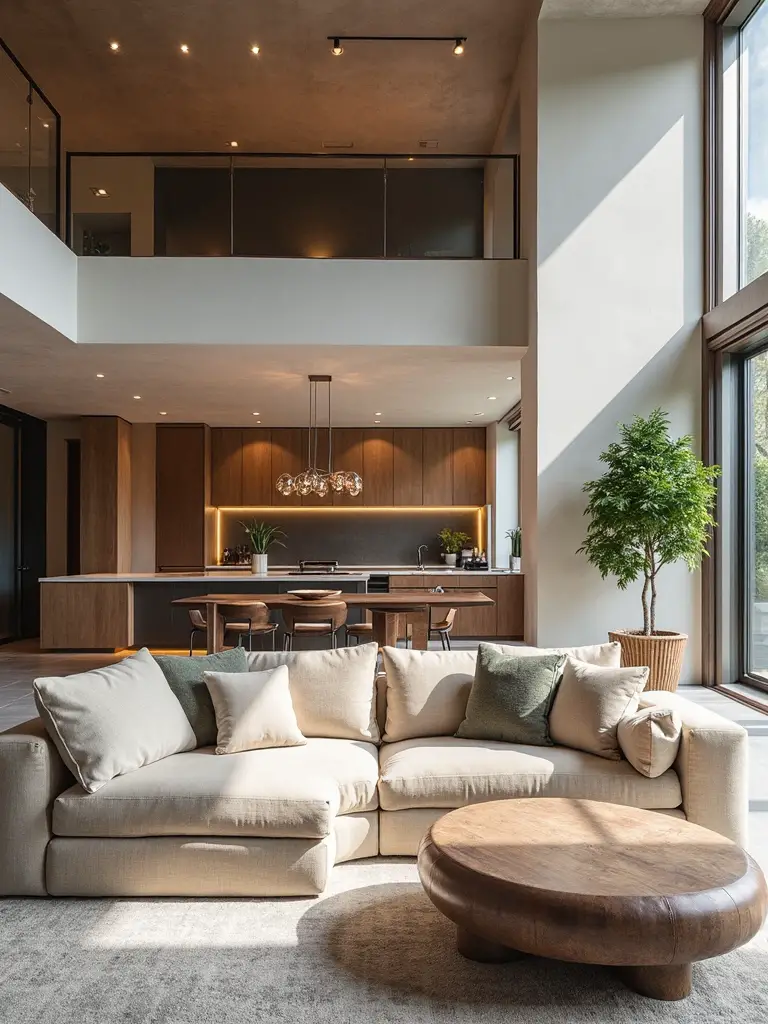
The sunken living area brings back a beloved retro design element that creates an intimate conversation space within your open-plan layout. This 1950s-inspired design style drops your seating area below the main floor level, instantly making the room feels more defined without feeling closed off.
Line the sunken floor with plush rugs to establish clear boundaries between living areas. White paint on surrounding walls maintains visual flow while the level change provides natural separation.
This Small Open plan solution works particularly well in maximalist homes, creating a cozy space feel that encourages gathering without feeling disconnected.
Fill Extra Large Spaces With Functional Pockets
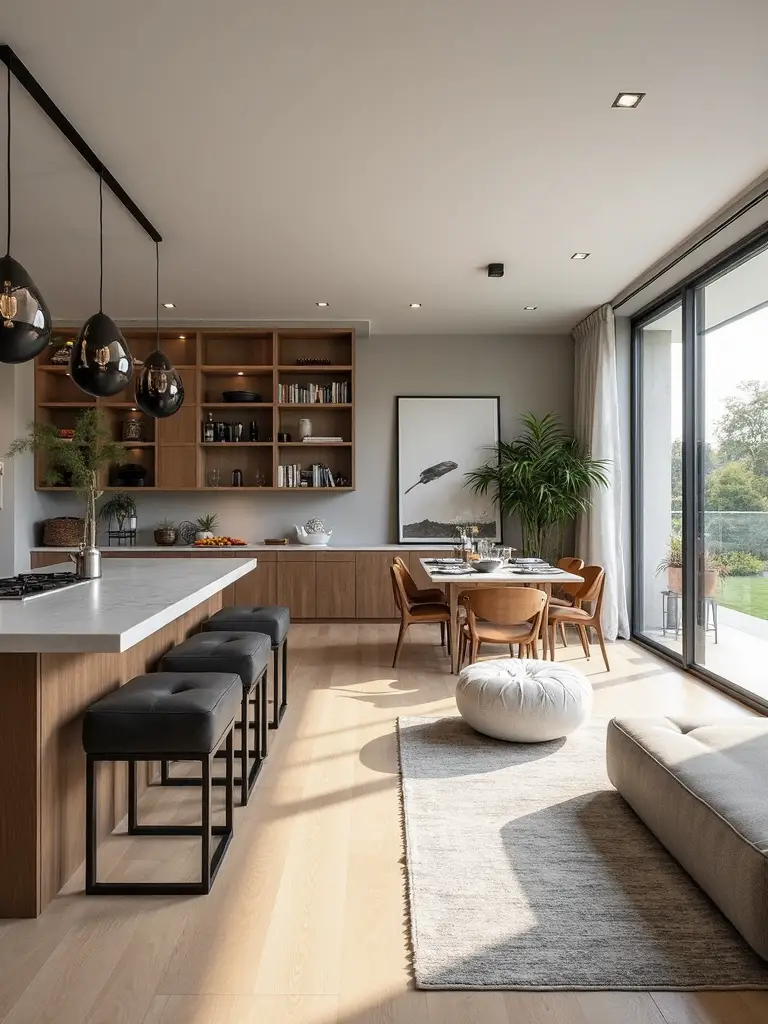
Extra-large open-plan spaces often feel overwhelming and impersonal when left as vast, undefined areas. You’ll want to create visual boundaries using functional elements that make the space feel intentional.
Built-in shelves with integrated archways can tie the room together while defining separate zones. Position your dining chairs around a strategically placed long table to divide kitchen and living areas.
Pick a color scheme that unifies all zones, and add ceiling beams for designer interest. Create an island with counter space for casual seating, plus window seats and conversation areas to establish cozy functional pockets.
Design a Sociable Kitchen for Easy Entertaining
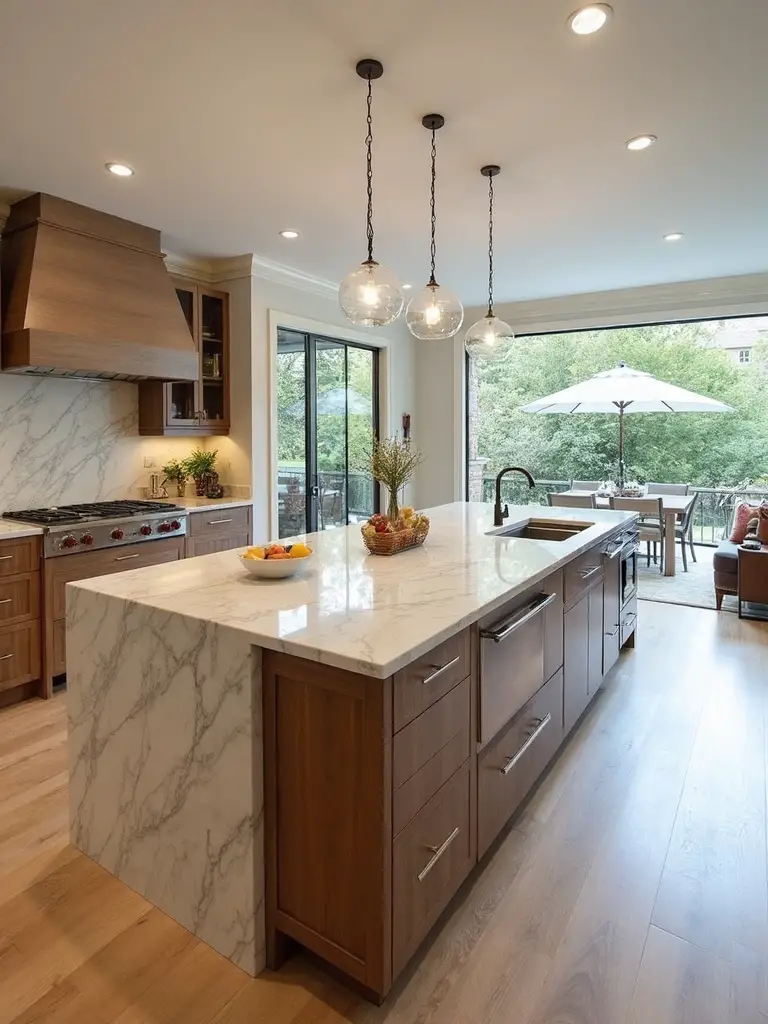
When entertaining becomes a priority, positioning your kitchen as the heart of your open-plan space converts ordinary gatherings into memorable social experiences.
Your island seating accommodates up to seven guests, creating natural conversation hubs throughout the space. Place sofas at right angles to encourage interaction between cooking and lounging areas.
Choose a cohesive color palette with clean lines to make your Large Open layout visually appealing. Strategic furniture placement enables smooth flow between zones while maintaining that modern open feel.
The right paint color unifies all areas, helping your space look connected and inviting for effortless entertaining.
Choose Scaled Furniture That Enhances Flow
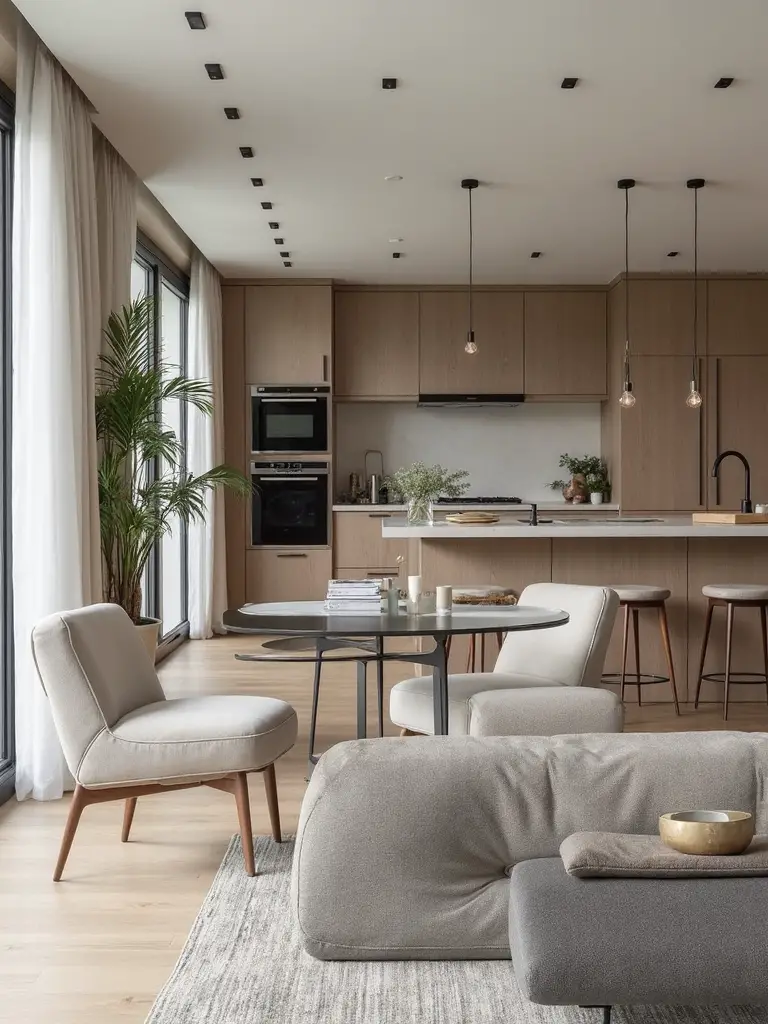
Properly scaled furniture alters your small open-plan space from cramped quarters into a flowing, functional environment that feels surprisingly spacious. Select low-profile pieces that won’t fill the space or make it feel overwhelming.
Floating desks and wall-mounted shelves connect the kitchen to living areas while maintaining visual continuity. Choose multifunctional ottomans with extra storage to add interest without bulk.
Right-sized area rugs help define zones and make it feel like one cohesive space rather than cramped separate areas. This thoughtful approach, part of the Dotdash design philosophy, guarantees your open layout feels harmonious and uncluttered throughout.
Conclusion
You’ve got the tools to convert your compact space into a beautifully flowing open-plan haven. Smart furniture placement, cohesive color schemes, and strategic zoning will maximize every square foot while maintaining visual connection between areas. Start with one key element like an island or room divider, then build your design around it. Your small space can feel spacious and functional with these thoughtful planning techniques.