16 Urban Terrace Garden Ideas for Urban Outdoor Living
Grow your perfect urban oasis with 16 clever terrace garden ideas that transform tiny concrete spaces into thriving green retreats.
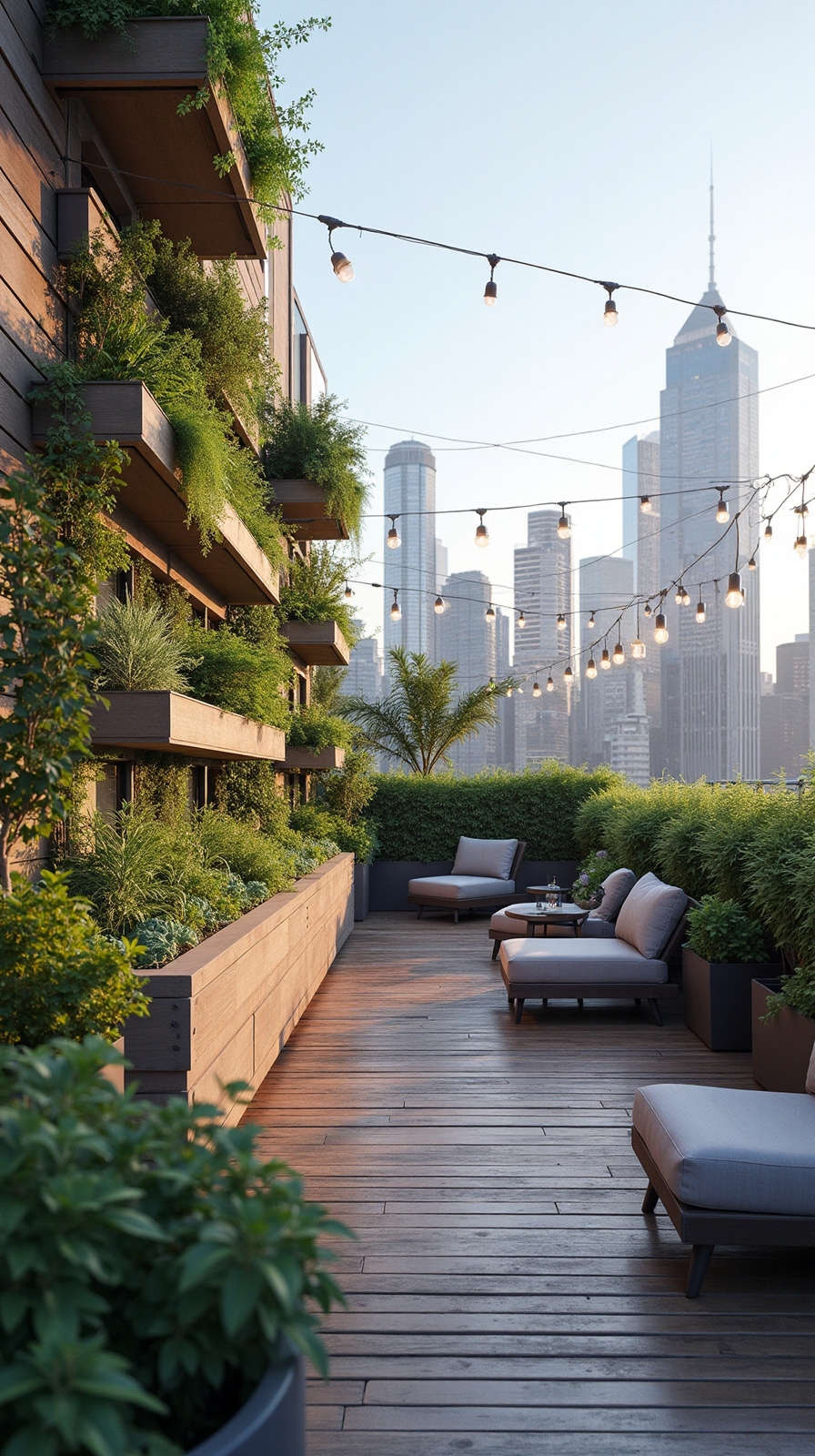
You’re looking at your small urban terrace and wondering how to alter that concrete space into a thriving garden oasis. Whether you’re dealing with limited square footage, challenging wind conditions, or rental restrictions, smart design choices can maximize every inch of your outdoor area. From vertical growing systems that climb your walls to strategic plant placement that creates natural privacy screens, these practical solutions will help you cultivate a productive garden that works within your urban constraints and lifestyle needs.
Vertical Wall Gardens and Living Walls
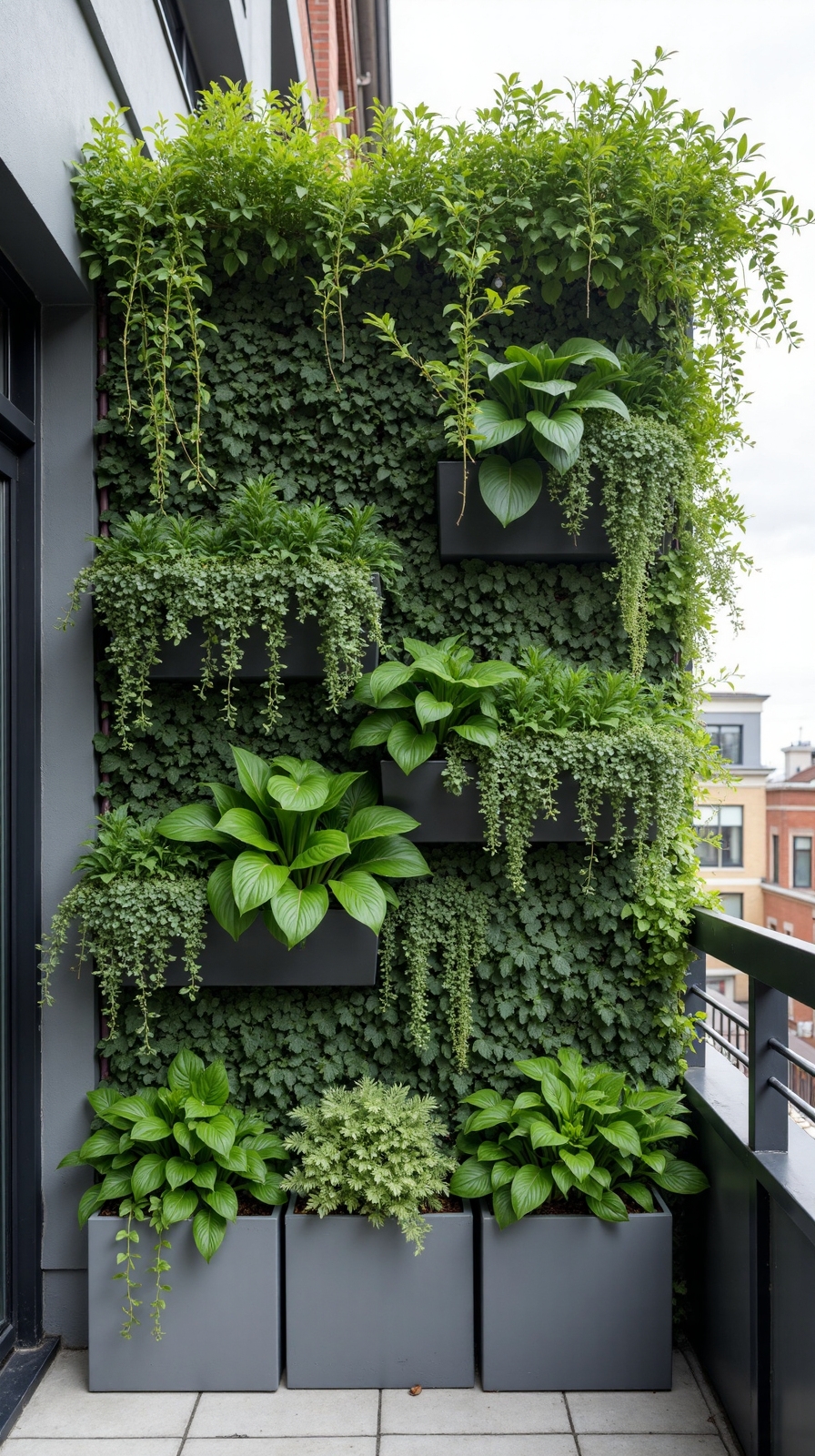
Countless urban dwellers are altering their small outdoor spaces by taking advantage of vertical surfaces that often go unused. You’ll uncover that vertical wall gardens maximize your growing potential without consuming precious floor space.
Install trellis systems along fence lines or building walls to support climbing vegetables like beans, peas, and cucumbers. Consider modular vertical planting structures that stack multiple growing levels, creating living walls filled with herbs, lettuce, and strawberries. These systems typically feature built-in irrigation and drainage, making maintenance straightforward.
You can convert bare walls into productive green spaces that provide fresh food while enhancing your terrace’s visual appeal. When planning your compact spaces garden, remember that even the smallest patio can accommodate multiple vertical growing solutions for maximum food production.
Container Gardening With Style and Function
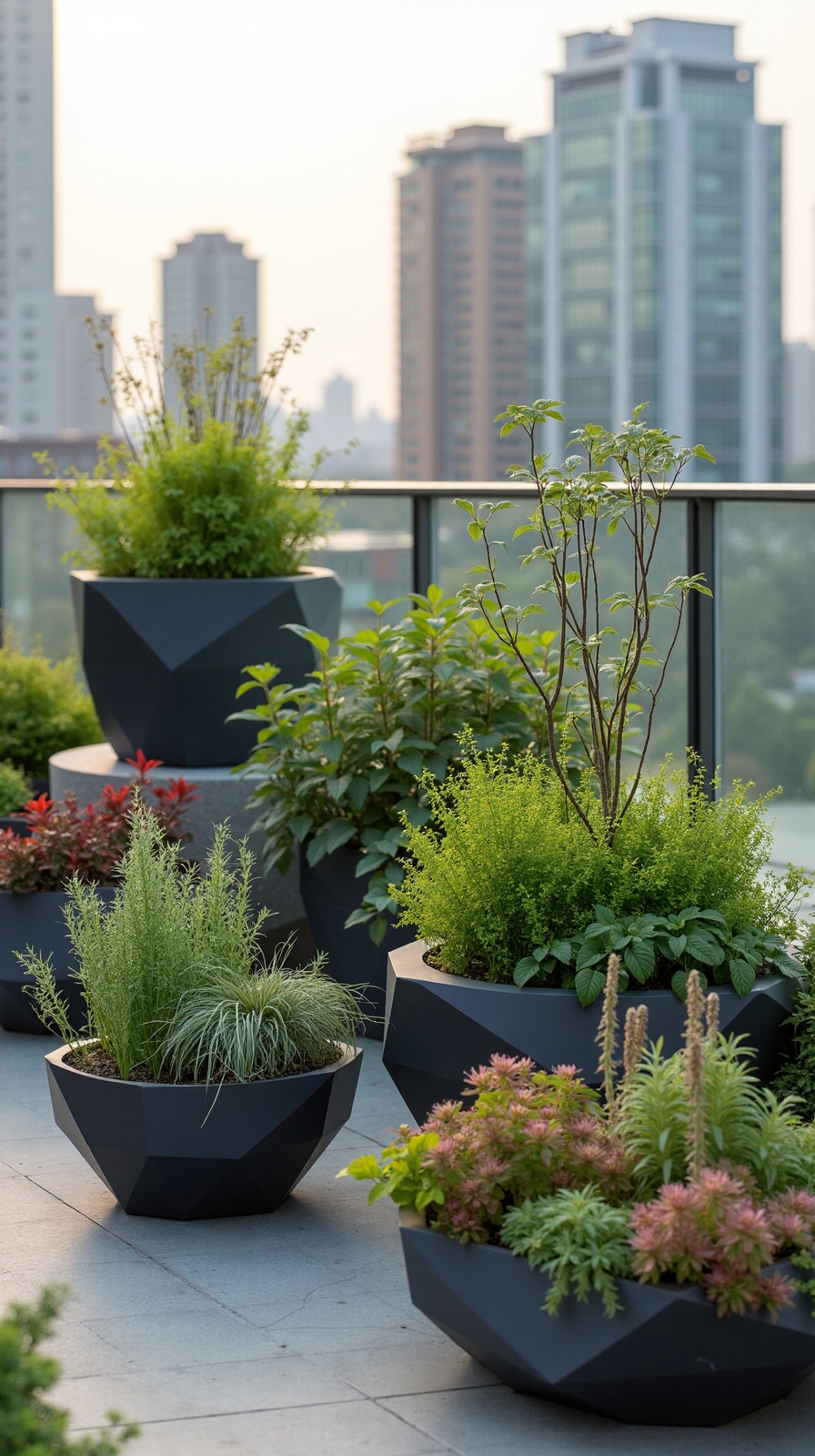
When you select the right containers for your urban terrace, you’re combining practical growing solutions with aesthetic design elements that transform your space. Choose raised planter beds that maximize your growing area while creating natural boundaries throughout your outdoor retreat.
Mix materials like weathered wood, sleek metal, and textured ceramic to establish visual depth and character. Position larger containers as focal points, then layer smaller pots around them for varied arrangements. Even the smallest apartment patio can support a thriving container garden with the right planning and plant selection.
Integrate compact seating options directly into your container design—sturdy planters double as benches when you cap them with cushioned tops, giving you flexible functionality.
Multi-Level Plant Stands and Tiered Displays
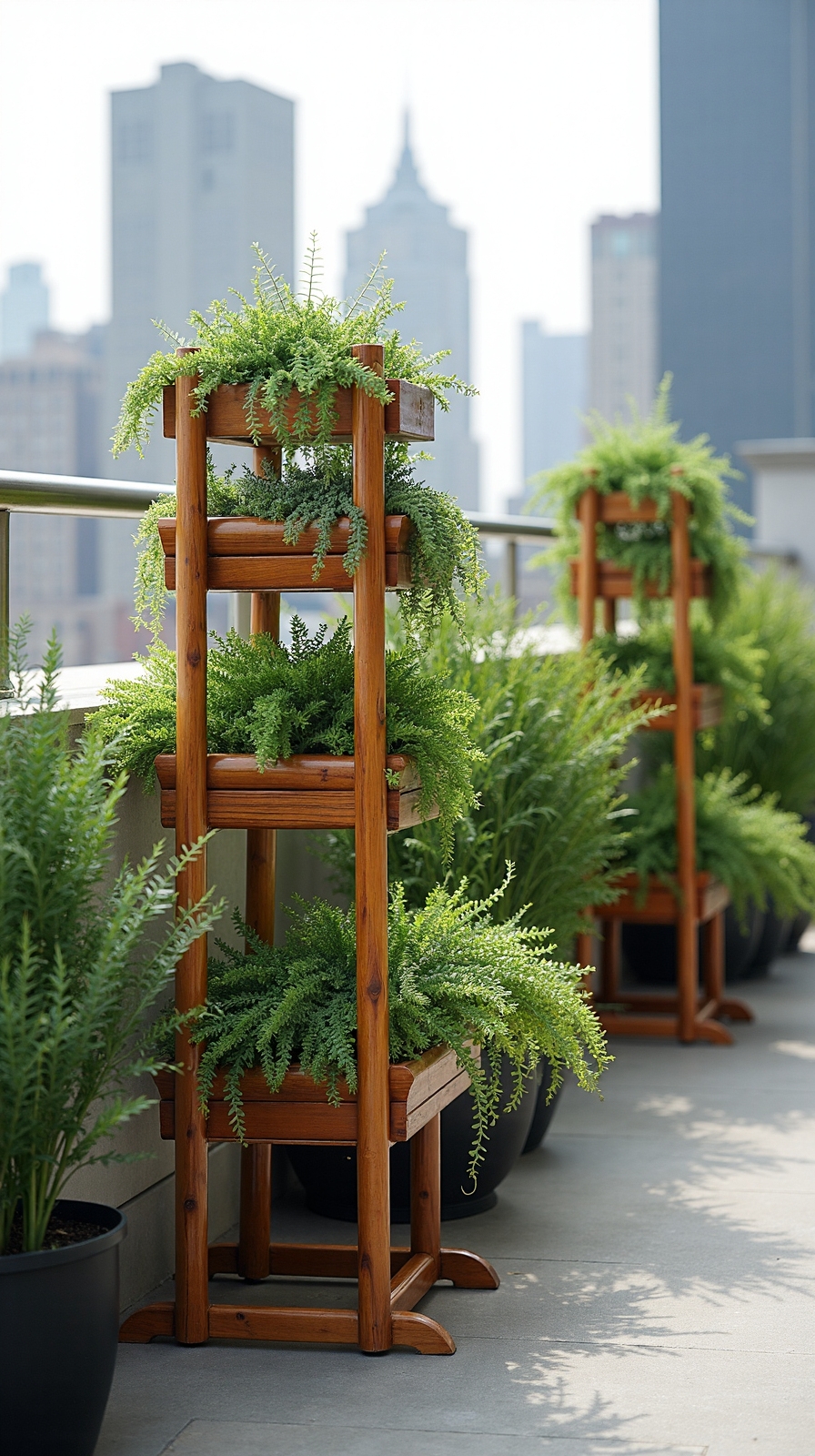
Vertical gardening reconfigures limited terrace space into lush, productive growing areas through strategic use of multi-level plant stands and tiered display systems. You’ll maximize your growing potential by choosing self watering plant stands that eliminate daily maintenance while keeping plants healthy.
Space saving display units create dramatic visual impact by arranging plants at varying heights, from ground-level herbs to eye-level flowering specimens.
Build your own tiered displays using repurposed materials like wooden crates or metal shelving. Position sun-loving plants on upper levels and shade-tolerant varieties below. These same principles work beautifully for front-yard patios where vertical elements maximize outdoor living potential in compact spaces. This approach metamorphoses cramped terraces into abundant gardens that reflect your independent spirit.
Compact Herb Gardens for Fresh Cooking
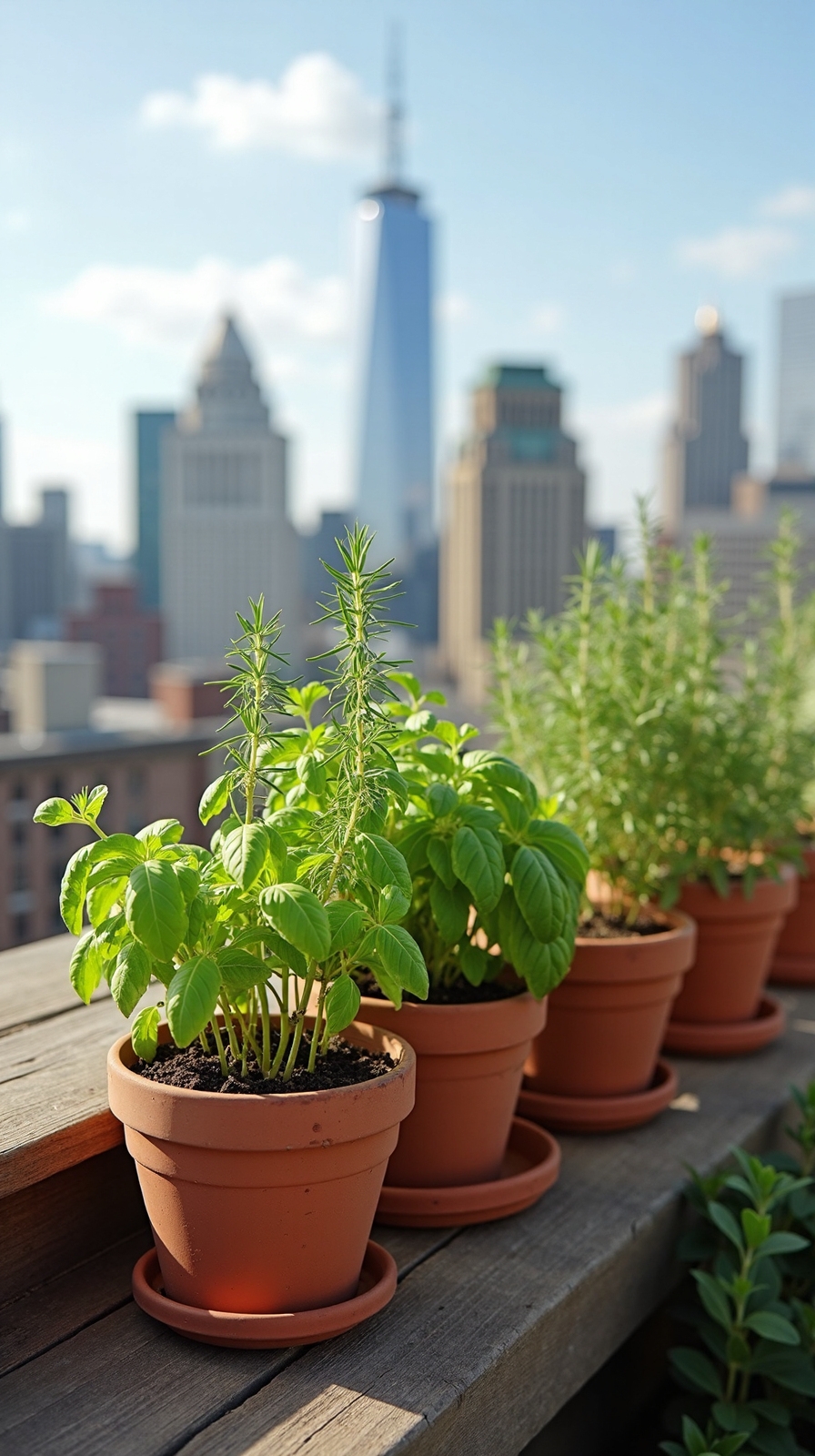
Fresh herbs renew ordinary meals into culinary creations, and your terrace’s multi-level setup provides the perfect foundation for a thriving herb garden. You’ll maximize efficient space utilization by grouping herbs according to their water and sunlight needs. Position sun-loving basil and oregano on upper tiers, while shade-tolerant parsley and chives thrive below.
Compact planter layouts work brilliantly with rectangular containers measuring 18-24 inches long. You can grow multiple herbs in one planter by spacing them appropriately. Choose fast-growing varieties like cilantro, mint, and thyme for quick harvests. This arrangement keeps your favorite cooking ingredients within arm’s reach year-round. Consider incorporating pea gravel around your herb containers to create defined pathways and add textural interest to your terrace design.
Privacy Screening With Strategic Plant Placement
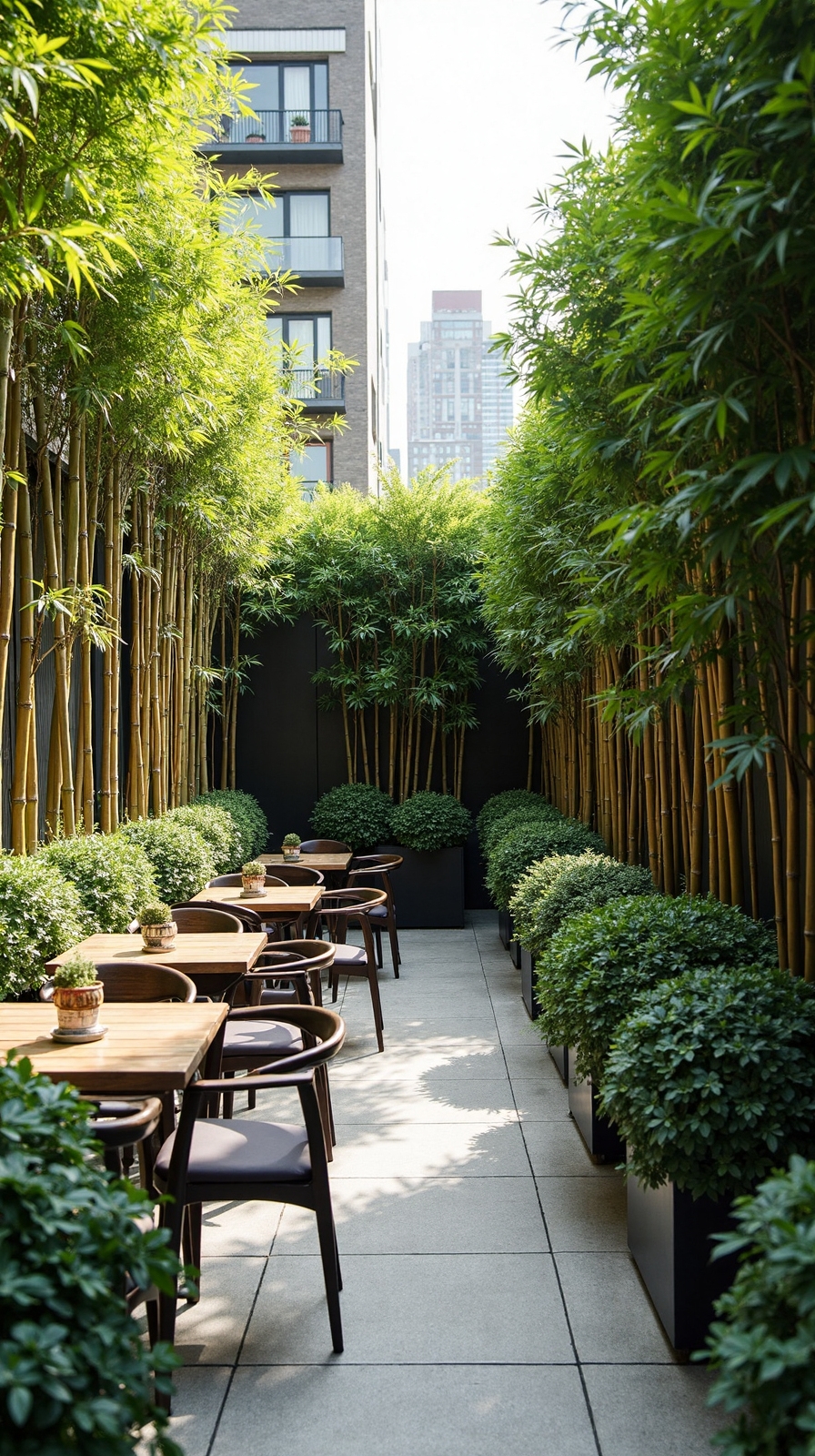
Since urban terraces often lack natural privacy barriers, you’ll need to create your own green screens using carefully positioned plants. Compact shrub varieties like boxwood, privet, and dwarf bamboo work perfectly for establishing boundaries without overwhelming your space. Place taller specimens along property lines, then add medium-height plants in front for layered foliage textures that block sightlines effectively.
Consider fast-growing options like jasmine or climbing ivy on trellises for vertical screening. Evergreen varieties maintain year-round coverage, giving you consistent privacy. For additional definition and structure, incorporate patio fencing elements alongside your plant barriers to create clearly delineated outdoor zones. Stagger your plantings at different heights to create natural-looking barriers that don’t feel restrictive while maximizing your outdoor freedom.
Space-Saving Hanging Gardens and Suspended Planters
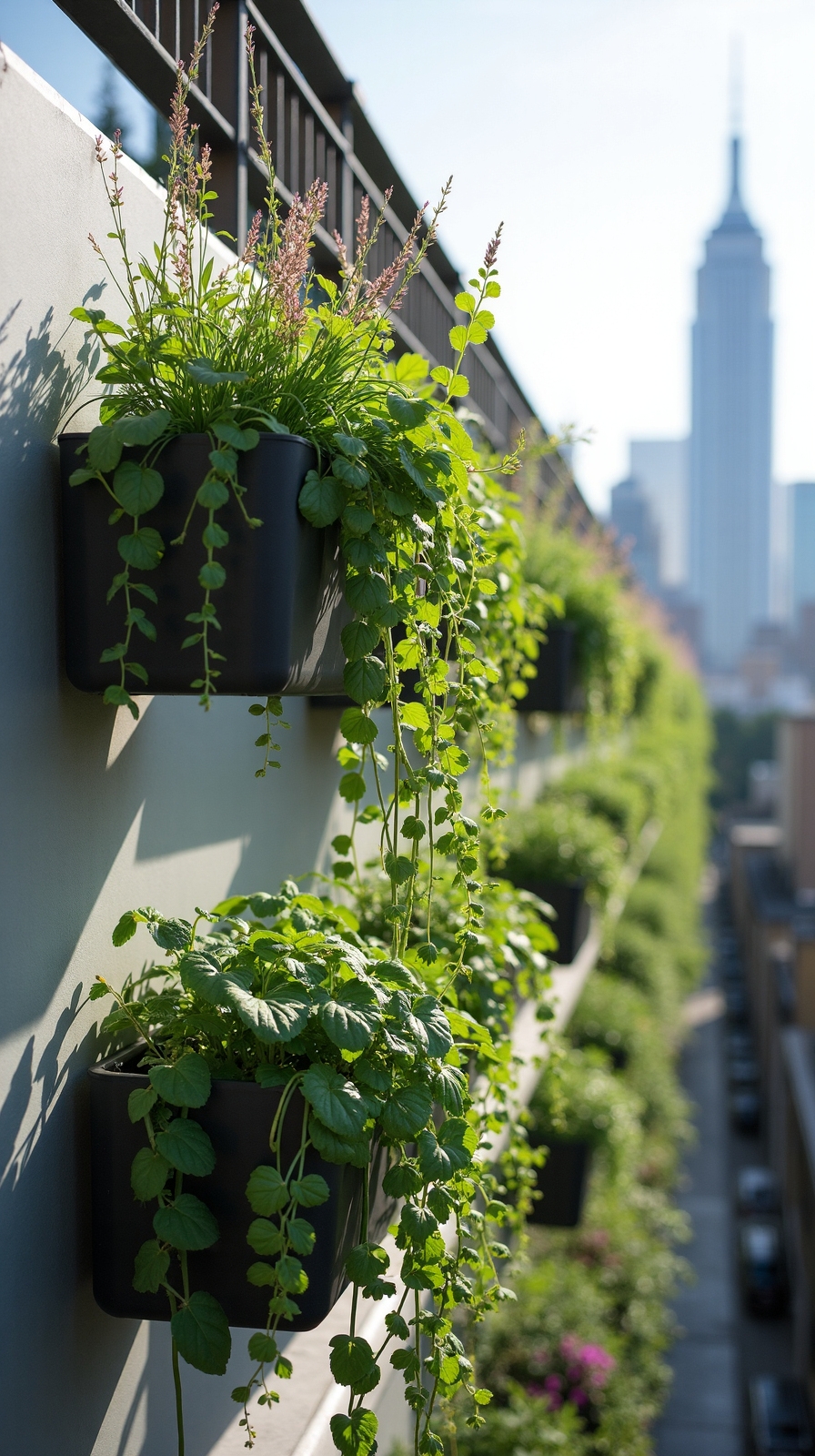
While ground-level plantings establish your terrace’s foundation, maximizing overhead space opens up entirely new growing opportunities without sacrificing precious floor area. You’ll alter your terrace into a three-dimensional garden paradise using creative vertical solutions.
Install hanging baskets at varying heights to create visual layers while growing herbs, flowers, or compact vegetables. Choose lightweight containers that won’t strain mounting hardware. Trailing vines like pothos, ivy, or sweet potato vine cascade beautifully from suspended planters, softening hard structural lines. Incorporate patio trellis structures beneath your suspended gardens to support climbing plants that can grow upward toward your hanging displays, creating seamless vertical connections throughout your space.
Consider ceiling-mounted tracks or adjustable pulley systems for easy maintenance access, giving you complete control over your raised garden sanctuary.
Modular Garden Systems for Flexible Layouts
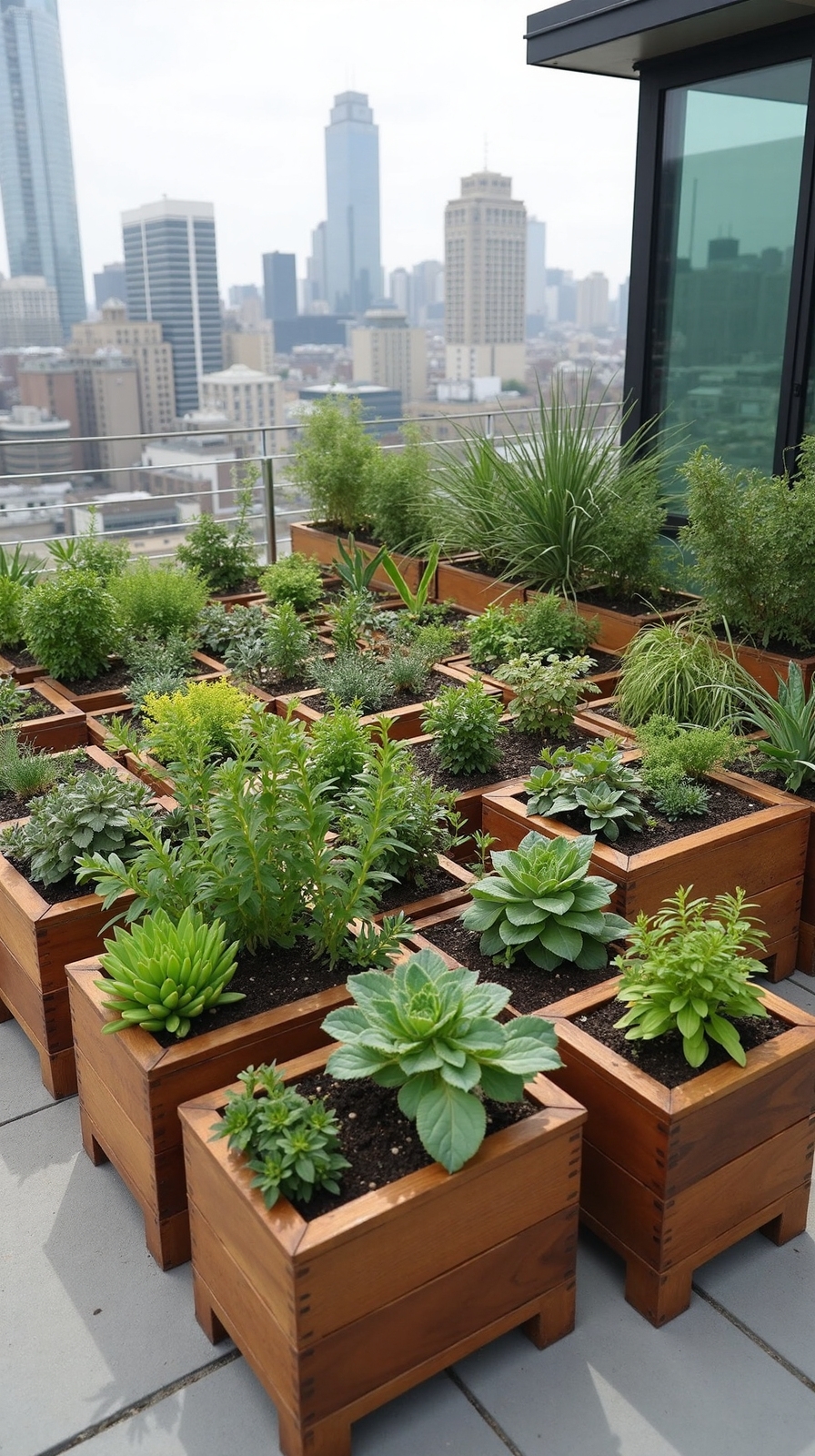
Modular garden systems revolutionize terrace gardening by offering unparalleled flexibility to adapt your growing space as seasons change and your needs evolve. You’ll uncover modular planter configurations that snap together like building blocks, allowing instant reconfiguration without disrupting plant roots.
These systems feature stackable containers, interlocking bases, and removable dividers that accommodate everything from herbs to vegetables. Versatile plant trellises connect seamlessly to create custom support networks for climbing plants.
You can expand upward when space gets tight or rearrange sections to follow sunlight patterns throughout the year, giving you complete control over your garden’s layout and functionality. Perfect for apartment patios, these modular solutions maximize growing potential even in the most compact urban outdoor spaces.
Rooftop Wind-Resistant Plant Selections
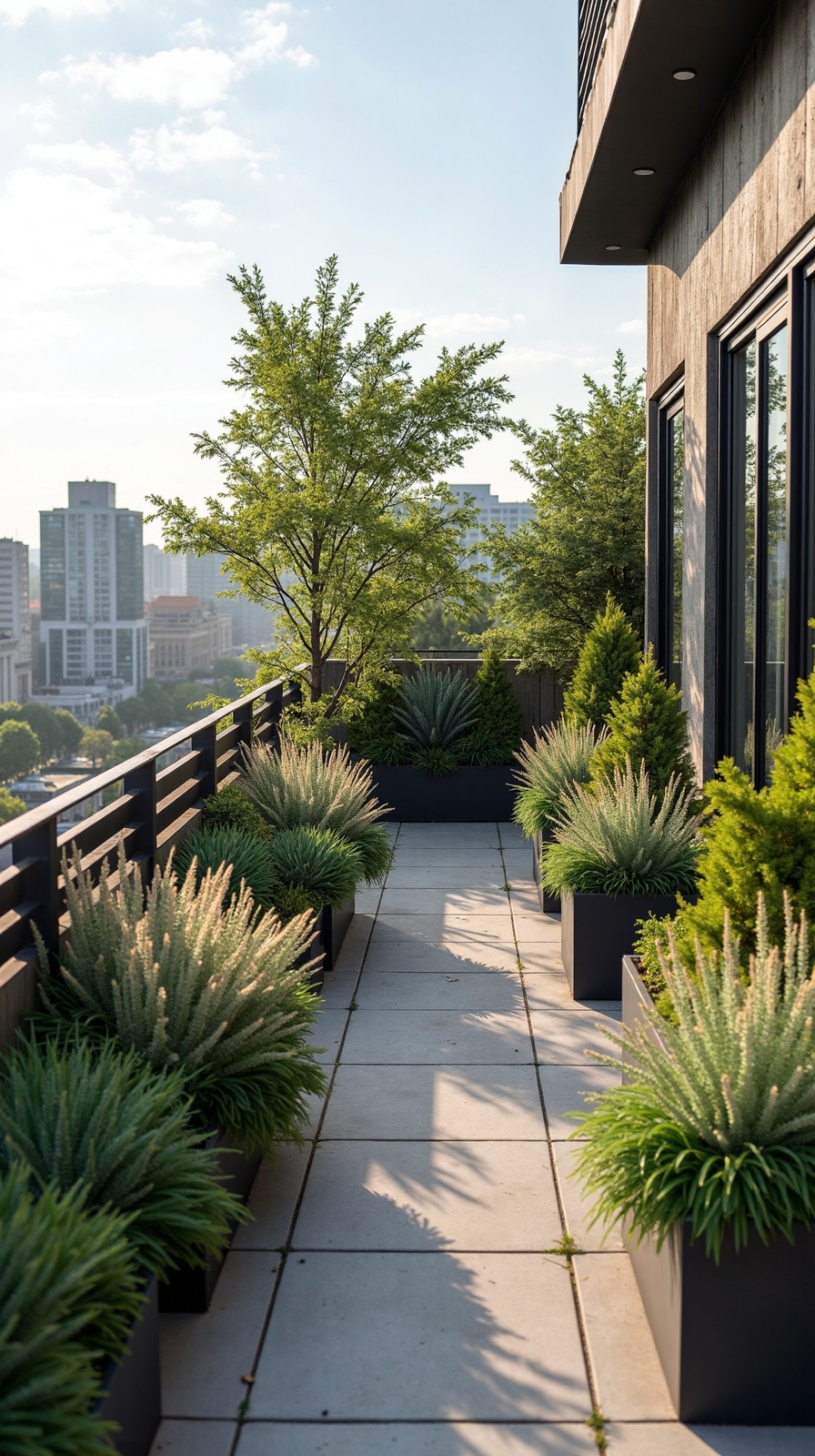
Although rooftop gardens offer stunning views and abundant sunlight, they present unique challenges that demand carefully selected plants capable of withstanding constant wind exposure. You’ll find success with wind resistant succulents like sedum and agave, which bend without breaking in strong gusts. These hardy varieties store water efficiently while maintaining their structural integrity.
Choose drought tolerant shrubs such as lavender, rosemary, and juniper for reliable performance in windy conditions. Their flexible branches and deep root systems provide stability while creating natural windbreaks for more delicate plants. Consider installing wind-blocking solutions like screens or barriers to create protected microclimates where you can grow a wider variety of plants. You’ll create a thriving rooftop sanctuary that accepts nature’s forces.
Weight-Conscious Gardening Solutions
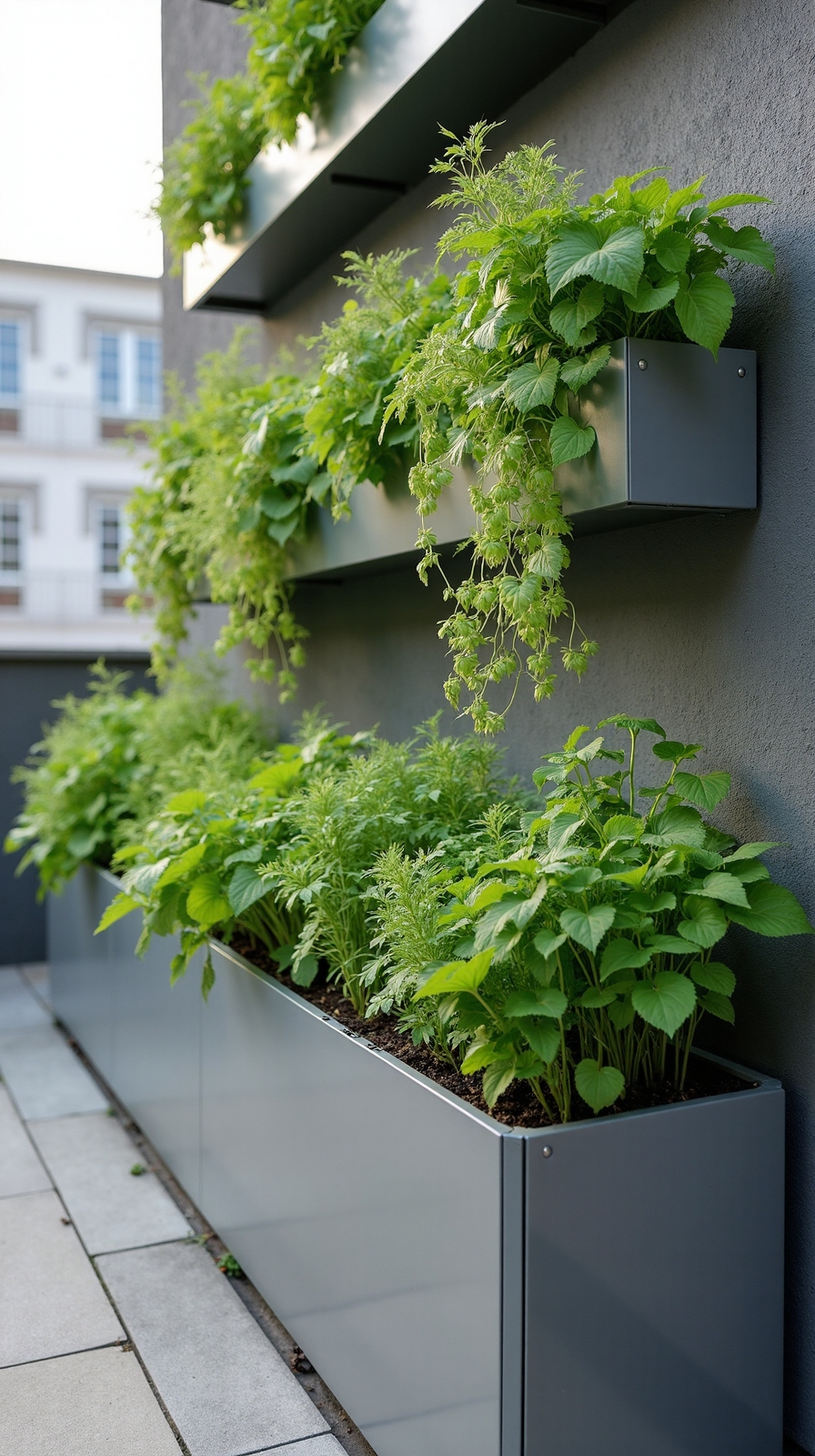
Every square foot of your urban terrace carries weight limits that directly impact your plant choices and container decisions. You’ll need lightweight alternatives that won’t compromise your structure’s integrity while maintaining your gardening freedom.
Choose fiberglass or resin containers over heavy ceramic pots to reduce overall load. Build raised planting beds using aluminum frames with fabric liners for maximum growing space at minimum weight. Replace heavy soil with lightweight potting mixes containing perlite and coconut coir.
Apply eco friendly fertilizers in liquid form rather than heavy granular options. These solutions let you create abundant gardens without structural concerns.
Seasonal Color Rotation Strategies
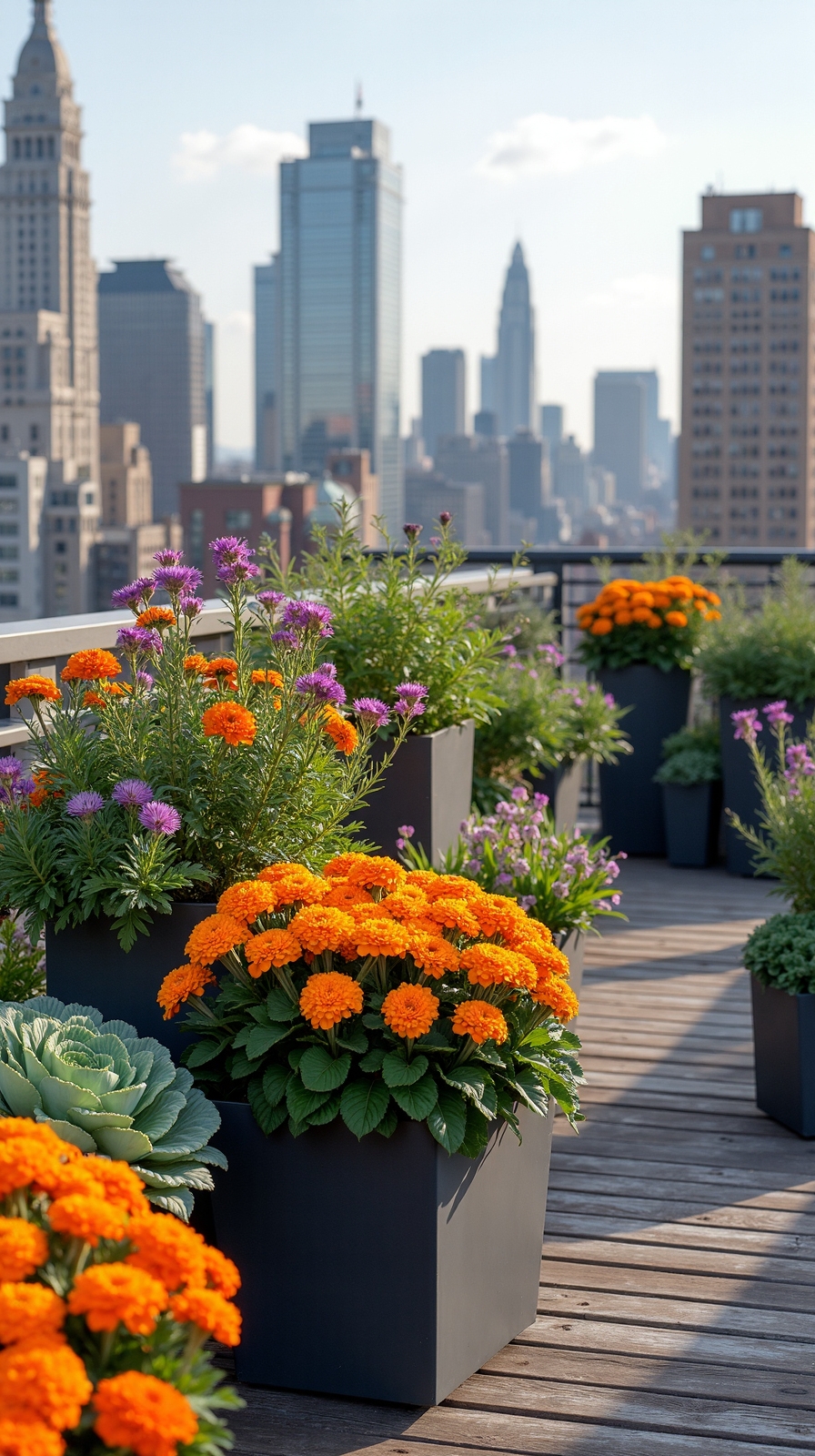
When seasons change, your terrace garden’s color palette can rejuvenate completely with strategic plant rotations that keep your outdoor space lively year-round. You’ll maximize visual impact through succession planting, where you stagger plantings every two weeks to maintain continuous blooms.
Cool-season pansies and snapdragons thrive in spring containers, while summer brings abundant marigolds and petunias. Implement biannual rotations by replacing spent annuals with fresh seasonal varieties.
Fall chrysanthemums and ornamental kale extend color into autumn, followed by winter evergreens and berry-producing plants. This systematic approach guarantees you’re never stuck with bare containers or faded blooms.
Water-Wise Irrigation for Small Spaces
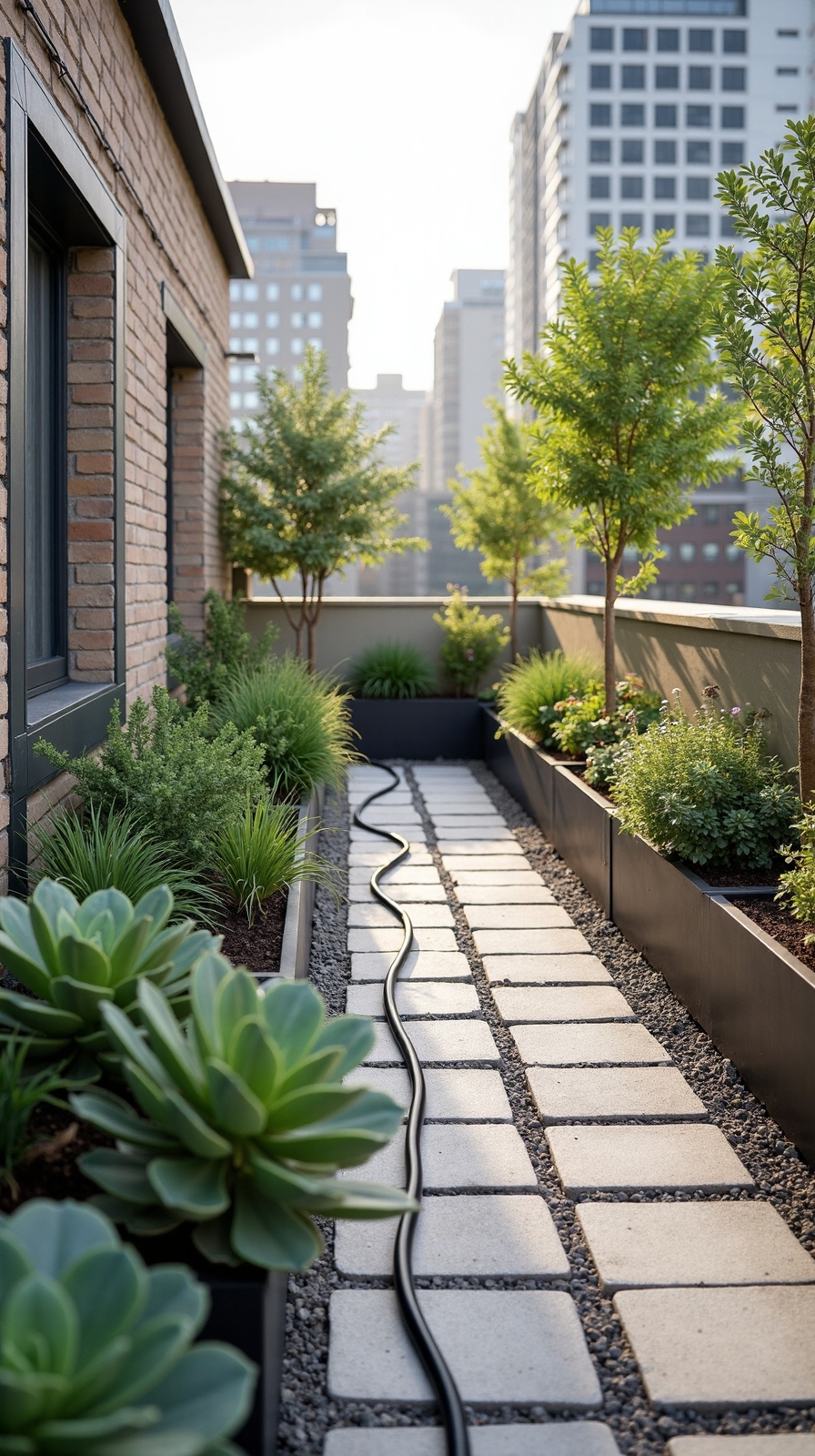
Since water conservation becomes increasingly important in urban environments, you’ll uncover that efficient irrigation systems can alter your terrace garden while reducing water waste by up to 50%. Drip irrigation systems deliver water directly to plant roots, eliminating runoff and evaporation losses that plague traditional sprinklers. You can install timer-controlled emitters that target each container precisely.
Moisture retaining mulches complement your irrigation setup by reducing soil evaporation rates extensively. Organic options like shredded bark or inorganic choices such as gravel work effectively. You’ll find that combining automated watering with protective mulch layers creates a self-sustaining system that keeps plants thriving.
Edible Landscaping in Confined Areas
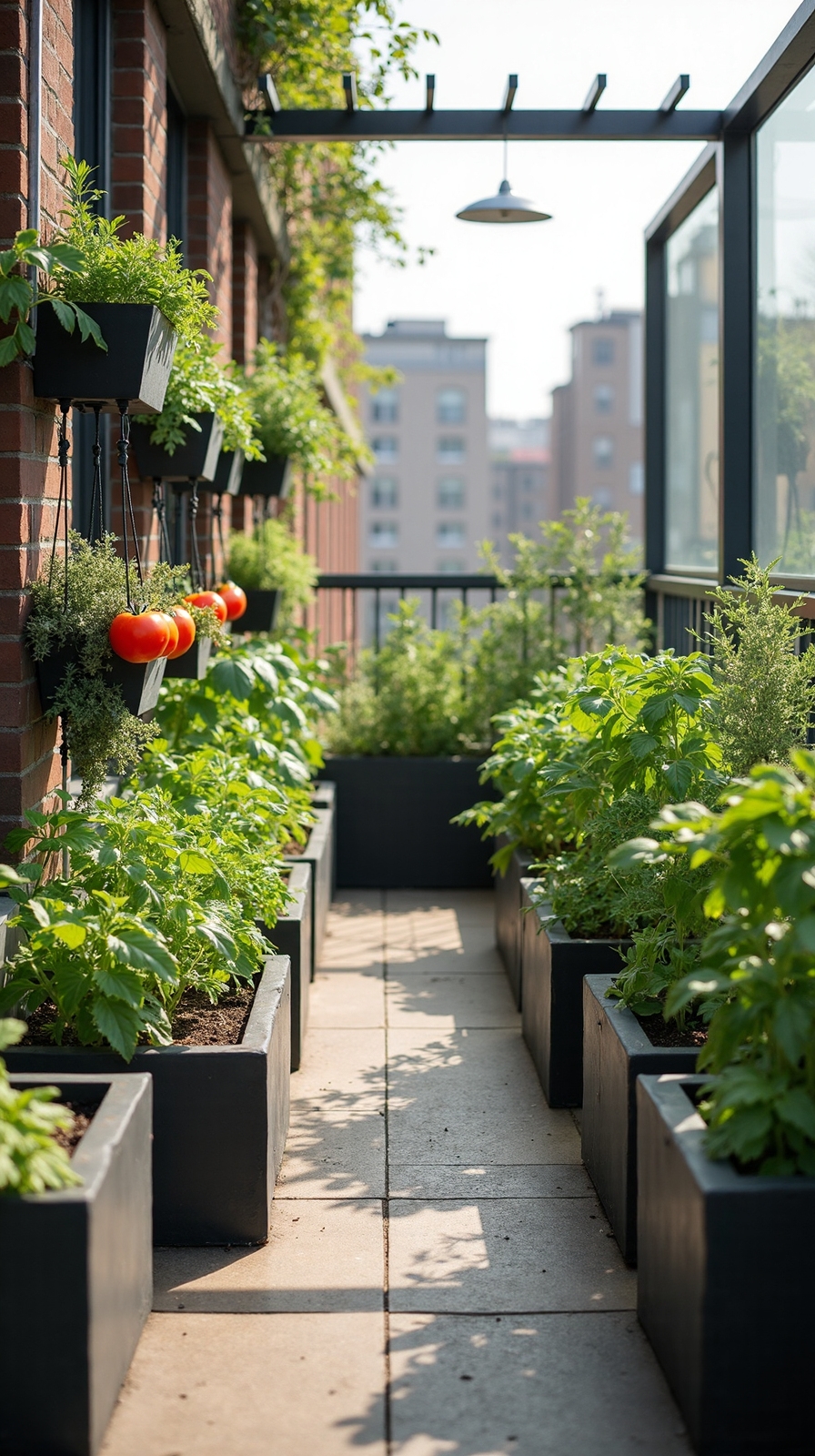
Compact urban terraces offer extraordinary opportunities to cultivate fresh produce while maximizing every square inch of growing space. You’ll find that raised bed gardening changes limited areas into productive food forests, allowing better soil control and drainage management.
Strategic plant placement creates natural windbreaks and shade zones for ideal micro climate management throughout your terrace.
Choose dwarf fruit trees, compact herbs, and vertical vegetables that won’t overwhelm your space. Container-grown tomatoes, peppers, and leafy greens thrive in confined environments when you provide consistent watering and proper positioning. You’re creating sustainable food sources while maintaining your independence from traditional grocery supply chains.
Creative Use of Railings and Boundaries
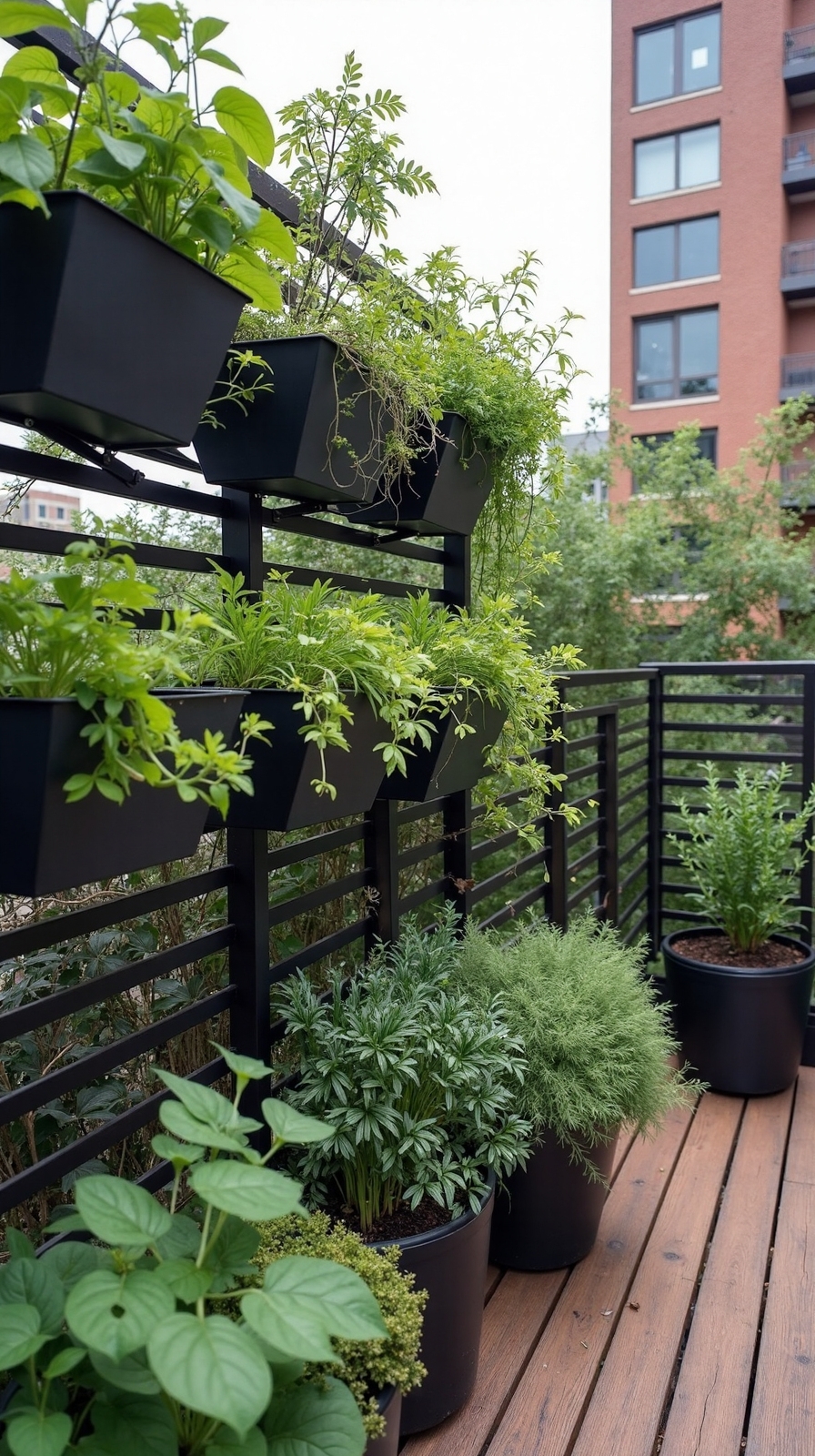
Your terrace’s railings and boundaries represent untapped vertical real estate that can dramatically expand your growing capacity without sacrificing floor space. Alter these structures into productive growing zones using creative trellis structures that support climbing vegetables and flowering vines.
Install planter boxes along railings to create innovative boundary plantings that define your space while providing fresh herbs and greens. Wire mesh panels attached to existing rails create instant support for peas, beans, and cucumbers. Consider pocket planters that slip over railing tops, maximizing every inch of available surface area for your urban growing ambitions.
Portable Garden Elements for Renters
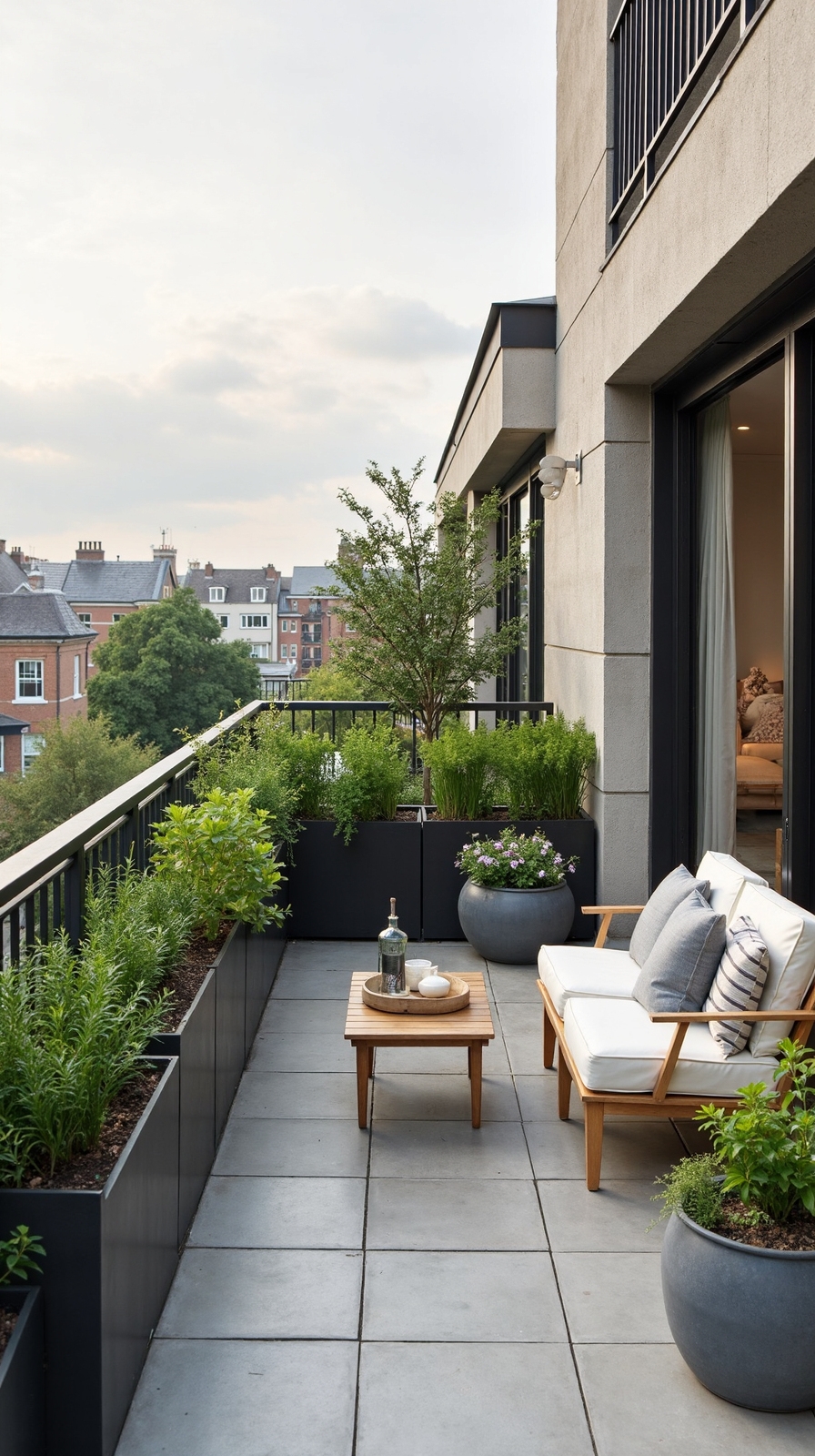
Renting doesn’t mean you’ll have to sacrifice your gardening dreams or worry about permanent modifications that could jeopardize your security deposit. Mobile garden caddies convert any terrace into a thriving green space while protecting your investment. These wheeled platforms let you reposition plants for ideal sunlight throughout seasons.
Rolling plant trays offer additional flexibility for smaller containers and herb collections. You’ll easily move delicate plants indoors during harsh weather or relocate heavy pots without strain. Consider stackable planters, hanging systems with removable hooks, and lightweight raised beds that require no assembly. Everything packs up seamlessly when it’s time to relocate.
Maximizing Limited Sunlight Conditions
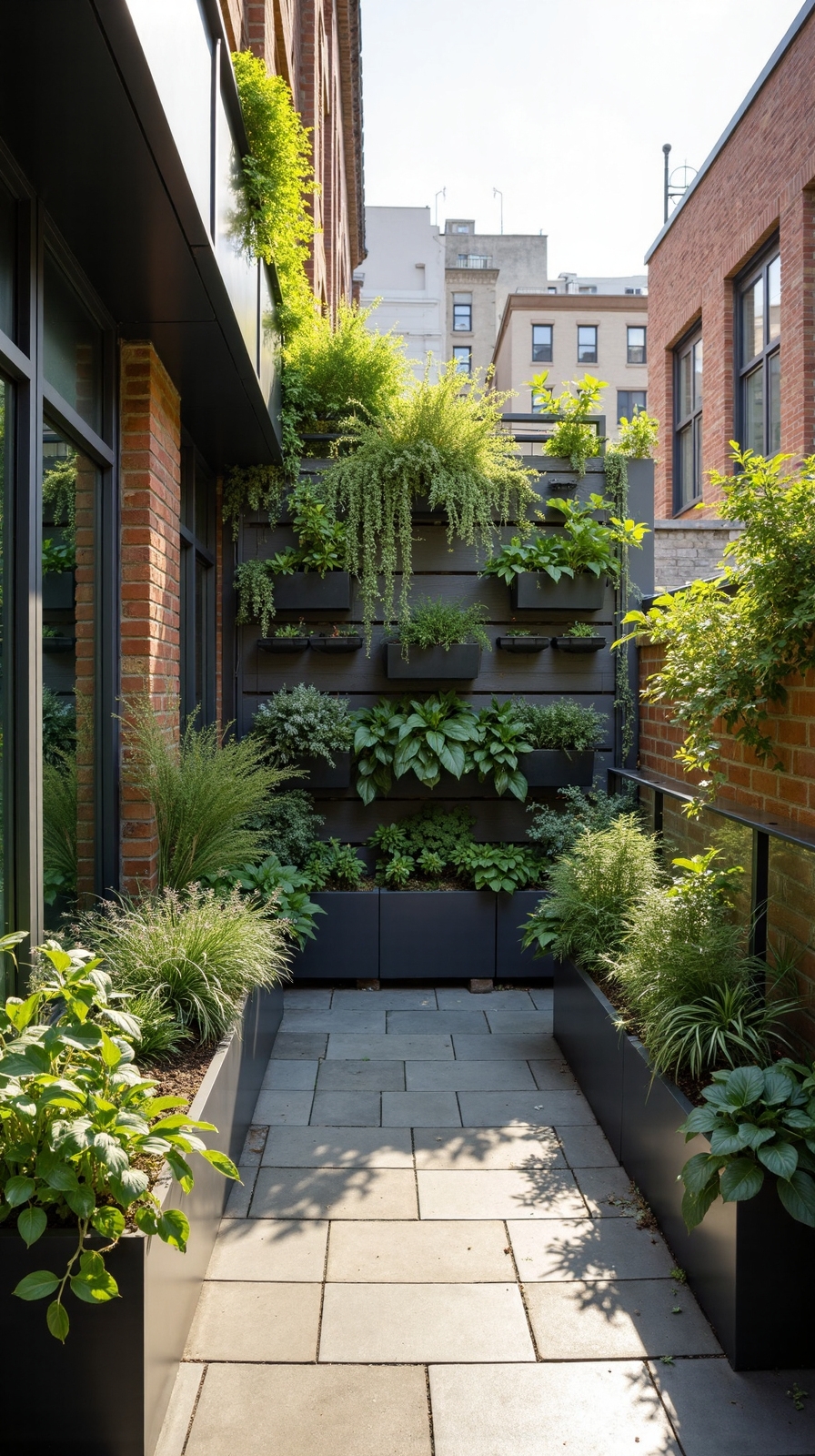
Many urban terraces receive only partial sunlight due to surrounding buildings, overhangs, or seasonal shade patterns that limit your plant selection. You don’t need full sun to create a thriving garden sanctuary. Focus on shade tolerant plant selection like hostas, ferns, begonias, and caladiums that flourish in low-light conditions.
Supplement natural light with innovative lighting solutions such as LED grow lights or solar-powered plant spotlights. Position reflective surfaces like mirrors or white walls to bounce available light onto your plants. Consider container gardening to move plants throughout the day, chasing precious sunlight patches across your terrace space.
Storage Integration Within Garden Design
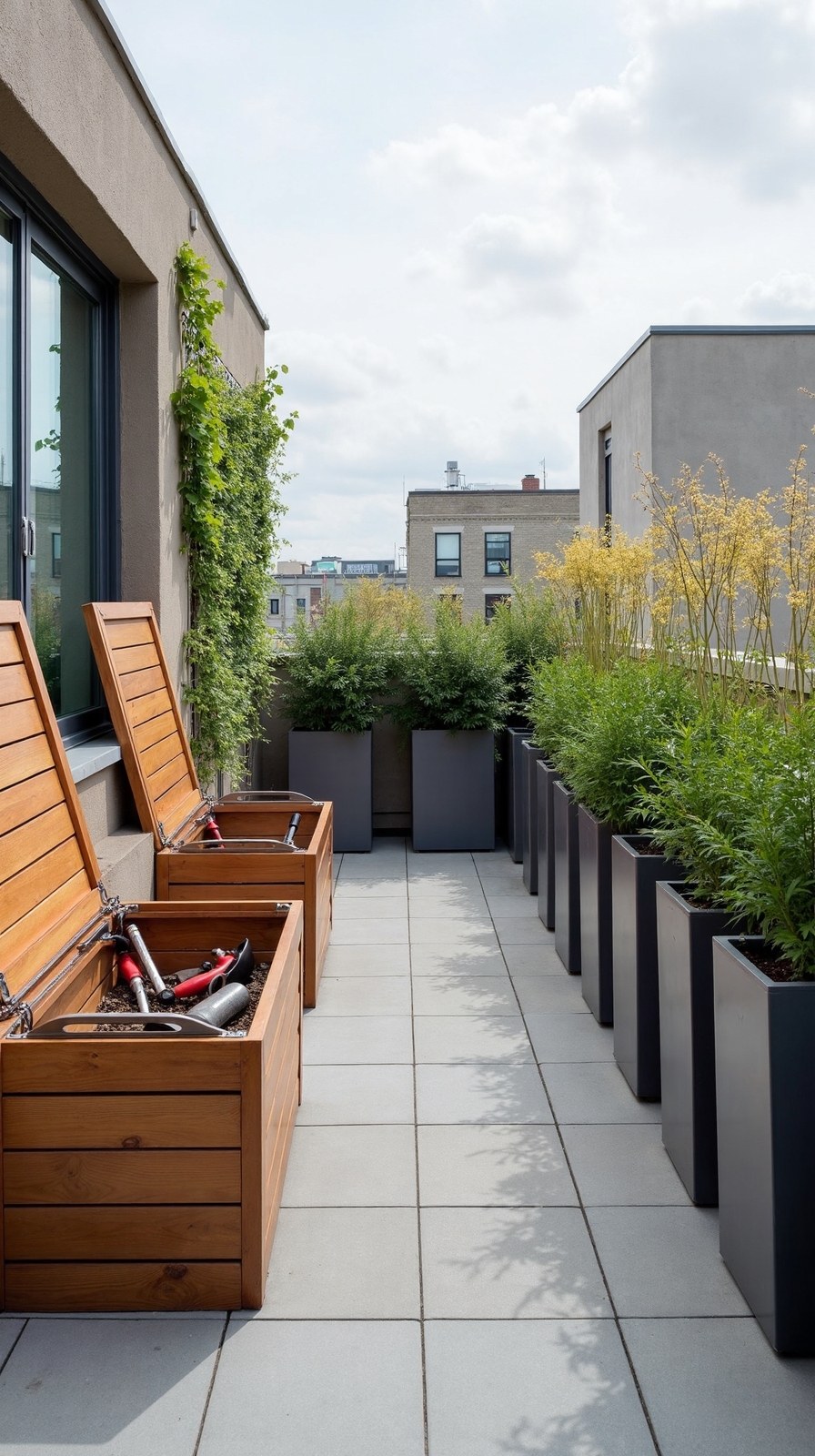
Smart terrace gardeners understand that every square foot serves double duty when you integrate storage solutions directly into your garden design. Multi purpose storage units alter ordinary planters into functional organizers for tools, fertilizers, and watering supplies.
Build raised beds with discreet storage compartments underneath for seasonal decorations or extra potting soil. Install bench seating that opens to reveal hidden storage for cushions and garden accessories. Wall-mounted planters can house both herbs and small hand tools behind decorative panels. This approach maximizes your outdoor freedom while maintaining the aesthetic beauty you’ve worked hard to create.
Conclusion
You’ve uncovered how to metamorphose your urban terrace into a thriving garden sanctuary using smart vertical solutions, strategic container placement, and multi-functional designs. Start with one or two techniques that match your space and growing conditions. Whether you’re working with full sun or shade, rental restrictions or permanent installations, these practical approaches will help you cultivate the productive outdoor oasis you’ve been envisioning.