15 Creative Home Office Ideas That Inspire Big Thinking
Discover fifteen research-backed home office design strategies that transform any workspace into a creativity powerhouse where your biggest breakthrough ideas naturally emerge.
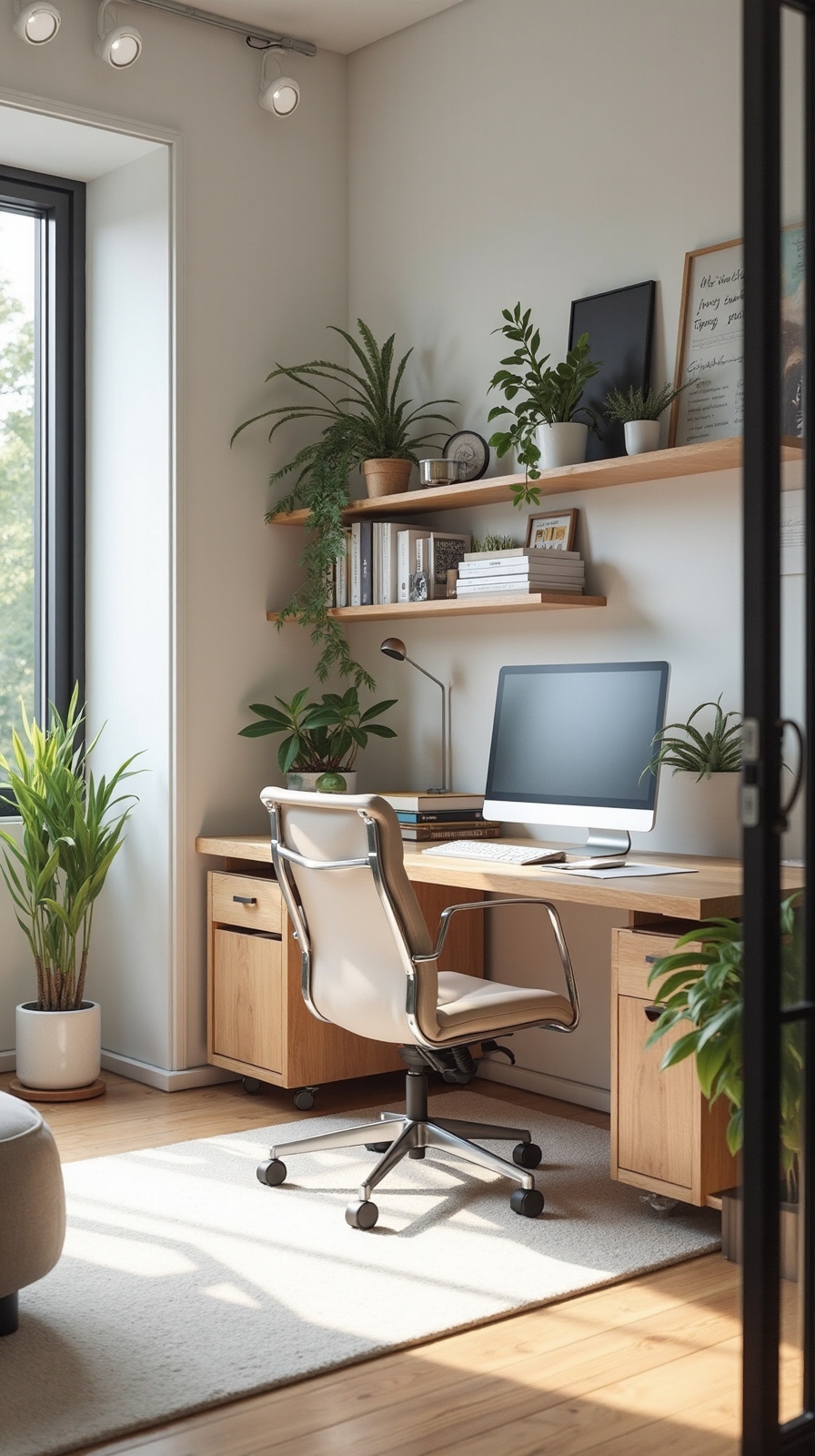
You’ve probably experienced those moments when your home office feels more like a creativity killer than an innovation hub. The truth is, your workspace directly impacts your ability to generate breakthrough ideas and tackle complex challenges. By implementing strategic design elements that align with how your brain actually processes information, you can alter any room into a thinking powerhouse. These fifteen research-backed approaches will help you create an environment where your biggest ideas naturally emerge.
Transform Your Walls Into Living Vision Boards
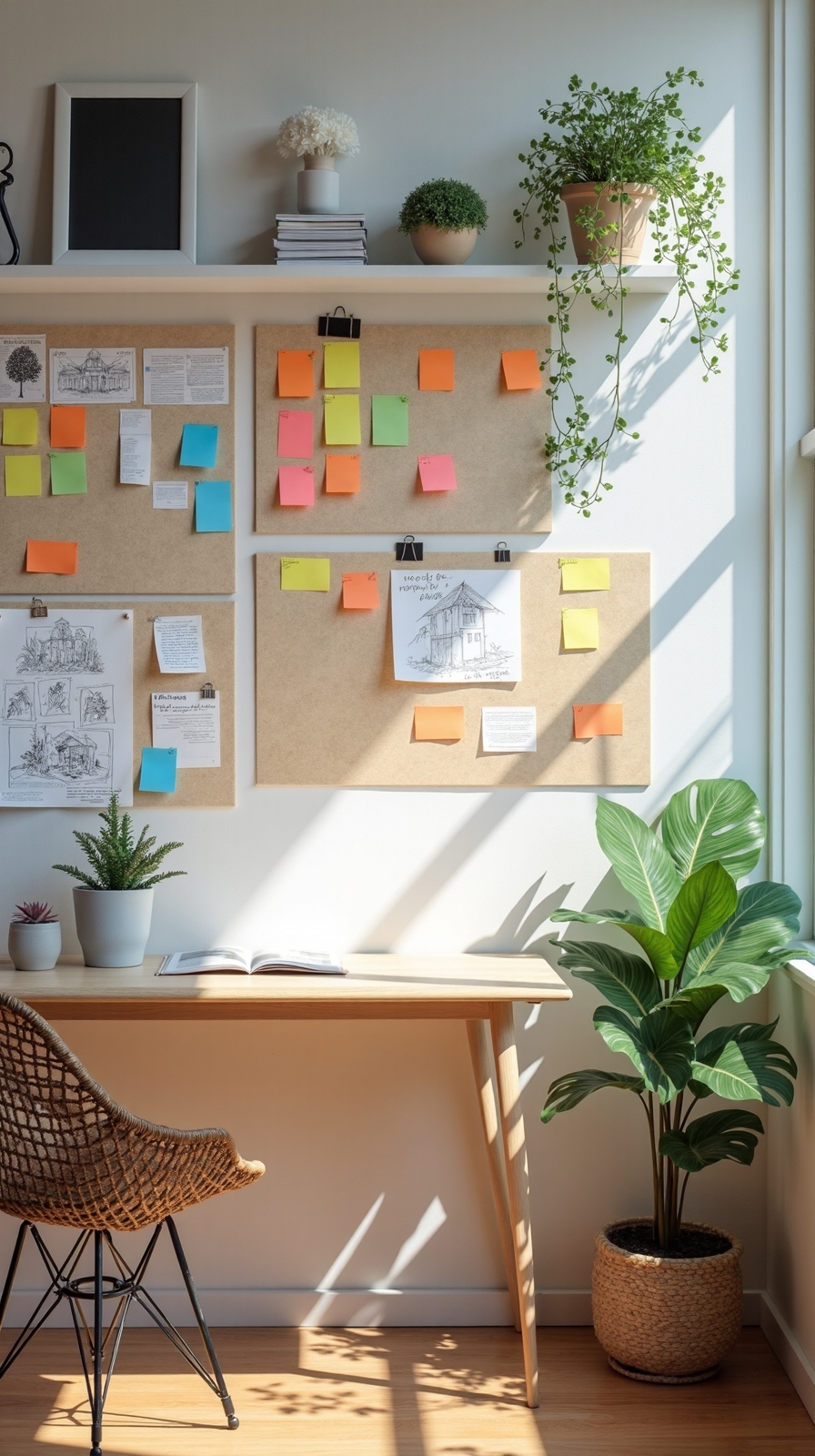
Alter your blank office walls into adaptable vision boards that’ll motivate you every single day while serving as functional workspace elements. You’ll create powerful mood enhancing visual elements by combining magnetic paint, cork strips, and removable adhesive frames that let you update content without damage.
Design personalized vision board layouts using three distinct zones: career goals on your primary wall, creative inspiration above your desk, and achievement celebrations near your entrance. You can rotate quarterly objectives, add motivational quotes, and display progress photos that remind you why you’re building your independent lifestyle.
Install wire grids with clips for easy content swapping, or use washi tape to create geometric sections that organize different life areas. This flexible system grows with your changing dreams.
Design a Color Palette That Sparks Neural Connections
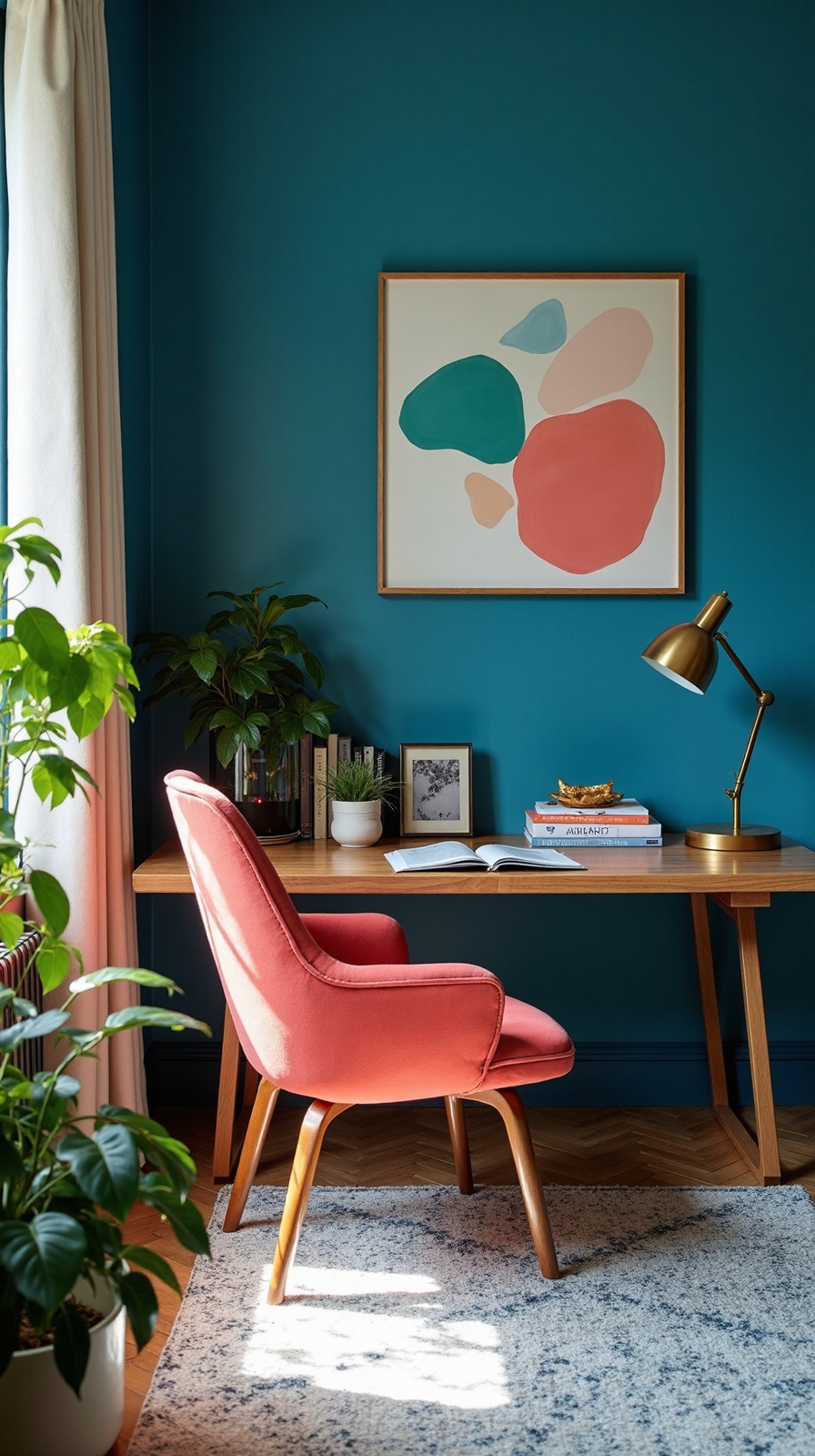
Beyond creating inspiring visual displays, strategic color choices can fundamentally rewire your brain’s response to work, altering your home office into a neurologically optimized productivity hub. You’ll uncover that mood boosting color combinations directly influence your mental state and creative output throughout your workday.
Start with harmonious hue pairings that energize without overwhelming your senses. Deep blues paired with warm oranges stimulate focus while encouraging innovative thinking. Green and yellow combinations reduce eye strain while promoting sustained concentration during lengthy projects.
Consider painting one accent wall in sage green to enhance problem-solving abilities, or incorporate coral accents to amplify confidence during client calls. Purple elements spark imagination, while earth tones ground scattered thoughts. You’re essentially programming your environment to trigger specific neurological responses that support your professional goals and creative breakthroughs.
Create Multi-Level Workstations for Different Thinking Modes
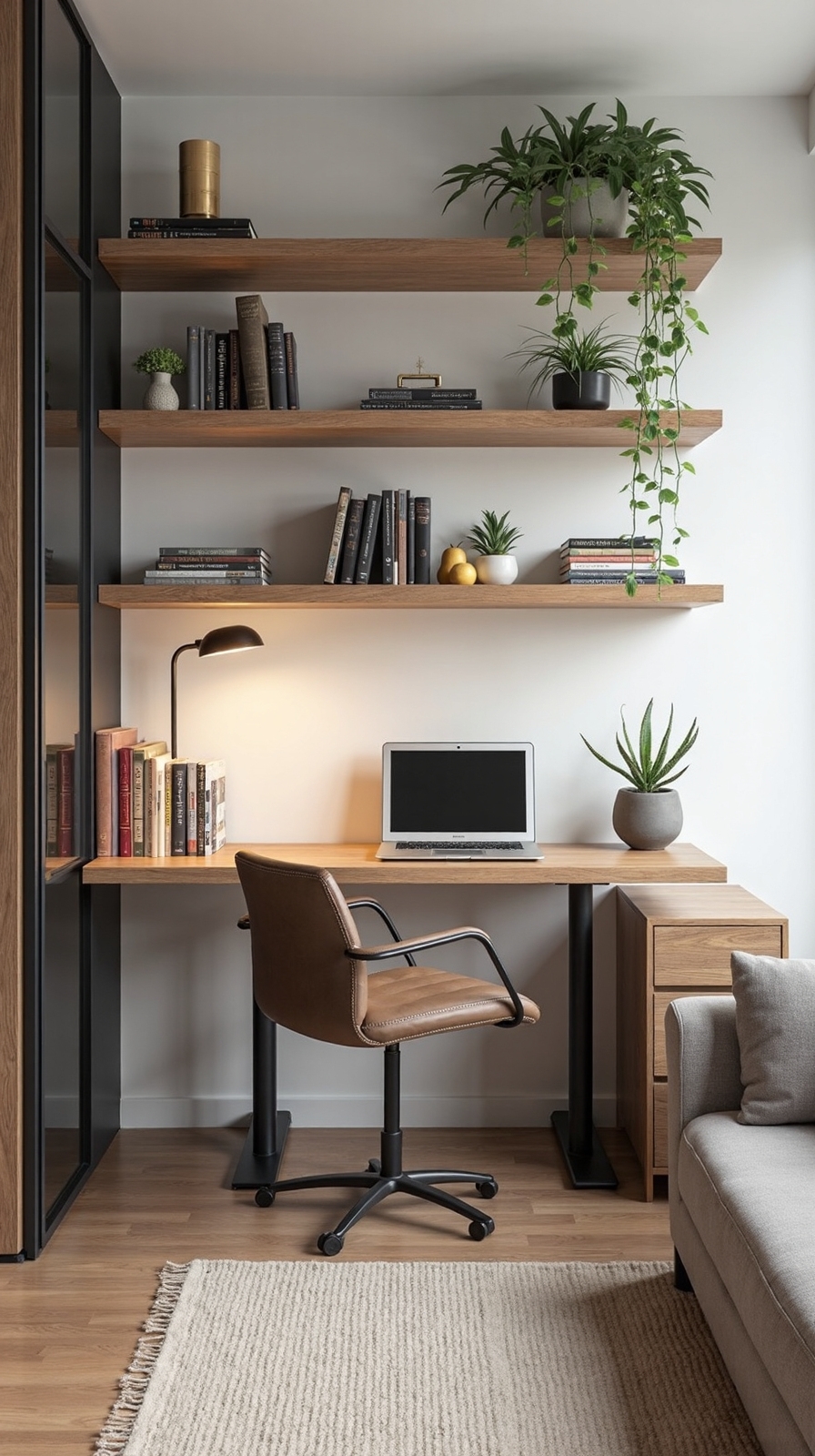
Your brain operates like a sophisticated machine that requires different physical environments to activate various cognitive functions and creative processes. Modular workstations give you the flexibility to switch between focused concentration and expansive brainstorming sessions throughout your day.
Create three distinct zones within your office space. Position a standard desk for detail-oriented tasks like writing and analysis. Add elevated surfaces like a standing desk or high counter for energetic ideation and quick problem-solving sessions. Include a comfortable low seating area with a coffee table for reflective thinking and reviewing materials.
These varied heights naturally shift your posture and viewpoint, triggering different mental states. You’ll uncover that standing promotes active thinking, while seated positions enhance focused concentration. This multi-level approach transforms your workspace into a versatile environment that adapts to your changing cognitive needs.
Incorporate Natural Elements to Boost Mental Clarity
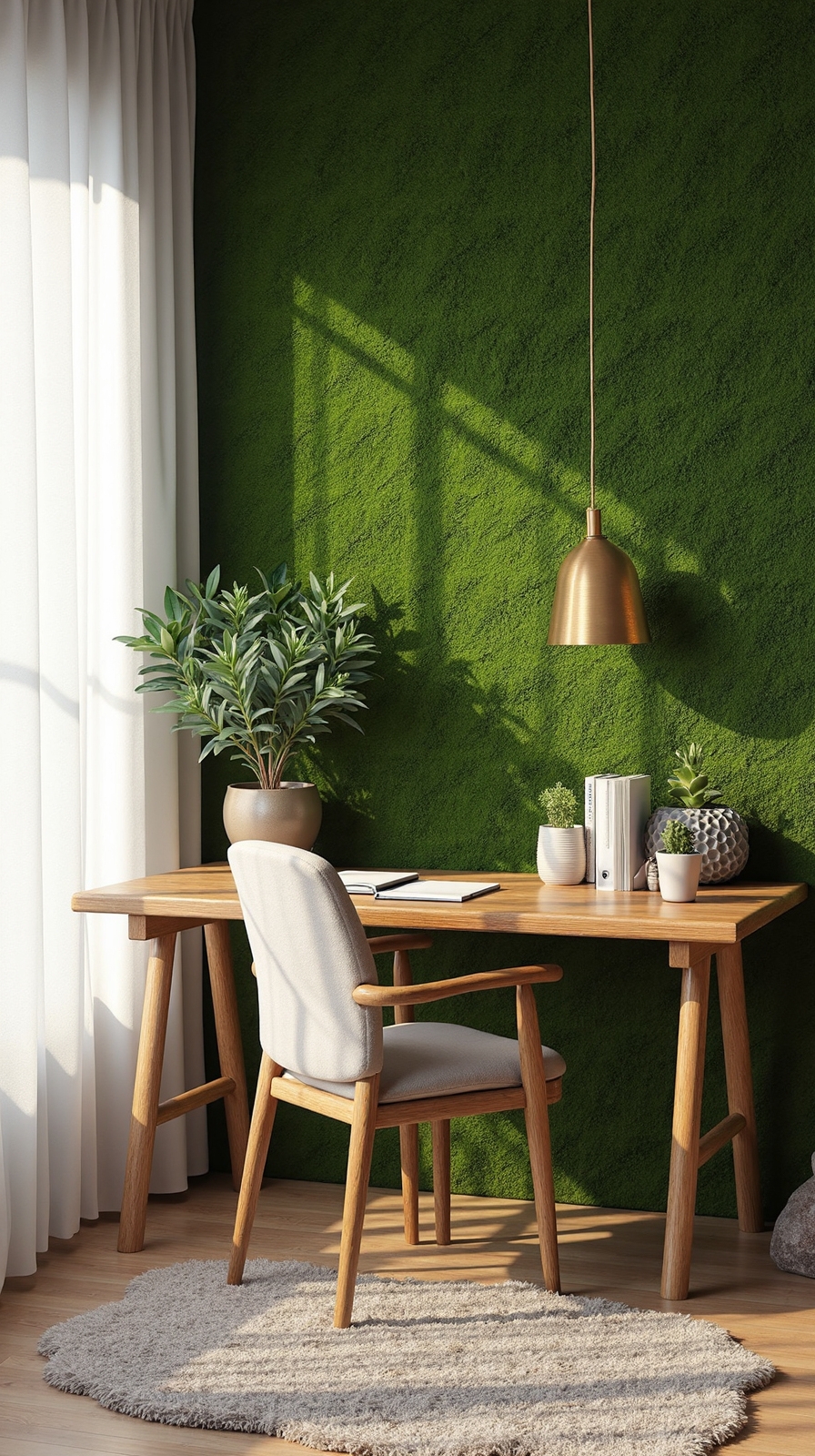
When you introduce living plants, natural textures, and organic materials into your home office, you’ll create an environment that naturally reduces stress and enhances cognitive performance. Studies show that natural elements improve focus by up to 25% while reducing mental fatigue.
Strategic Plant Placement
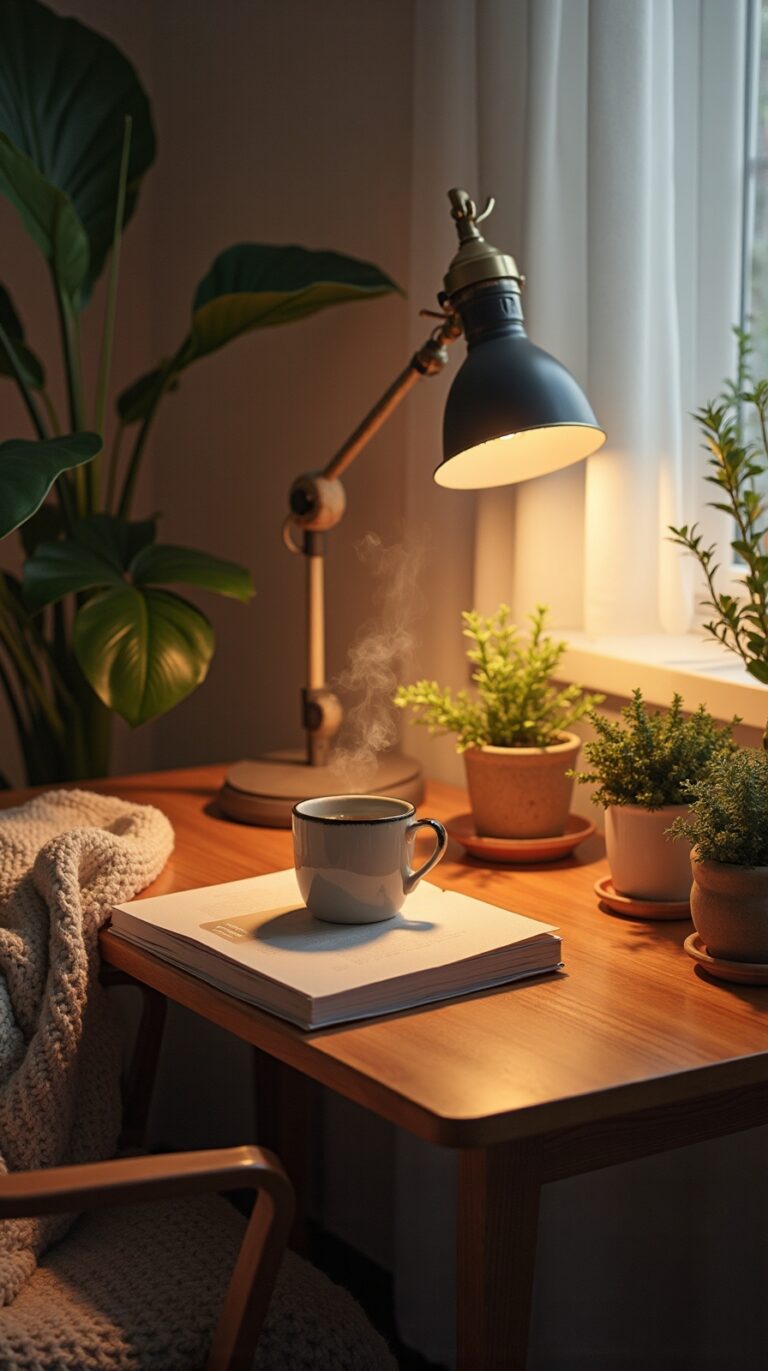
Integrate potted plants like snake plants, pothos, or peace lilies near your workspace. These low-maintenance options purify air while adding visual serenity. Position larger plants in corners to soften harsh angles and create depth.
Natural Material Integration
Utilize natural materials such as bamboo desk organizers, cork bulletin boards, and wooden storage solutions. Replace plastic accessories with stone paperweights or wooden pen holders. Consider a jute rug underfoot for texture and warmth.
These simple additions convert sterile spaces into inspiring sanctuaries that support your creative freedom.
Install Dynamic Lighting Systems for Every Task
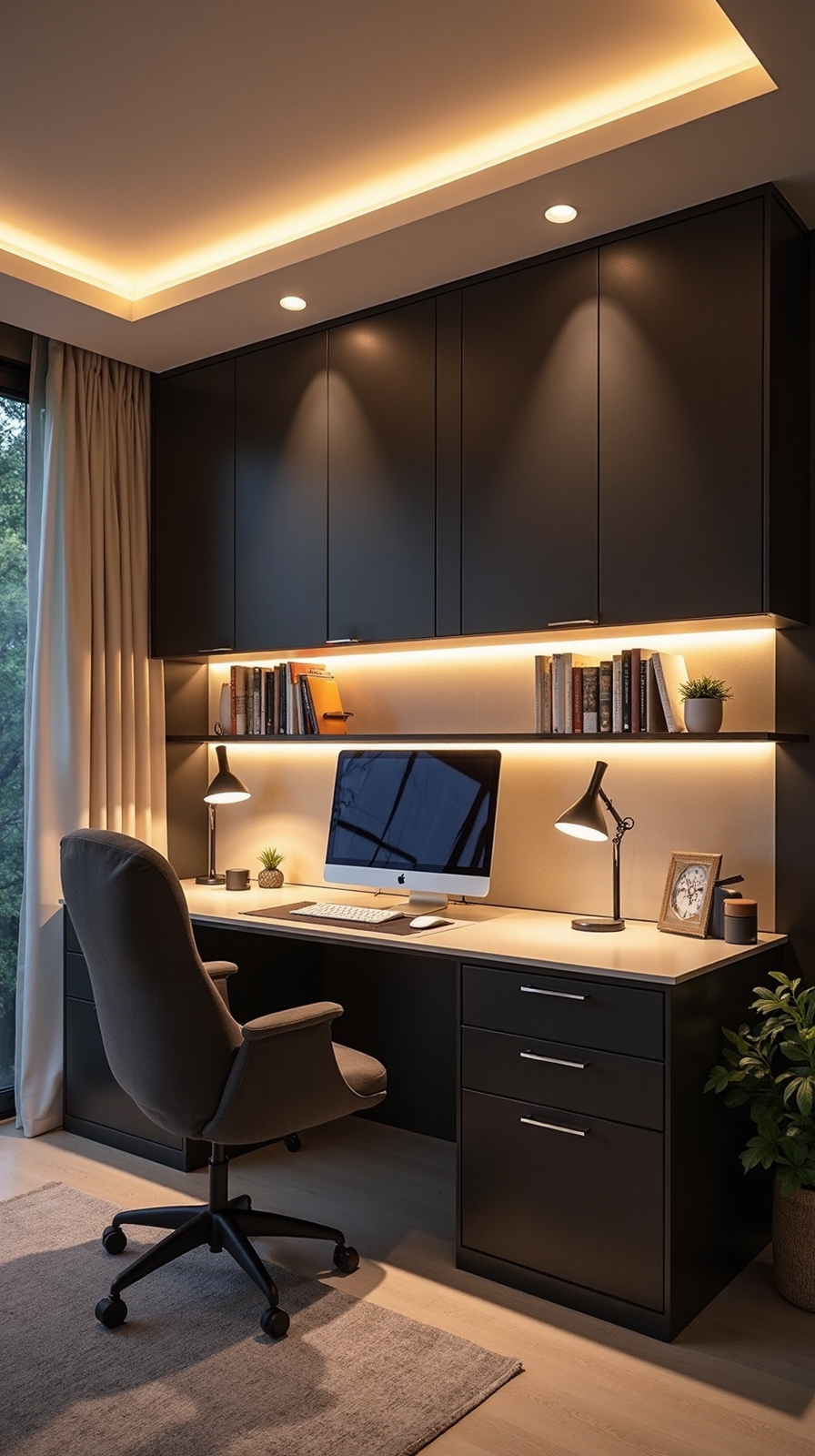
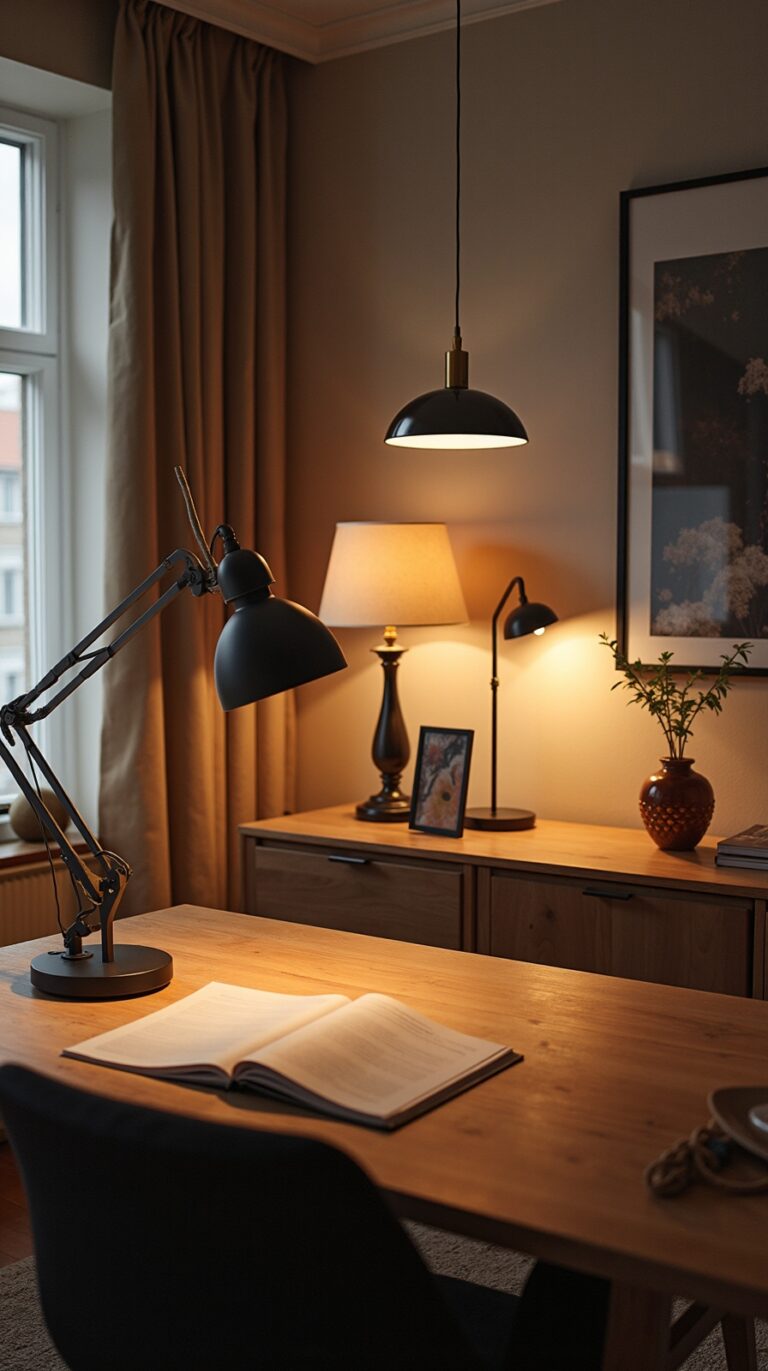
Proper lighting alters your productivity levels throughout the day, as different tasks require distinct illumination strategies to optimize your performance and reduce eye strain. You’ll want to establish three lighting zones: ambient for general room brightness, task lighting for focused work, and accent lighting for visual comfort.
Smart bulbs with adjustable brightness settings let you customize intensity based on your current activity—bright white light for analytical work, warmer tones for creative sessions.
Motion activated sensors add convenience by automatically illuminating your workspace when you enter, eliminating fumbling for switches during early morning or late evening work sessions. Install under-cabinet LED strips for keyboard illumination and position adjustable desk lamps to prevent screen glare.
This flexible approach transforms your office into an adaptable environment that supports your natural rhythms and enhances focus.
Build Flexible Storage That Adapts to Your Creative Process
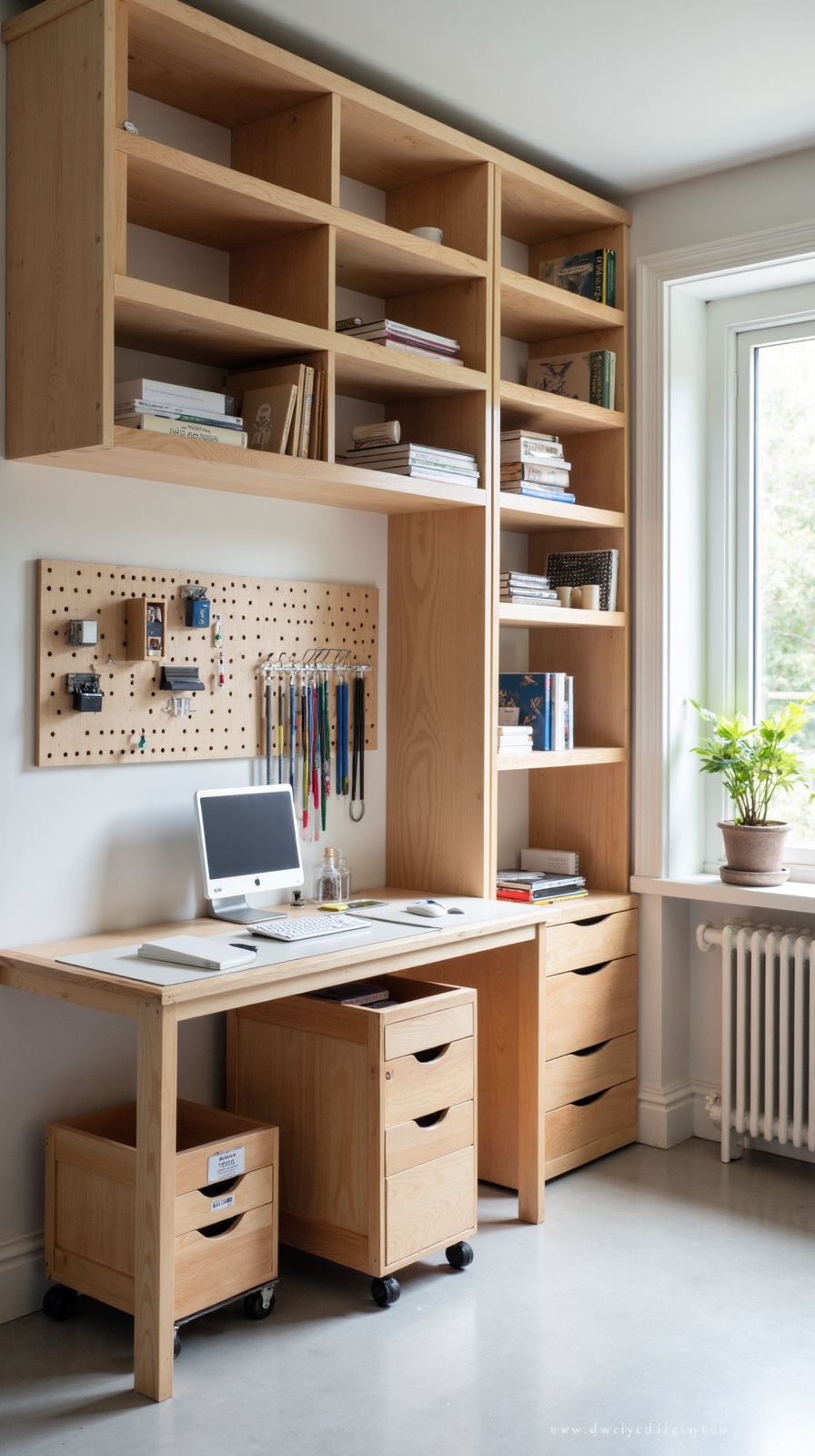
Creative projects generate varying amounts of materials, supplies, and references that shift dramatically from one phase to another, making static storage solutions inadequate for fluid work environments. You’ll need modular storage solutions that reconfigure as your creative demands change throughout different project phases.
Install rolling carts with removable bins that move between workstations as needed. Wall-mounted cube systems let you add or subtract compartments based on current requirements. Adaptable filing systems with adjustable dividers accommodate everything from sketches to fabric samples without wasting space.
Consider stackable drawer units that separate during intensive work periods and consolidate during cleanup phases. Pegboard walls with moveable hooks and shelves alter instantly from displaying inspiration boards to organizing tools. This flexibility prevents creative bottlenecks while maintaining the organized environment your best thinking requires.
Establish a Dedicated Brainstorming Zone
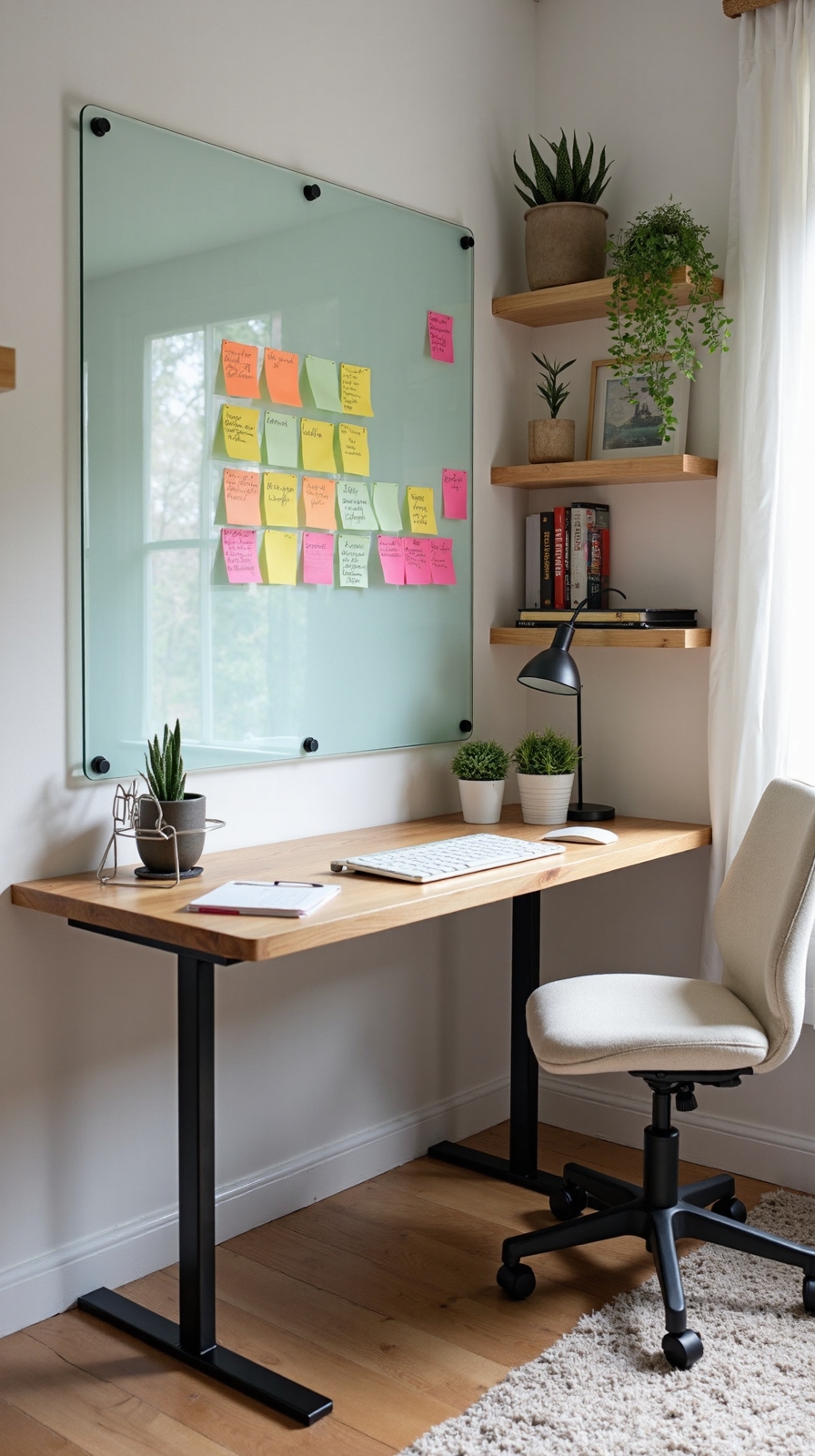
How often do great ideas strike when you’re hunched over your desk, wrestling with deadlines and distractions? Rarely. You need a separate space designed specifically for creative thinking and problem-solving.
Create your brainstorming zone away from your main workspace. Choose a corner with natural light and comfortable seating like bean bags or floor cushions. Install a large whiteboard or cork board for capturing ideas visually.
Consider incorporating meditation nooks with soft lighting and plants to help clear your mind before creative sessions.
If you collaborate with others, enable collaborative brainstorming areas by adding moveable furniture and multiple writing surfaces. Stock this zone with colorful markers, sticky notes, and sketch pads. Keep technology minimal to avoid digital distractions that stifle creative flow.
Use Acoustic Design to Enhance Focus and Flow
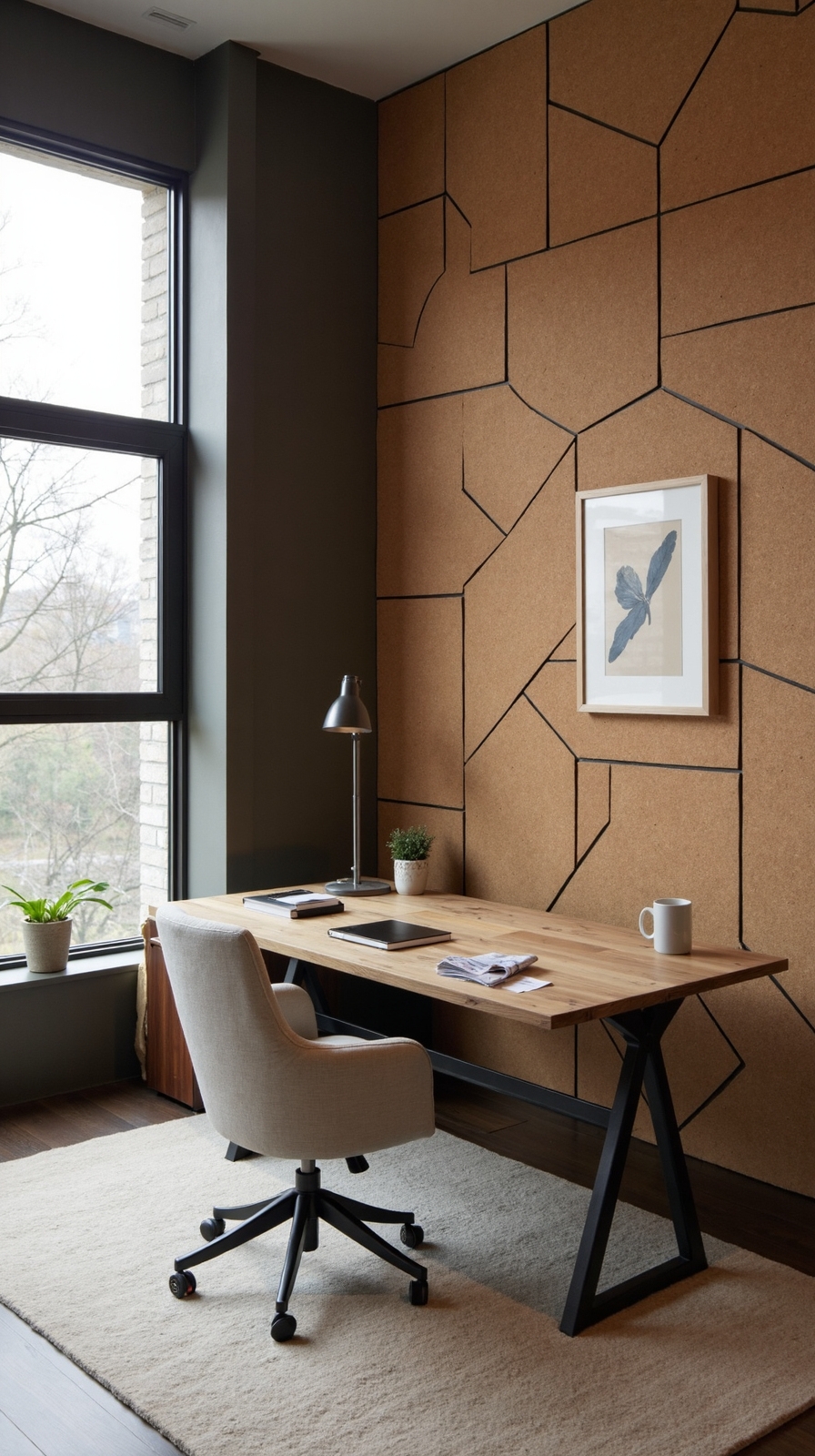
Every sound in your home office affects your ability to concentrate, create, and maintain productive workflow throughout the day. Strategic acoustical absorption converts chaotic noise into calm productivity by incorporating soft furnishings, fabric panels, and strategically placed rugs that dampen distracting echoes.
Essential Soundproofing Considerations:
- Install acoustic panels behind your desk to reduce sound reflections and create focused work zones
- Add heavy curtains or sound-absorbing blinds to minimize external noise intrusion
- Position bookshelves filled with materials along shared walls for natural sound dampening
- Use thick area rugs on hard flooring to eliminate footstep noise and reduce room reverberation
These acoustic improvements create an environment where deep thinking flourishes naturally. You’ll notice enhanced concentration and smoother creative flow when unnecessary sounds can’t interrupt your mental processes.
Position Your Desk for Maximum Natural Light Exposure
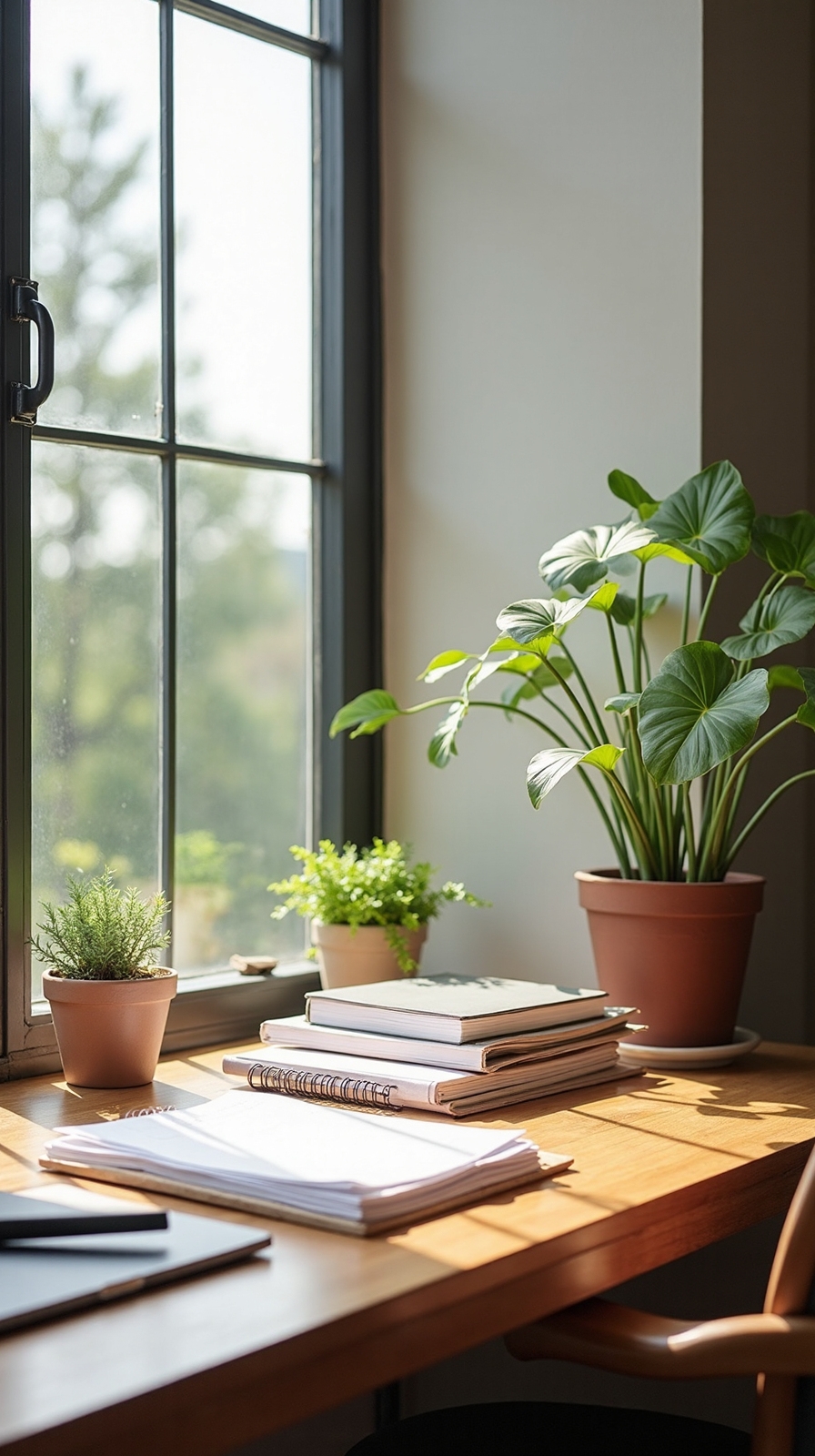
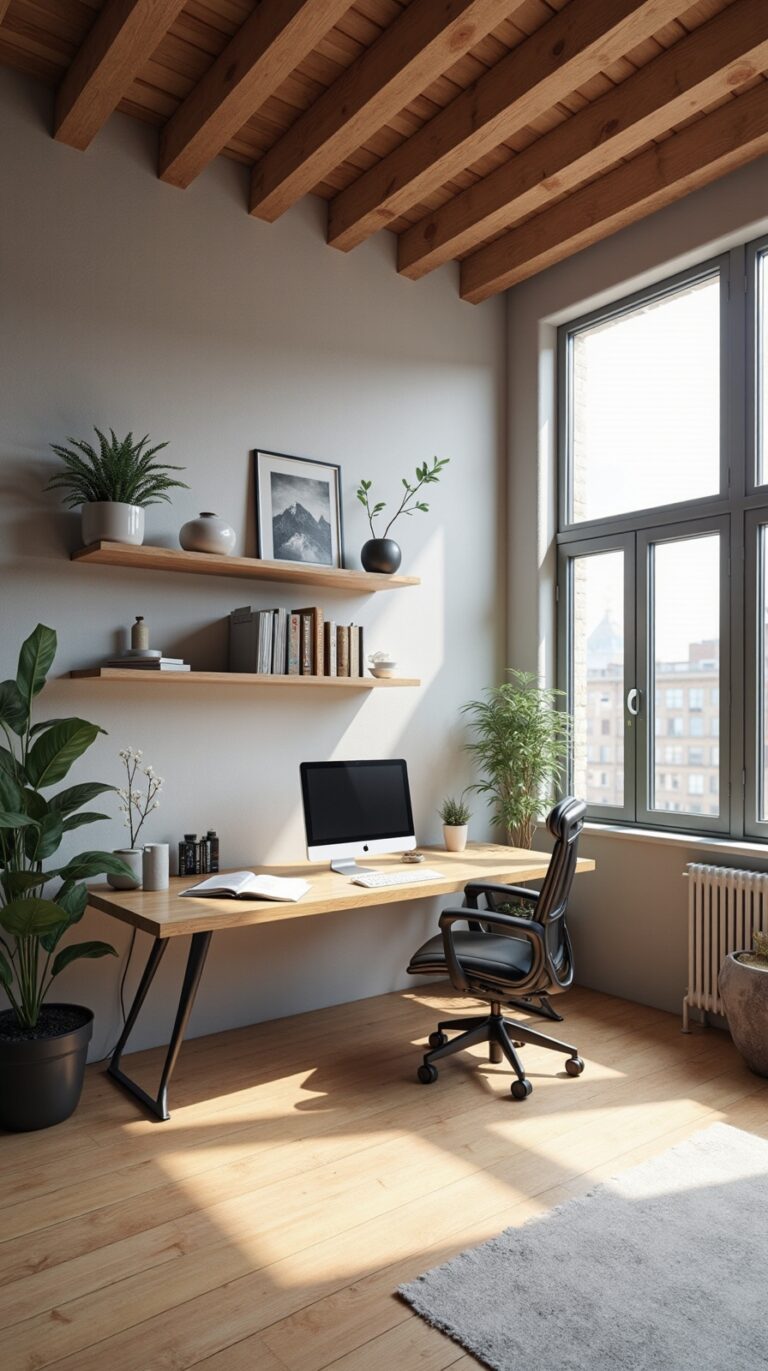
Building an acoustically optimized workspace sets the foundation, but proper lighting placement augments your productivity potential even further. You’ll want to position your desk perpendicular to windows rather than directly facing them to minimize screen glare while maximizing illumination.
Strategic window placement becomes your ally when you create an angled desk position that captures morning or afternoon light without creating harsh shadows across your workspace. East-facing windows provide energizing morning light, while north-facing windows offer consistent, gentle illumination throughout the day.
Consider placing your monitor at a 90-degree angle to your primary light source. This setup reduces eye strain and creates an inviting atmosphere that keeps you alert and focused. You’ll find that natural light elevates your mood and maintains your circadian rhythm, supporting sustained creative thinking sessions.
Create Texture-Rich Surfaces That Engage Your Senses
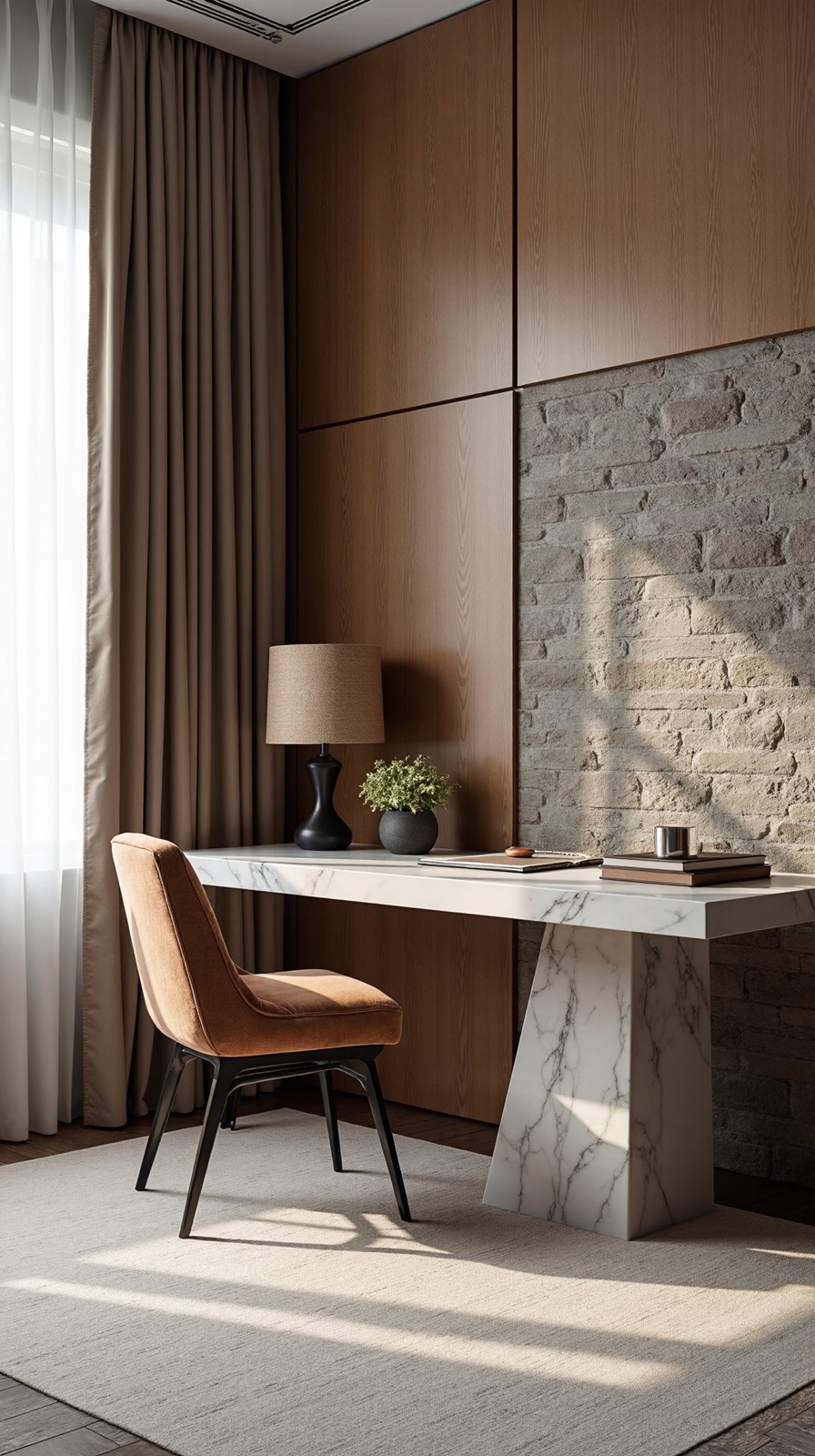
Something magical happens when you introduce varied textures throughout your home office—your workspace metamorphoses from a sterile environment into an inspiring creative haven. Layered textures stimulate your brain’s neural pathways, encouraging innovative thinking while breaking free from conventional office monotony.
Start by incorporating multisensory materials that invite touch and visual interest. Add a jute rug beneath your desk, install reclaimed wood floating shelves, and display woven baskets for storage. Consider textured wall panels, cork boards, or fabric-covered acoustic tiles that serve dual purposes.
Mix smooth surfaces with rough ones—pair sleek metal desk accessories with natural stone paperweights or wooden pen holders. Introduce soft elements like velvet chair cushions or linen curtains alongside harder materials like concrete planters or ceramic vases. These contrasting textures create lively visual rhythm while keeping your mind engaged and creatively stimulated.
Design a Movement-Friendly Layout That Encourages Active Thinking
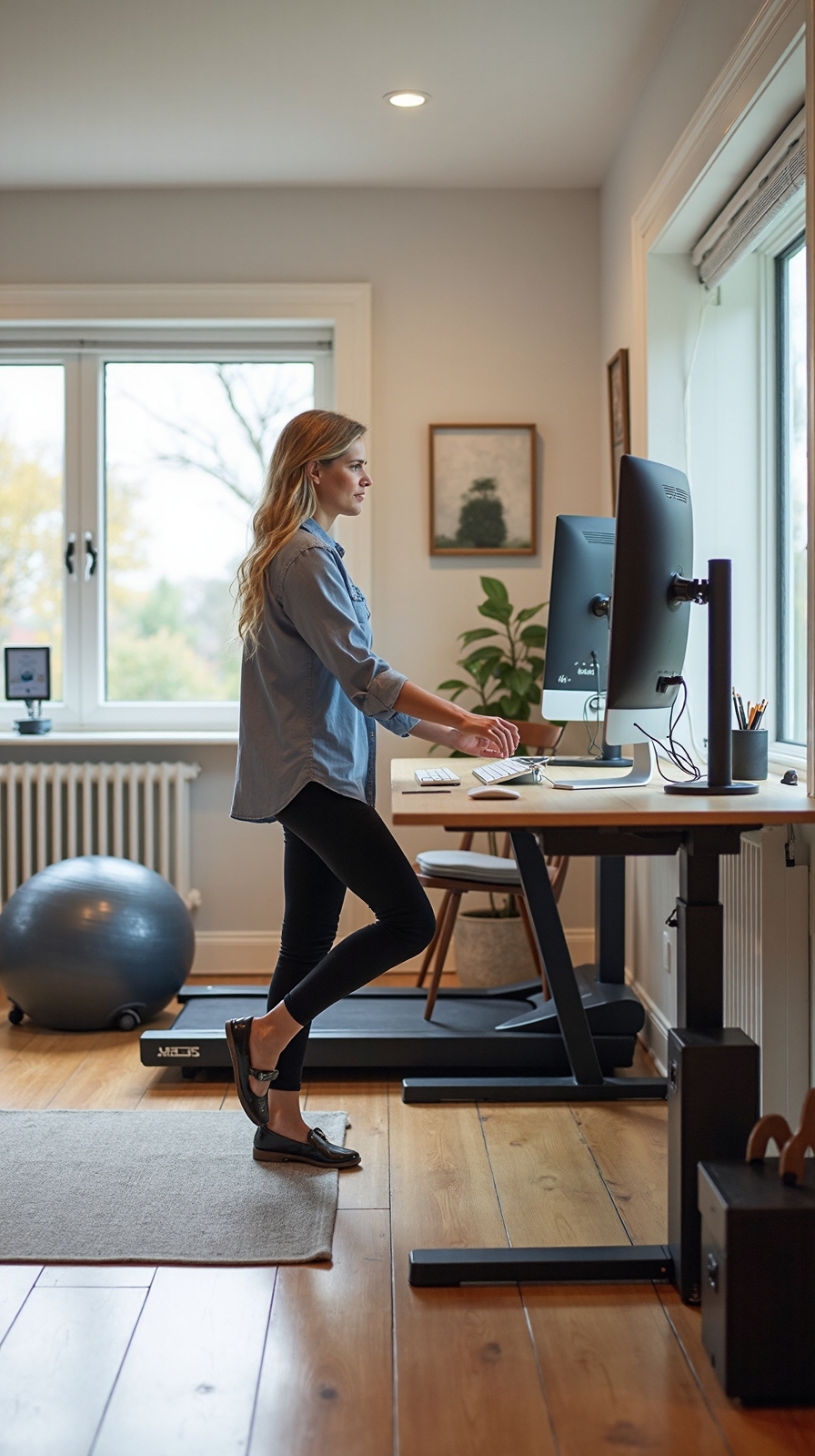
Your brain craves movement to liberate its full creative potential, making a sedentary workspace one of the biggest barriers to innovative thinking. Break free from traditional desk-bound setups by incorporating height adjustable workstations that let you alternate between sitting and standing throughout your day.
Position your primary work surface where you can easily shift positions without disrupting your workflow. Create clear pathways around your office that invite pacing during phone calls or brainstorming sessions. Install a whiteboard on an opposite wall to encourage you to stand and move while capturing ideas.
Smart ergonomic furniture choices include rolling carts for supplies and swivel chairs that promote natural body movement. Add a comfortable reading nook away from your desk to change your physical outlook when tackling complex problems.
Incorporate Technology That Seamlessly Integrates With Your Workflow
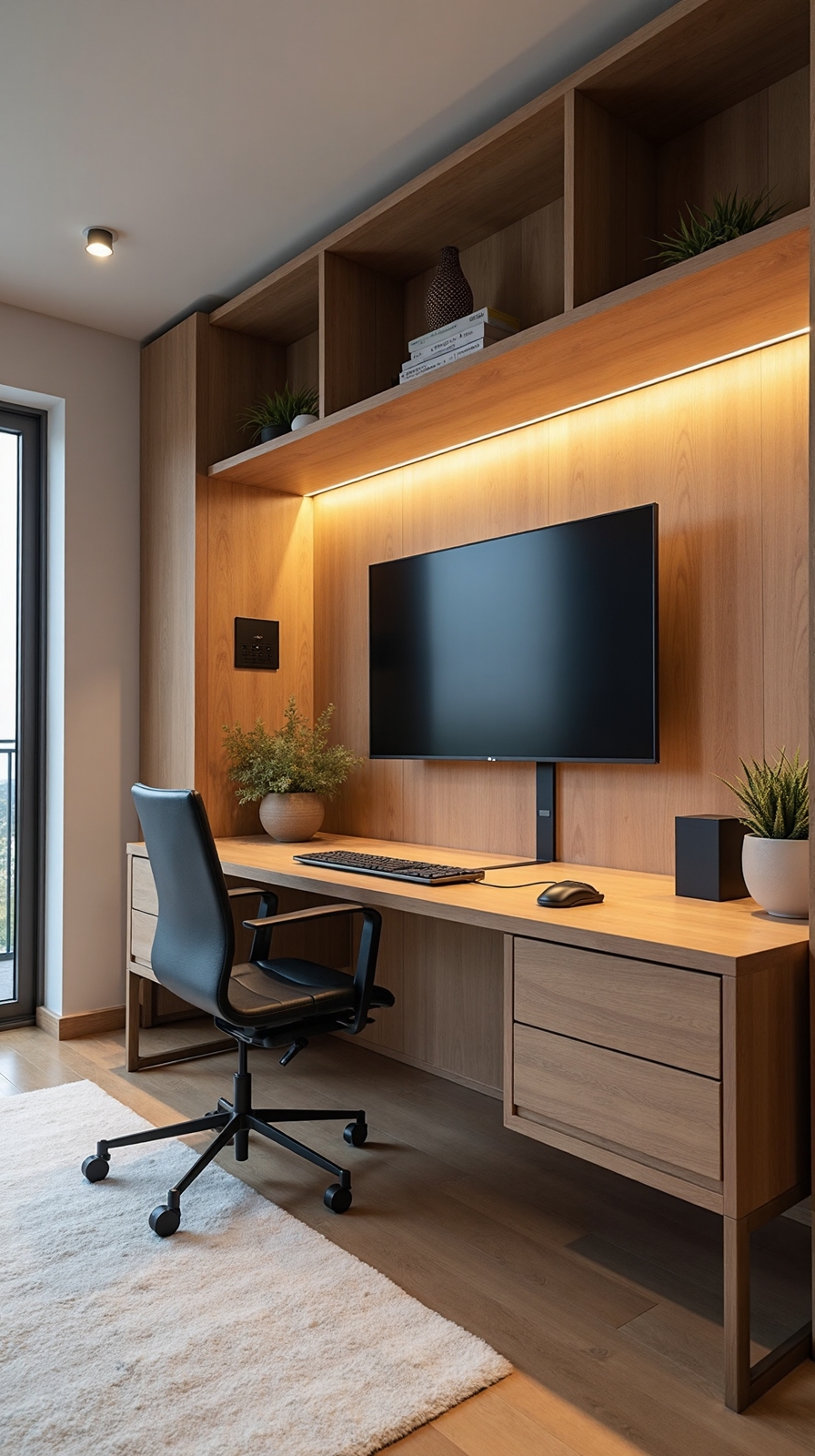
Movement-friendly workspaces reach their full potential when paired with smart technology solutions that adapt to your changing positions and work styles. Voice activated controls let you adjust lighting, temperature, and music without interrupting your creative flow or breaking concentration. Position wireless charging stations at multiple desk levels so your devices stay powered whether you’re sitting or standing.
Install adjustable monitor arms that follow your movements seamlessly throughout the day. Smart speakers respond to voice commands from anywhere in your office, giving you hands-free control over calls and tasks. Cable management systems keep cords organized as you shift between different work positions.
These tech integrations eliminate friction from your workflow, allowing you to focus on what matters most: your creative output and innovative thinking.
Build Personal Inspiration Displays Throughout Your Space
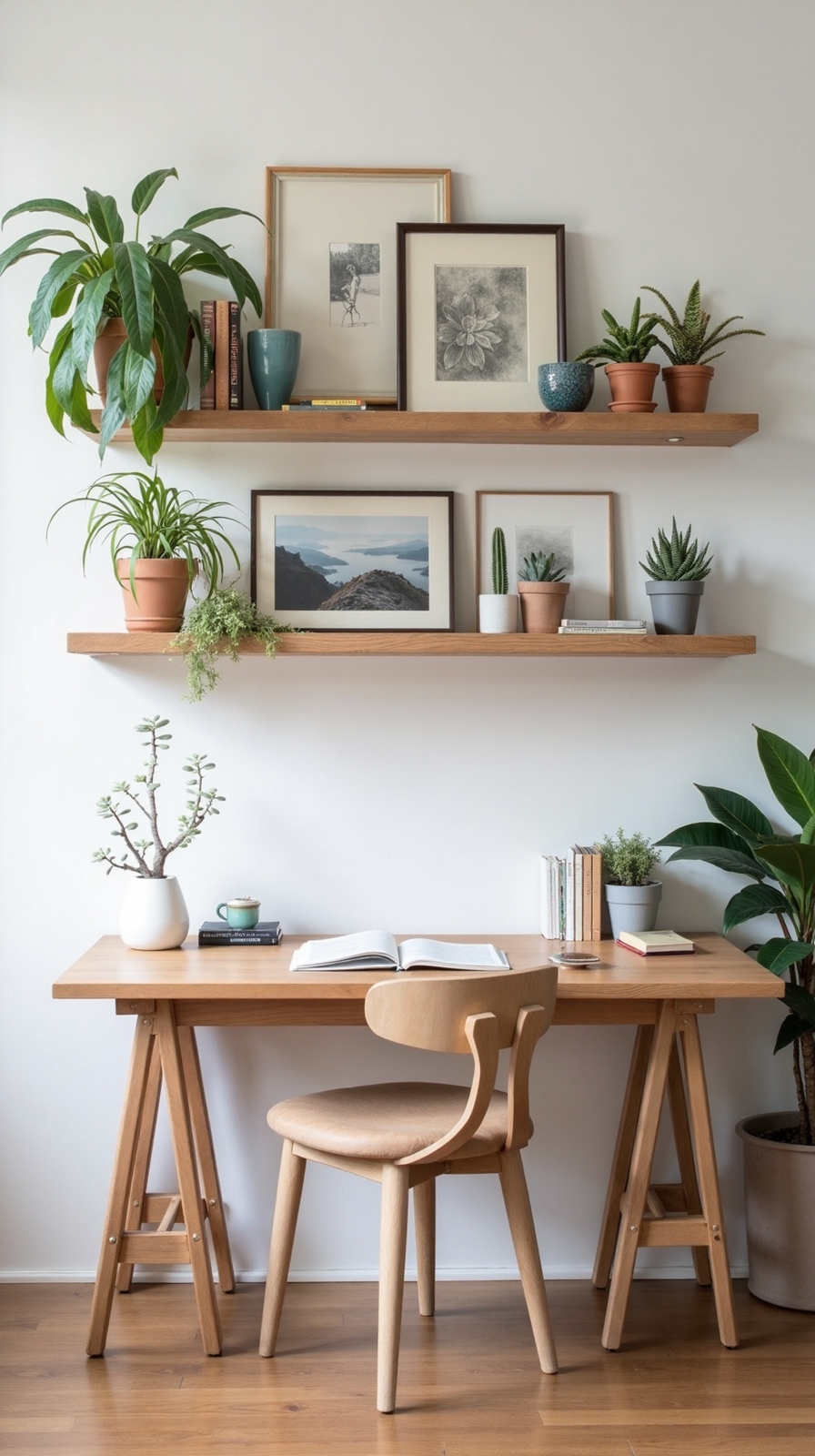
Visual cues of your goals, achievements, and creative aspirations convert any home office into a personal motivation hub that fuels daily productivity. Display mood boards featuring images that represent your professional dreams, whether they’re magazine clippings of destinations you’ll visit after completing major projects or photos of role models who’ve achieved similar success.
Incorporate personal mementos like certificates, awards, or meaningful objects from significant life moments throughout your workspace. Position these items where you’ll naturally see them during work sessions. Create themed sections using floating shelves or cork boards to organize different inspiration categories.
Mix professional accomplishments with personal victories to maintain balance. This approach modifies your office walls into a powerful visual reminder of your capabilities and future potential.
Create Climate and Air Quality Systems for Optimal Brain Function
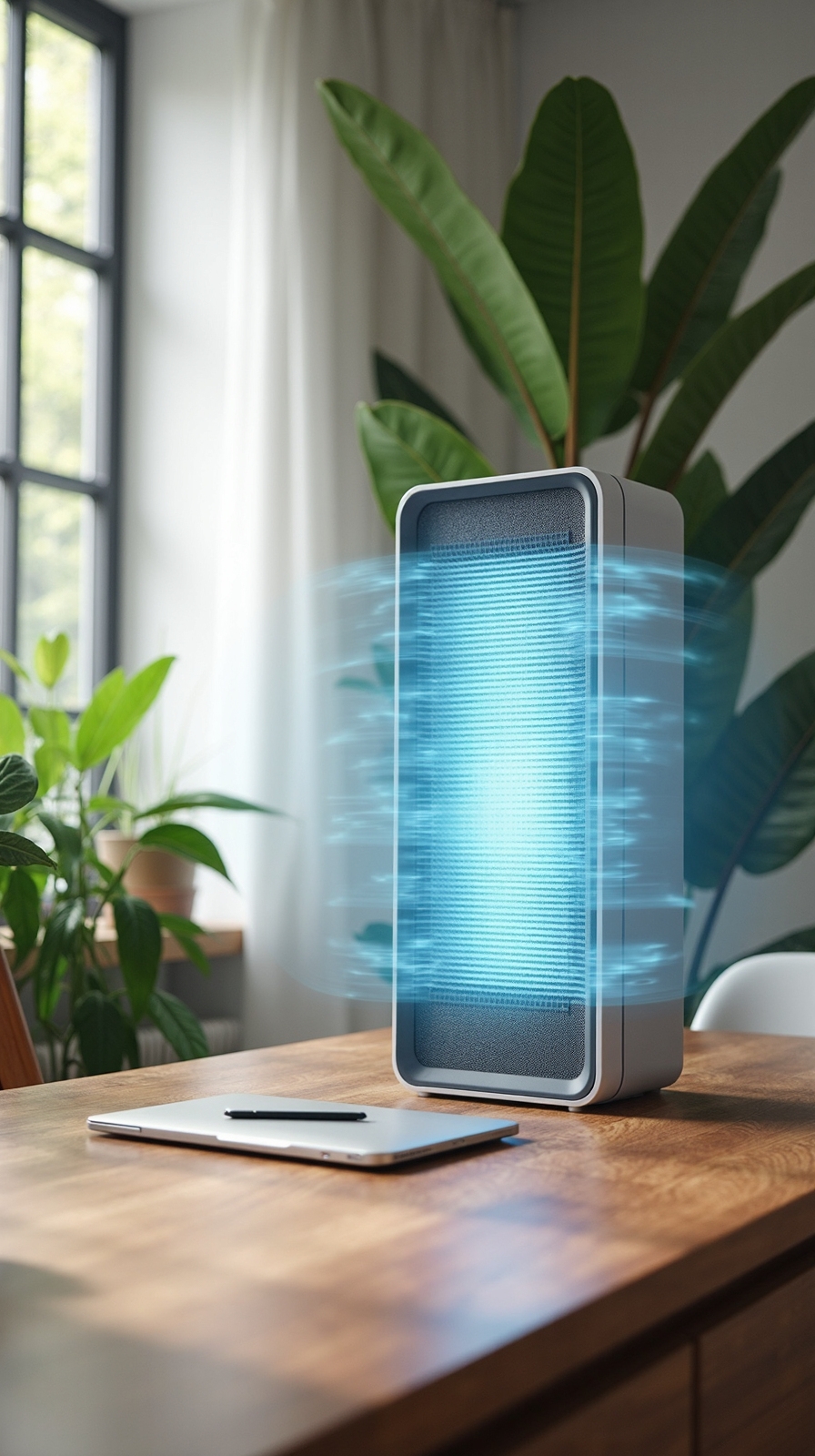
Beyond the visual elements that inspire you daily, the invisible environment surrounding your workspace plays an equally important role in maintaining peak mental performance. Your brain functions best when it’s receiving clean, properly conditioned air at ideal temperatures.
Install air purification systems with HEPA filters to remove dust, allergens, and pollutants that can cloud your thinking. Position plants like snake plants or peace lilies near your desk to naturally filter toxins while adding oxygen to your space.
Implement temperature regulation strategies by setting your thermostat between 68-72°F for maximum cognitive function. Use a small desktop fan for personal airflow control, or invest in a smart thermostat that maintains consistent conditions throughout your workday. These environmental adjustments create the foundation for sustained focus and creative breakthroughs.
Establish Clear Boundaries Between Work and Personal Space
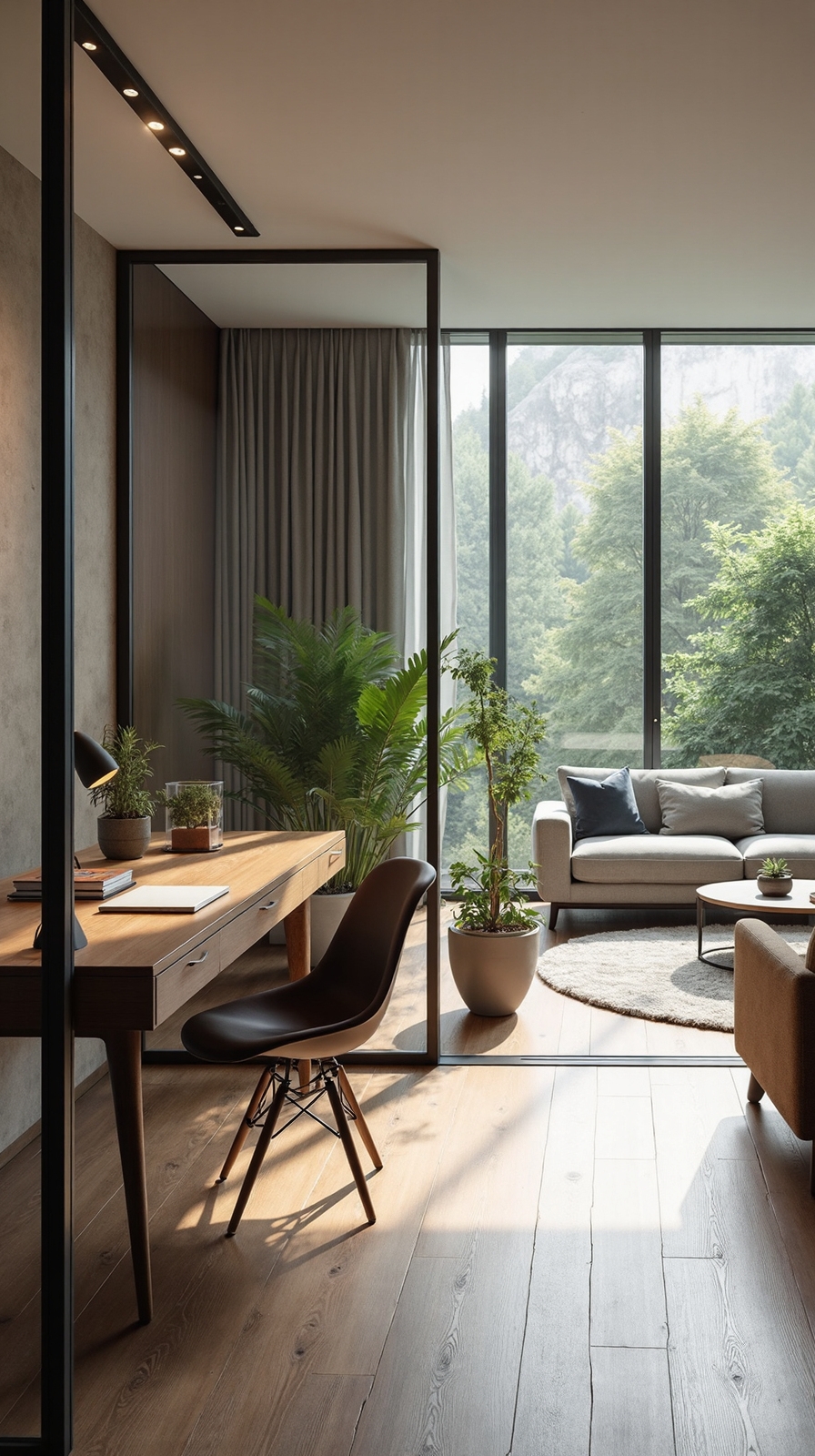
When you work from home, your living space can quickly become an all-consuming office that never truly “closes” for the day. You’ll need deliberate strategies to separate your professional and personal environments.
Start by creating physical dividers using bookcases, curtains, or folding screens to define your workspace boundaries. This visual separation signals when you’re “at work” versus relaxing at home.
Implement zoned storage options that keep office supplies contained within your designated work area. Use drawer organizers, filing cabinets, and desk caddies to prevent work materials from spreading throughout your home.
Establish personal relaxation areas completely free from work-related items. Whether it’s a reading nook or meditation corner, these spaces should remain sacred for unwinding and mental restoration after your workday ends.
Conclusion
You’ve got the blueprint for creating a home office that truly supports your biggest ideas and ambitions. Start with one or two elements that harmonize most with your work style, then gradually build your inspiring workspace. Remember, your environment directly impacts your thinking, creativity, and productivity. By implementing these strategies thoughtfully, you’ll create a personalized sanctuary that enables you to achieve your professional goals and open up your full potential every single day.