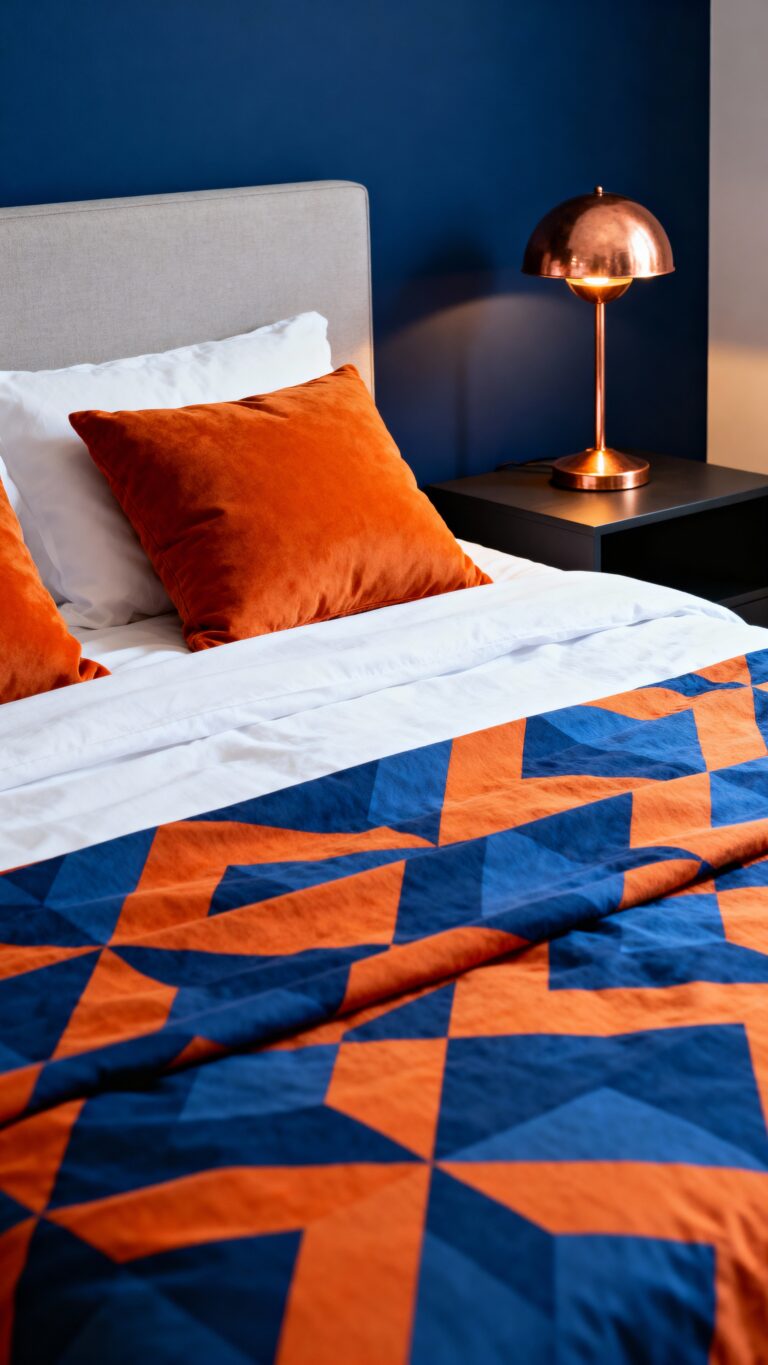
How To Decorate A Small Bedroom
Decorating a small bedroom can feel like solving a puzzle, but the right strategies make it surprisingly manageable. You don’t need a large space to create a room that feels open, organized, and stylish. From choosing the right color palette to selecting furniture that works twice as hard, every decision plays a role in how…
Decorating a small bedroom can feel like solving a puzzle, but the right strategies make it surprisingly manageable. You don’t need a large space to create a room that feels open, organized, and stylish. From choosing the right color palette to selecting furniture that works twice as hard, every decision plays a role in how spacious your room feels. The solutions are simpler than you’d expect, and what comes next might change how you see your space entirely.
Start With a Floor Plan That Works for Your Space
Before you buy a single piece of furniture, you’ll want to map out your bedroom’s floor plan. Measure your room carefully, noting every door, window, and outlet. This simple step saves you from costly mistakes later. Place your bed strategically to maximize natural light, keeping windows clear and unobstructed. You’ll find that smart placement instantly makes the space feel larger and more open. Next, identify areas where you can employ multifunctional furniture, like a storage ottoman or a bed with built-in drawers. These choices give you freedom to live comfortably without sacrificing precious square footage.
Choose a Color Palette That Makes Small Bedrooms Feel Bigger
Color is one of the most powerful tools you’ll use to make your small bedroom feel spacious and inviting. Light, neutral tones reflect natural light and visually expand your walls. Consider these room-opening color strategies:
- Soft whites and creams brighten every corner effortlessly
- Cool grays create calm, airy atmospheres
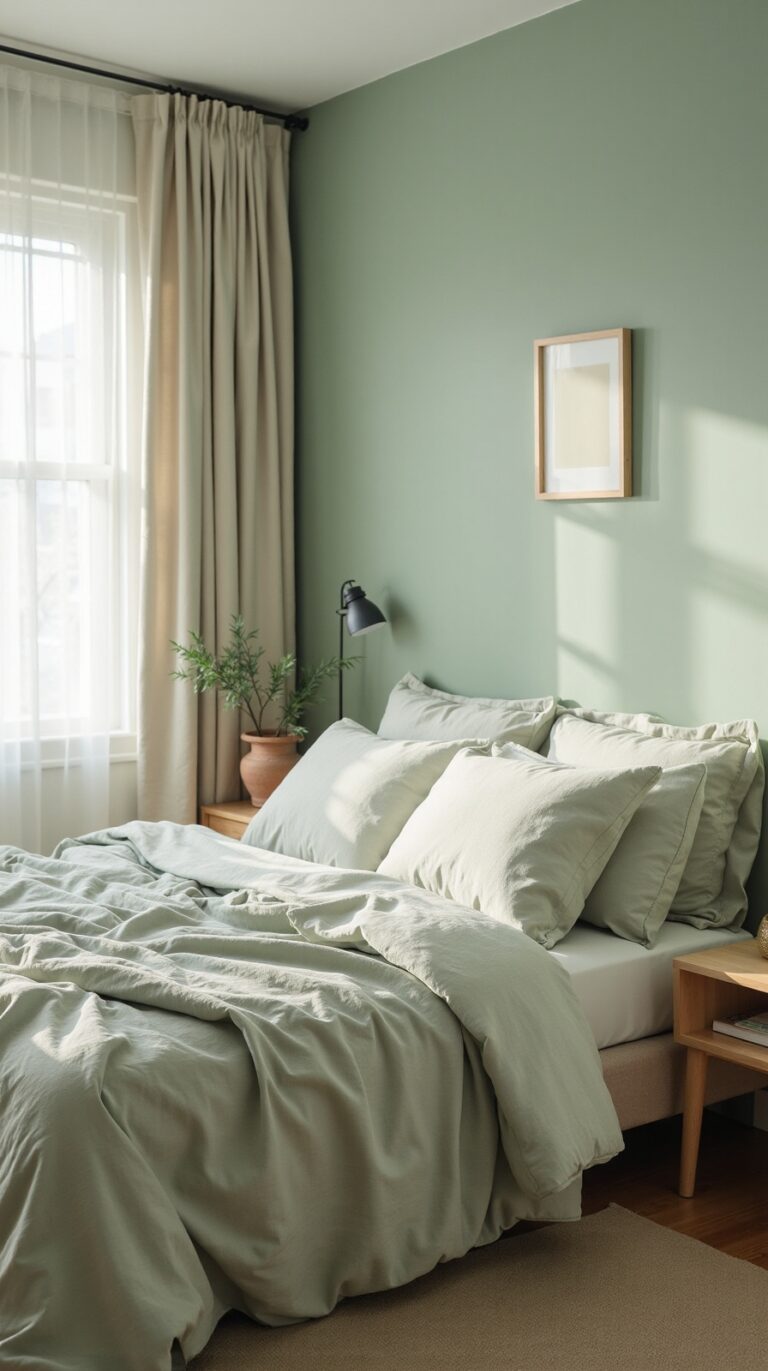
- Pale blues and greens mimic open, natural spaces
- Accent walls add depth without overwhelming the room
- Minimal accessories in coordinating tones keep things clean
You don’t need bold, busy colors to express your style. Strategic color choices give you a bedroom that breathes freely and feels intentionally designed.
Pick Furniture That Pulls Double Duty
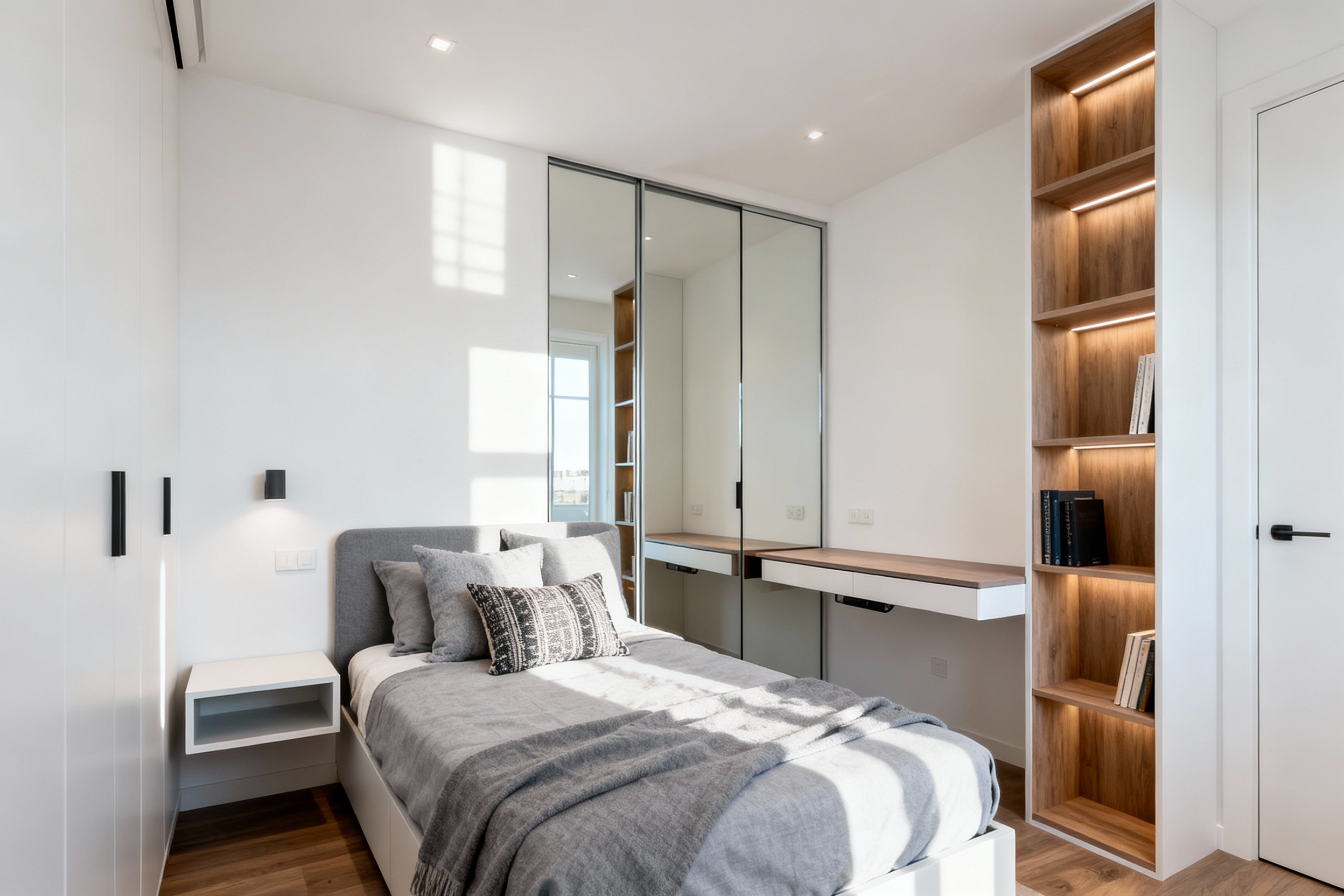
In a small bedroom, every piece of furniture needs to earn its place by serving more than one purpose. You’ll maximize your space by choosing convertible furniture pieces, like beds with built-in storage drawers underneath. These smart selections free up precious floor space you’d otherwise waste on separate dressers. Dual purpose nightstands with shelves or drawers replace bulky standalone storage units entirely. You can also consider ottomans that open up for extra storage while providing seating. Each furniture choice you make should give you at least two distinct functions, keeping your bedroom open, flexible, and completely clutter-free.
Use Vertical Space to Free Up the Floor
When decorating a small bedroom, you’ll find that your walls are one of your most underemployed assets. Going vertical lets you maximize storage options without sacrificing precious floor space. You’ll reclaim your room and finally breathe freely again.
Mount floating shelves above your desk or dresser
Install tall bookshelves that reach near the ceiling
Use pegboards for organizing accessories and small items
Hang hooks near doors for bags and accessories
Stack wall-mounted baskets for folded clothing storage
Your floor stays clear, and your room feels instantly larger.
The Right Lighting Can Make a Small Bedroom Feel Spacious
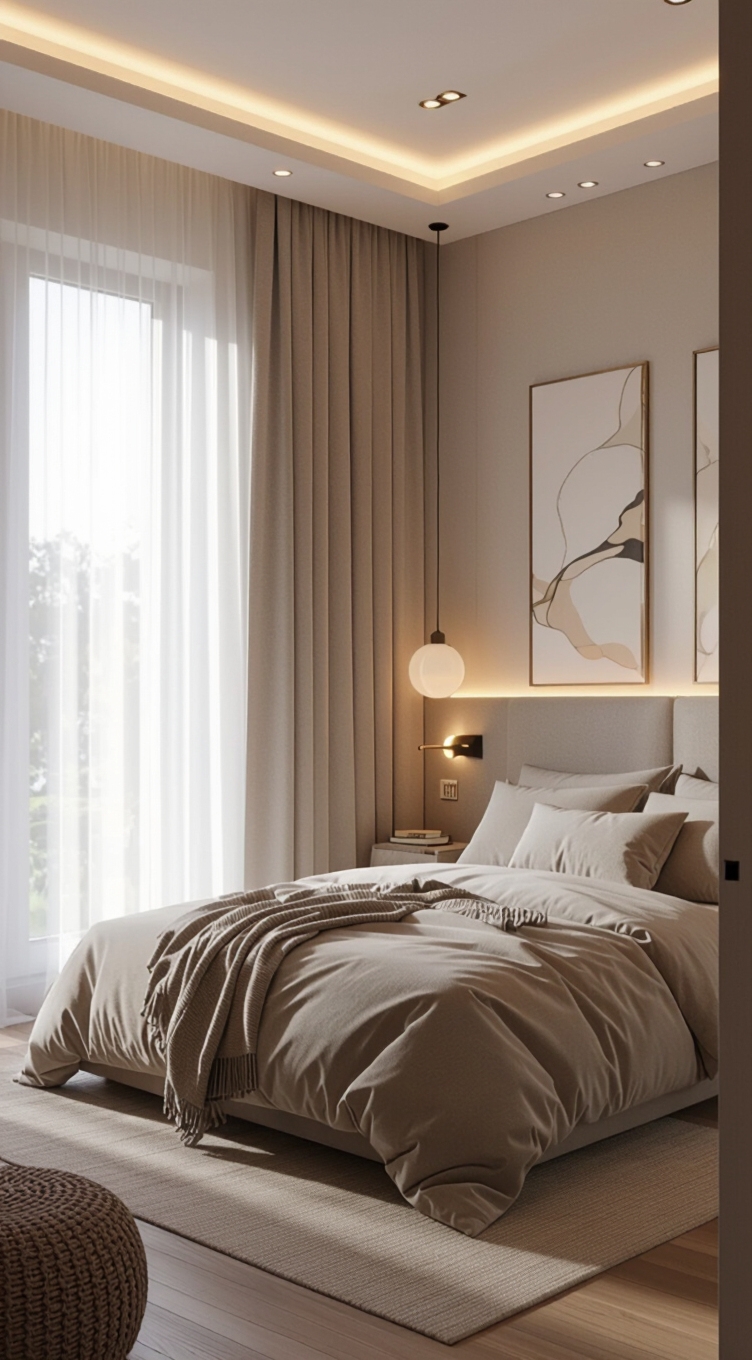
Lighting does more for a small bedroom than most people realize, and it’s one of the easiest upgrades you can make. Swap harsh overhead fixtures for indirect lighting, which bounces light off walls and ceilings to create a softer, more open feel. Wall sconces are a smart choice because they free up nightstand space while drawing the eye upward. Layering multiple light sources gives you full control over your room’s atmosphere. Use dimmer switches to shift from bright, energizing light to a calm, relaxing glow whenever you want it.
Layer Textures and Patterns Without Overwhelming the Room
Once you’ve got your lighting sorted, the next step is bringing warmth and personality into the room through texture and pattern. You don’t need to sacrifice style just because your space is small. Instead, layer thoughtfully to balance color palette and incorporate natural materials without crowding the room.
- Mix linen, cotton, and wood for grounded, organic warmth
- Stick to two or three complementary colors maximum
- Use patterned throw pillows to add visual interest sparingly
- Choose woven baskets or jute rugs as functional texture
- Repeat one pattern in small doses throughout the room
Smart Storage Solutions That Keep Clutter Out of Sight
Even the most beautifully decorated small bedroom can feel chaotic without a smart storage strategy in place. Concealed under bed storage gives you back precious floor space while keeping everyday items neatly tucked away. Choose rolling bins or lift-top bed frames to maximize this often-overlooked zone. Strategically placed shelving transforms bare walls into functional storage without eating into your floor plan. Mount shelves above doorways or beside windows to free up surface areas below. You’ll reclaim breathing room in your space, creating an environment that feels open, organized, and entirely your own.
Small Bedroom Décor Mistakes That Make Spaces Feel Cramped
With smart storage keeping your clutter under control, your next focus should be avoiding the common décor mistakes that make small bedrooms feel even smaller. These missteps quietly steal your freedom and visual space.
Watch out for these common pitfalls:
- Hanging curtains too low, which shortens your walls visually
- Skipping the strategic use of mirrors to expand light and depth
- Choosing bulky furniture that dominates every corner
- Overlooking multi-purpose decorative accents that serve double duty
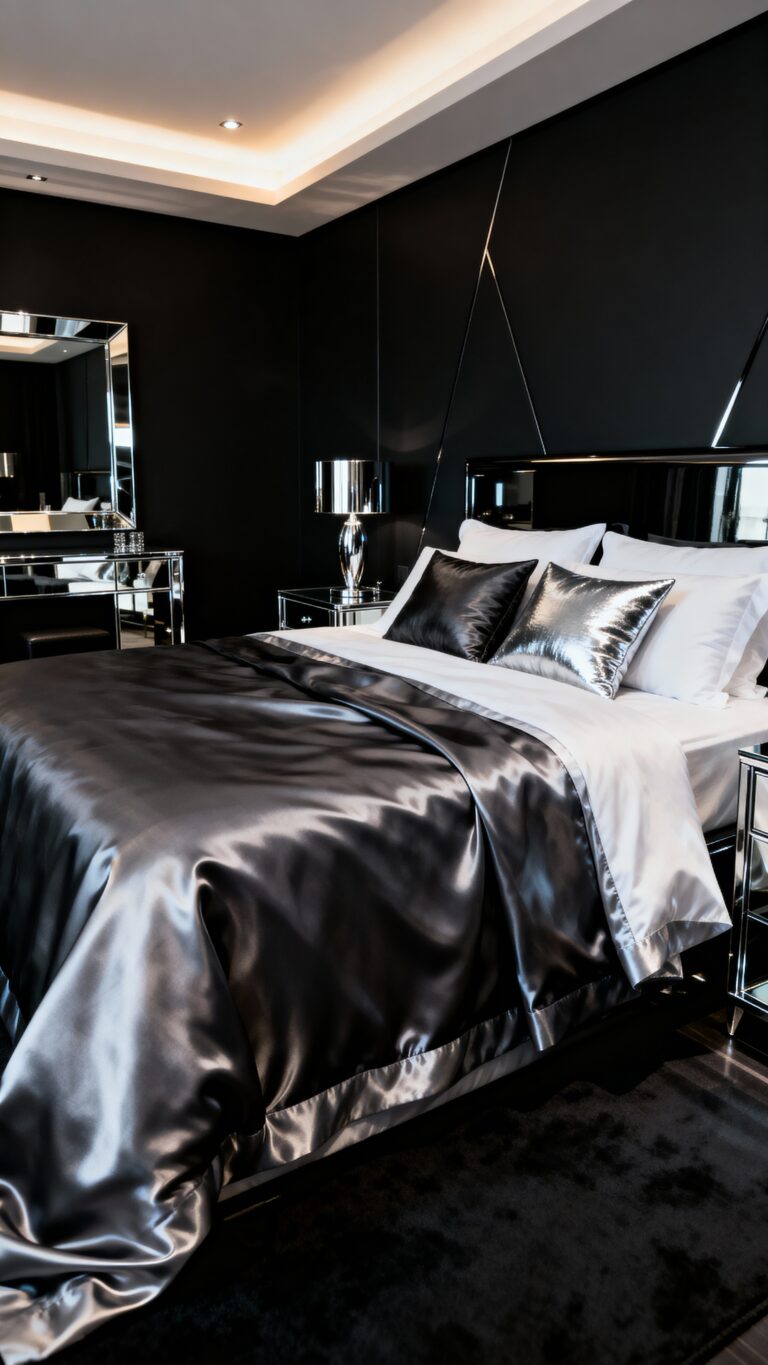
- Using dark, heavy color palettes that close in your space
Avoiding these mistakes helps your room breathe freely and feel intentionally designed.
Conclusion
Decorating a small bedroom doesn’t have to feel overwhelming or impossible. You’ve got all the tools you need to alter your space into something functional and beautiful. Start with a smart floor plan, choose light colors, and pick furniture that works harder for you. Use vertical storage, layer textures carefully, and let thoughtful lighting do the heavy lifting. Avoid common mistakes, and you’ll create a bedroom that feels open, organized, and completely yours.