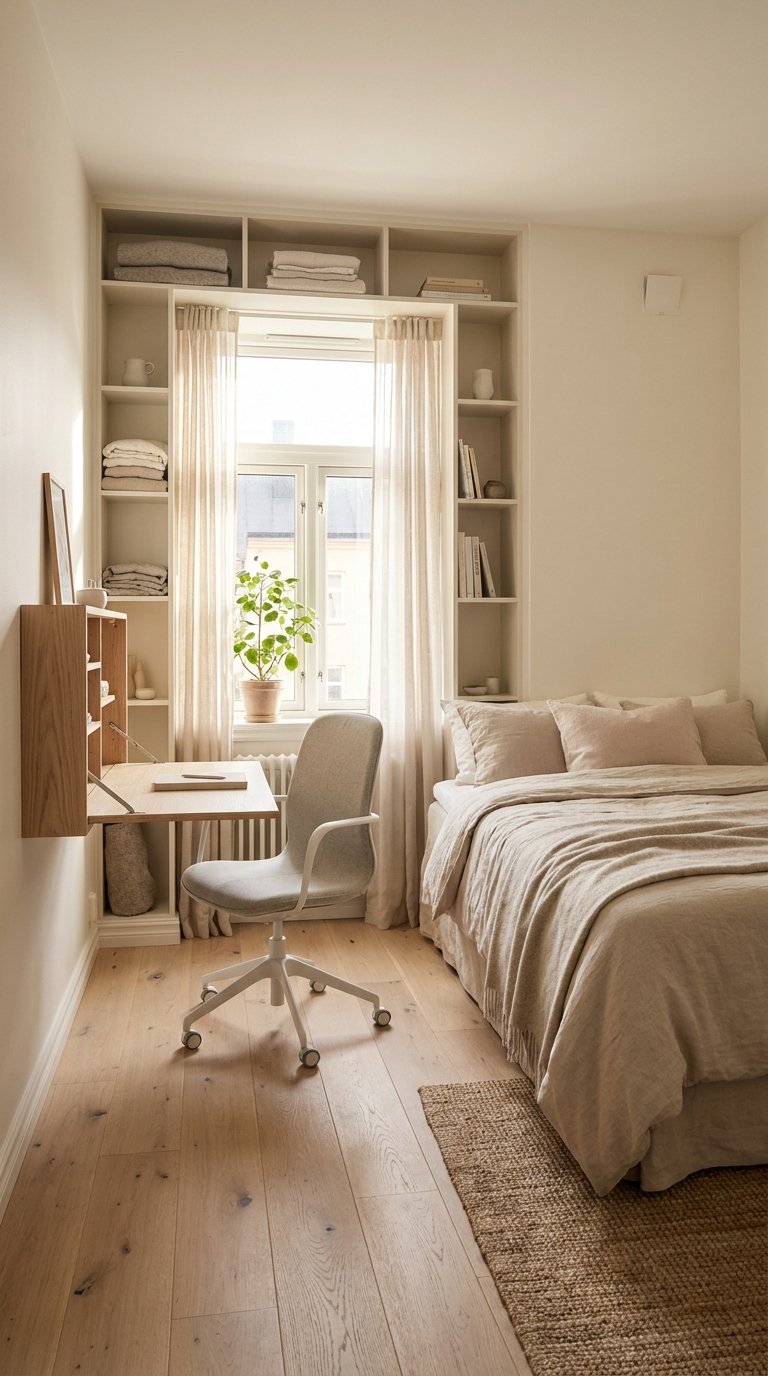
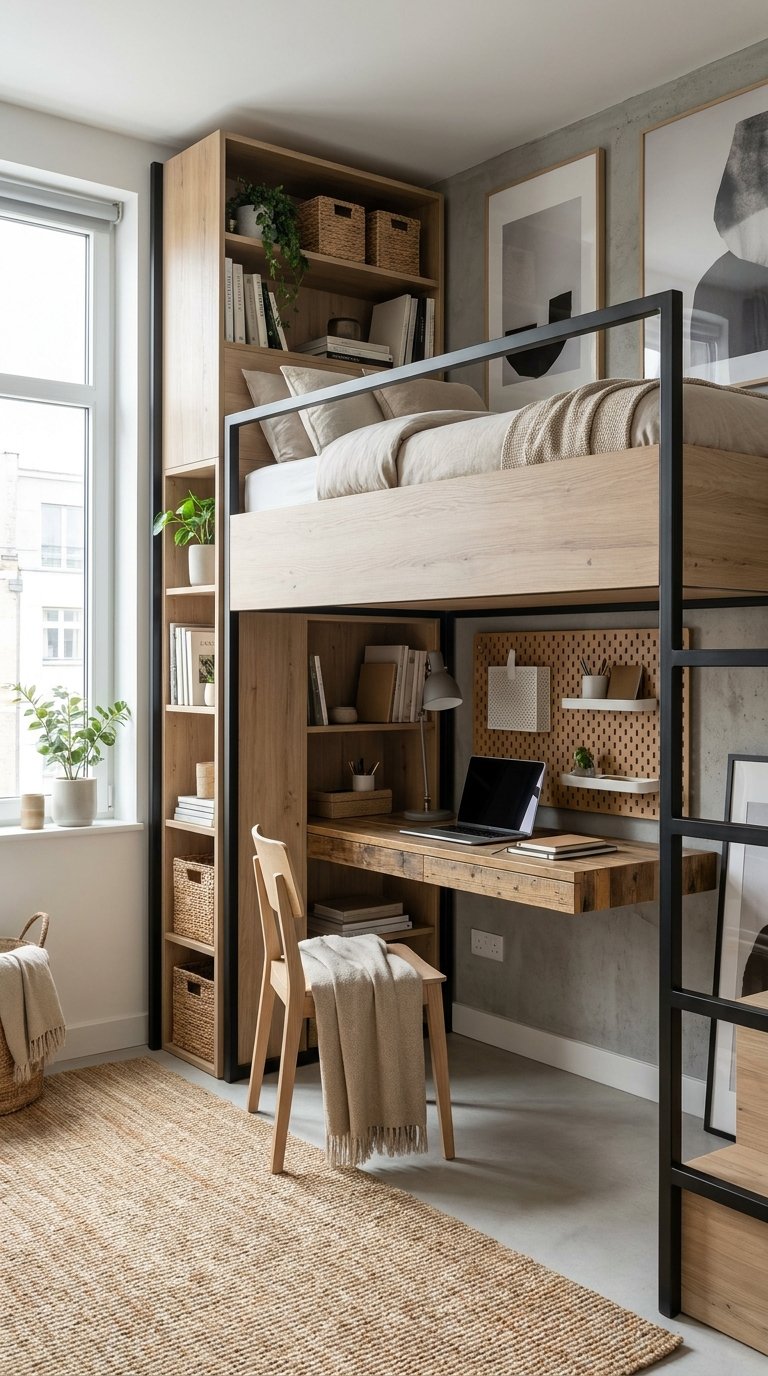
10 Small Attic Bedroom Ideas With Creative Charm
Transform cramped attic spaces into stunning bedrooms with clever design tricks that maximize every inch of your sloped sanctuary.
You’ve got a sloped-ceiling attic space that’s crying out for alteration, but those awkward angles and limited headroom make you wonder if it’s even possible. Your attic bedroom can become the most charming retreat in your home with the right design strategies. Smart storage solutions, clever furniture placement, and strategic lighting will turn those challenging structural features into stunning design assets that maximize every square foot of your unique space.
Incorporate Vertical Storage Solutions
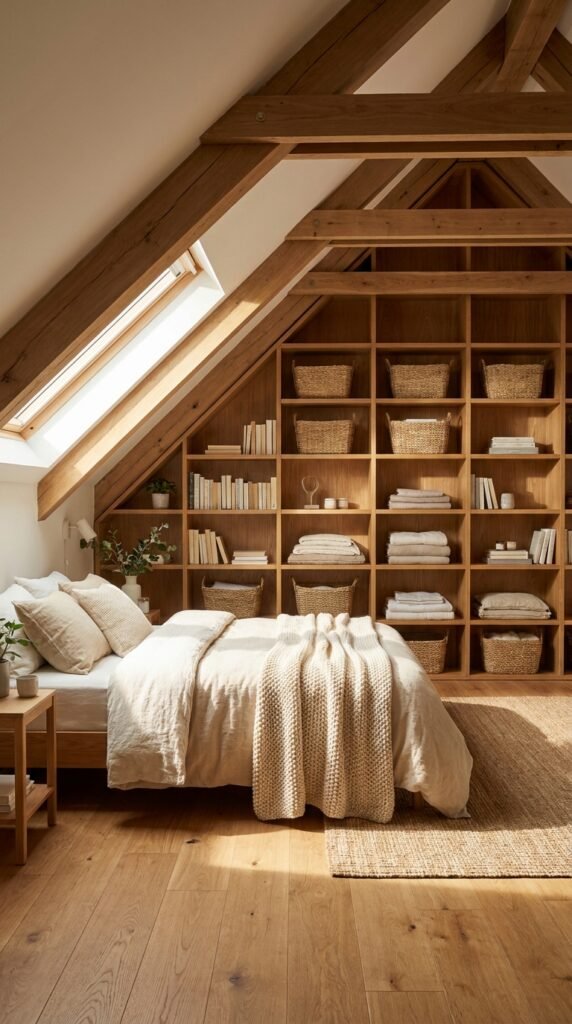
Since attic bedrooms naturally feature slanted ceilings and awkward angles, you’ll need to think vertically to maximize every square inch of available space. Start by installing floor-to-ceiling shelving units along the tallest walls, creating storage that draws the eye upward while keeping belongings organized and accessible.
You can maximize floor to ceiling shelving by choosing adjustable systems that adapt to your attic’s unique dimensions. Install narrow units between structural beams or along knee walls where traditional furniture won’t fit.
Next, incorporate recessed built in cabinets wherever possible, especially in areas with limited headroom. These custom solutions employ dead space behind walls and under eaves, providing hidden storage for seasonal clothing, bedding, and personal items without encroaching on your movement space.
Design Custom Closets for Awkward Angles
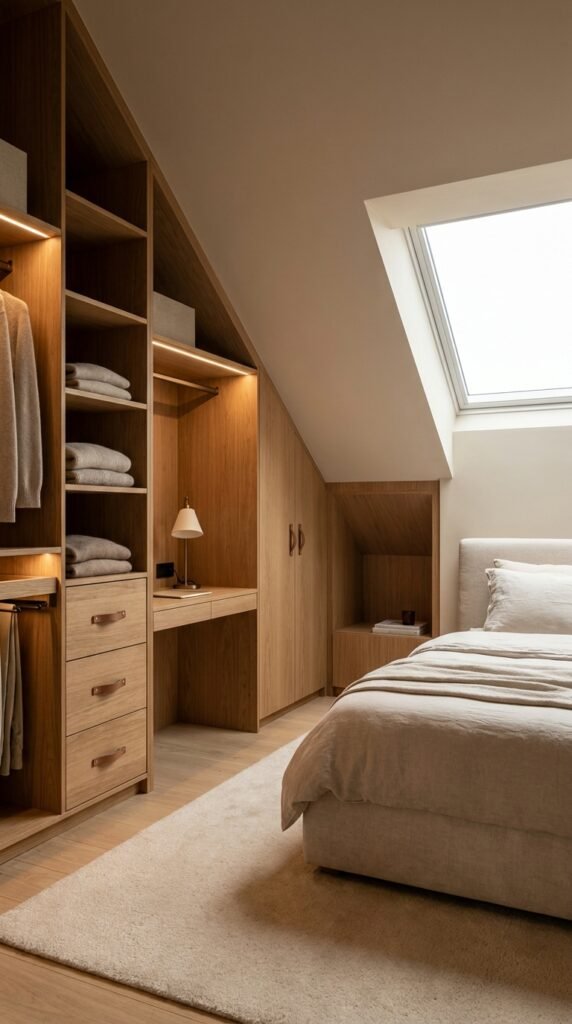
Custom closets redesign attic bedrooms’ most challenging spaces into highly functional storage areas that work with your room’s unique structural characteristics. You’ll transform slanted walls and odd corners into purposeful storage solutions that complement your space’s natural architecture.
Install angled shelving units that follow your roofline’s slope, creating compartments for folded clothes and accessories. Maximize hanging space with tiered rods at different heights to accommodate various garment lengths while working around low ceiling areas.
Utilize custom drawer organizers within built-in units to keep smaller items sorted and accessible. Consider pull-out shoe racks that slide under eaves and rotating corner units that make awkward spaces functional.
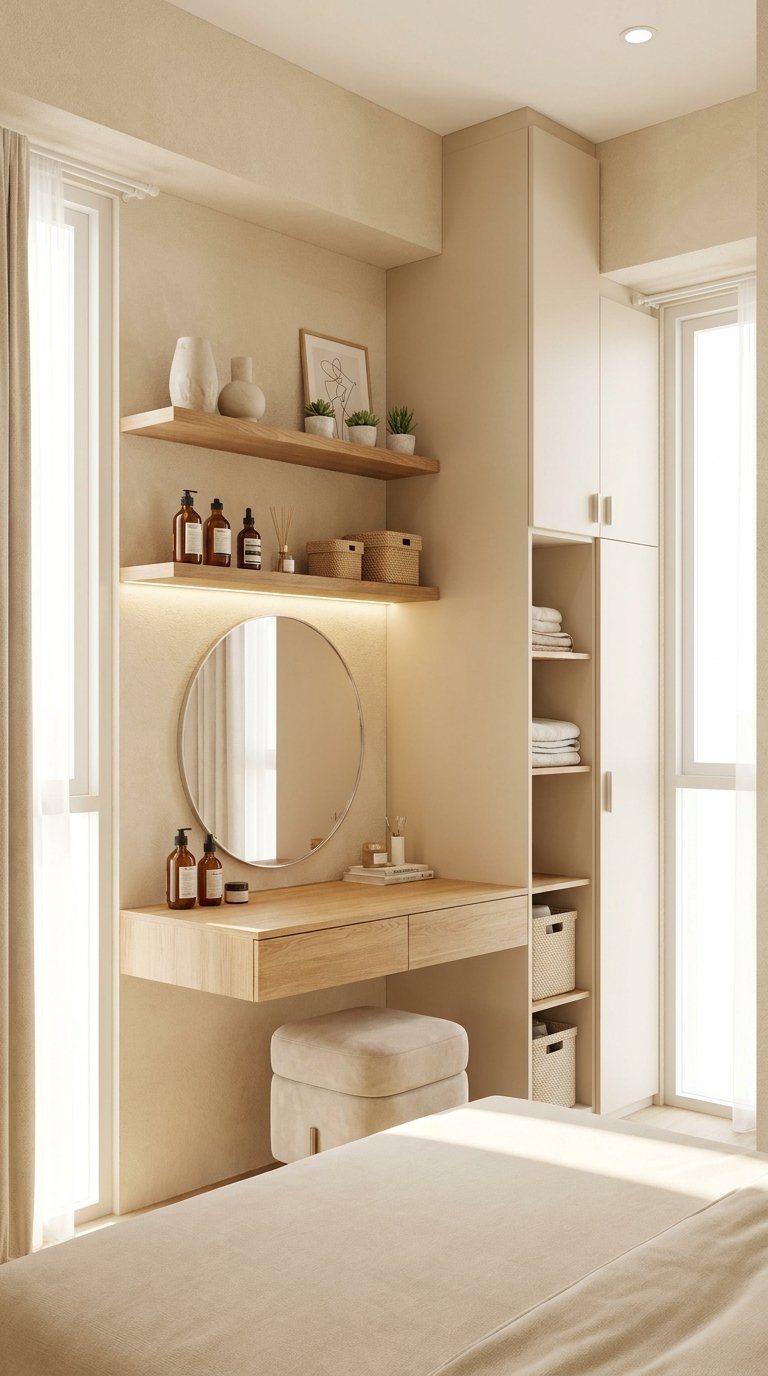
Design floor-to-ceiling solutions that incorporate both open shelving and closed storage, giving you flexibility to display items while hiding clutter behind clean cabinet doors.
Layer Lighting for Ambiance and Task Illumination
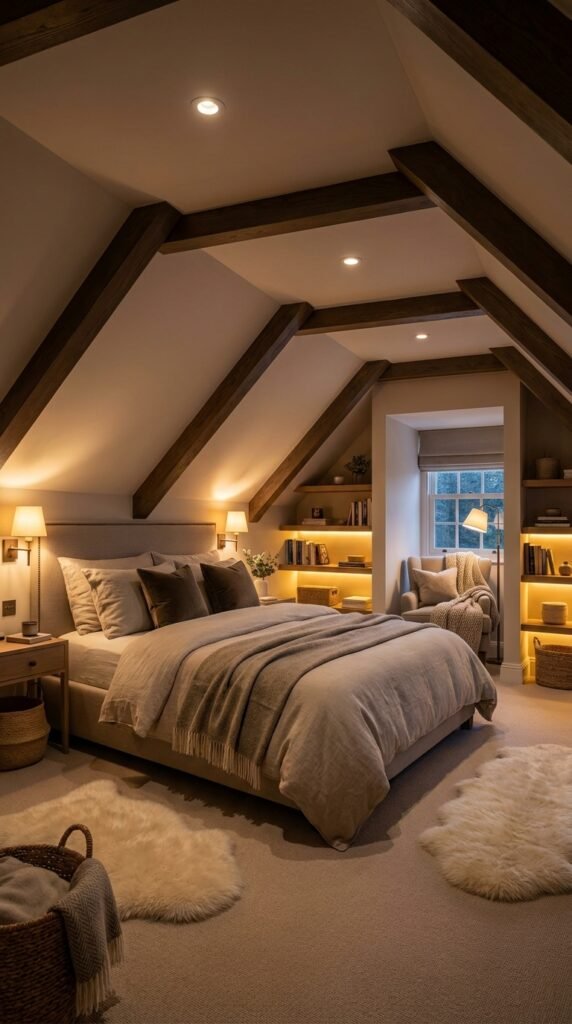
Strategic lighting modifies cramped attic bedrooms into warm, inviting retreats by combining multiple light sources that address both practical needs and atmospheric comfort.
Start with overhead recessed lights positioned away from sloped ceilings to prevent shadows. You’ll want pendant lights or track lighting along the room’s center where ceiling height permits maximum illumination.
Add bedside table lamps or wall-mounted sconces for reading tasks. These fixtures free up precious surface space while providing focused light exactly where you need it.
Accent lighting creates depth and visual interest throughout your space. Install LED strip lights under built-in shelving or behind headboards to illuminate nooks and highlight architectural features.
Consider floor lamps in corners where ceiling fixtures can’t reach effectively. Dimmer switches on all circuits let you adjust brightness levels for different activities and moods.
Use Mirrors Strategically to Reflect Light
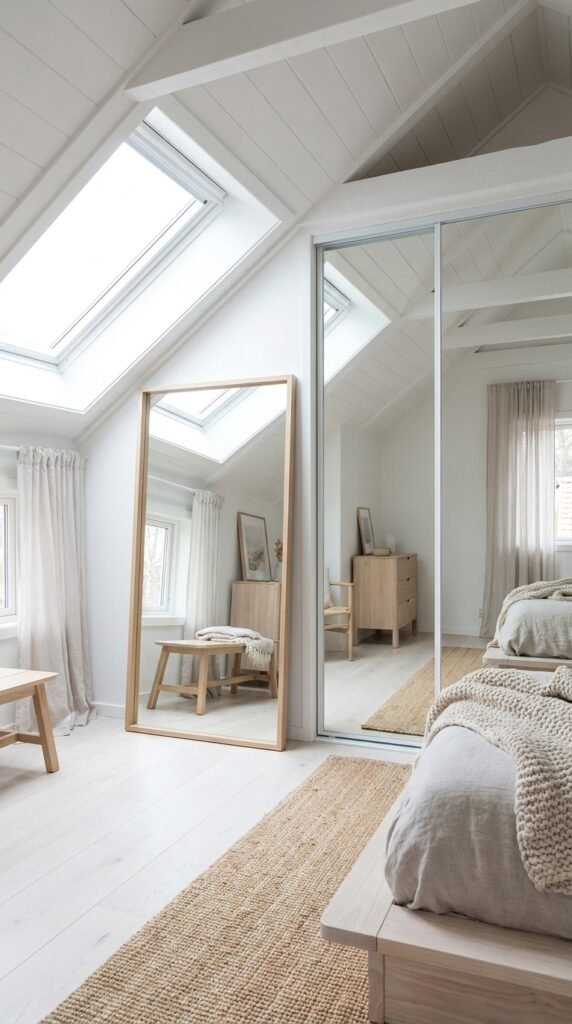
Once you’ve established your lighting plan, mirrors become powerful allies that amplify every light source while making your attic bedroom feel dramatically more spacious. Position large mirrors directly across from windows to reflect light throughout your room and create the illusion of additional windows. This strategic placement doubles your natural light while expanding your visual boundaries.
Incorporate mirrored furniture pieces like nightstands, dressers, or wardrobes that serve dual purposes without cluttering your space. Mirrored closet doors work exceptionally well in attic bedrooms, reflecting light while hiding storage areas.
Place mirrors at angles that catch and bounce light into darker corners, particularly under sloped ceilings where shadows typically gather. Consider installing mirrored tiles on one accent wall to maximize light reflection while adding contemporary style to your retreat.
Choose Low-Profile Furniture Pieces
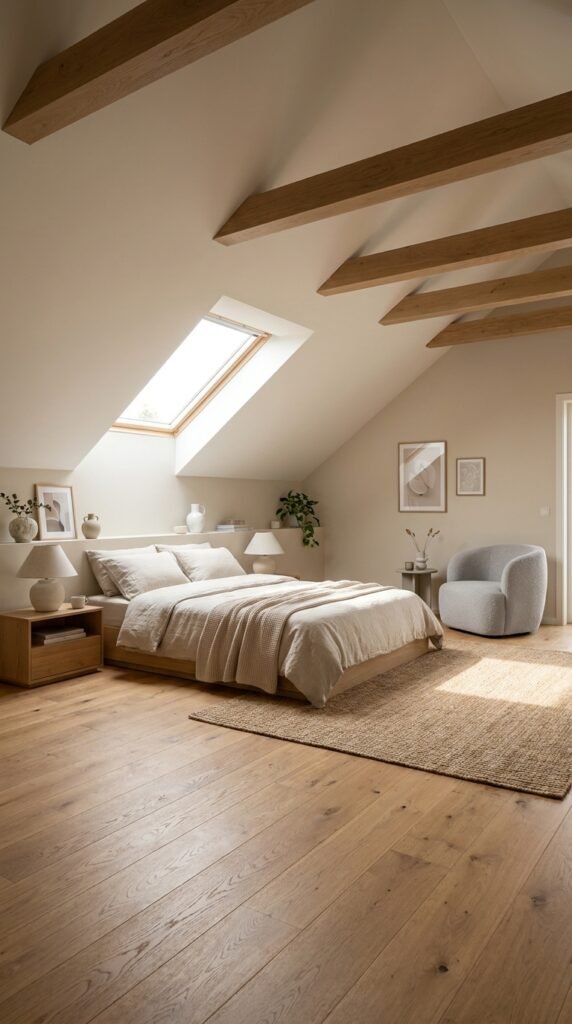
Low-profile furniture alters your attic bedroom’s cramped quarters into an airy, functional space that maximizes every inch of available headroom. You’ll observe that choosing pieces closer to the floor creates visual breathing room while maintaining essential functionality.
Select a low profile armchair that sits 24-26 inches high instead of standard 30-inch models. This choice provides comfortable seating without overwhelming your sloped ceiling areas. Position it near windows where headroom allows easy entry and exit.
Utilize low profile end tables measuring 18-20 inches in height to complement your reduced furniture scale. These pieces offer storage and surface space while keeping sight lines open across the room.
Consider platform beds, low dressers, and floor cushions to maintain this consistent approach throughout your space.
Create Visual Interest With Exposed Beams
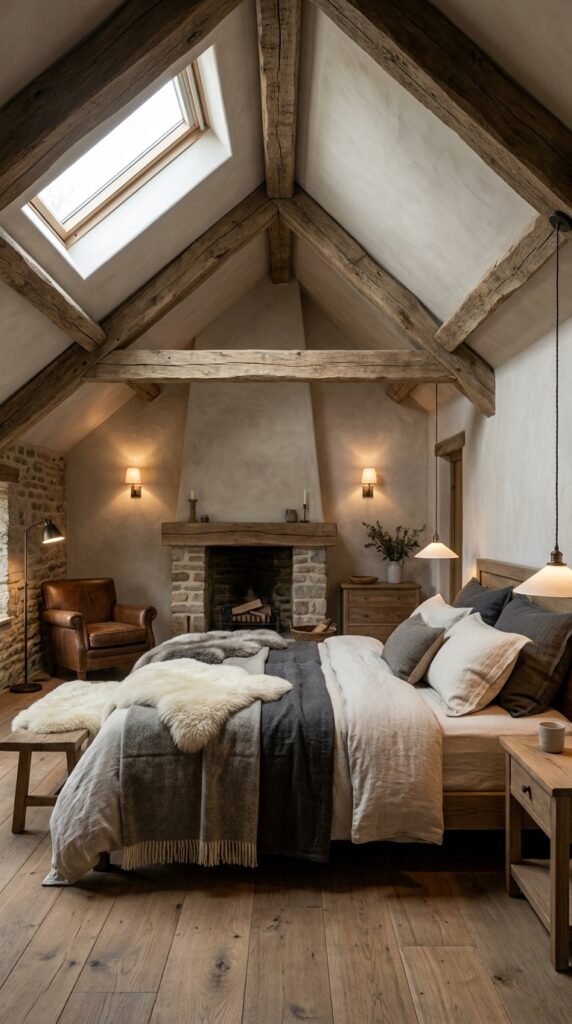
Exposed beams alter your attic’s structural necessities into riveting architectural elements that draw the eye upward and create changing visual depth. These natural features highlight architectural details that make your bedroom uniquely yours, converting cramped quarters into character-rich retreats.
You’ll add rustic appeal by embracing the beams’ original wood tones or painting them to match your design vision. Dark-stained beams create dramatic contrast against light walls, while whitewashed timber brings farmhouse charm to your space. Consider stringing fairy lights along beam edges for magical evening ambiance.
Position your bed to showcase the most impressive beam configurations, turning structural elements into natural headboard alternatives. Hang lightweight décor from sturdy beams, but avoid heavy items that compromise structural integrity. These architectural features become focal points that celebrate your attic’s distinctive character.
Install Wall-Mounted Nightstands to Save Floor Space
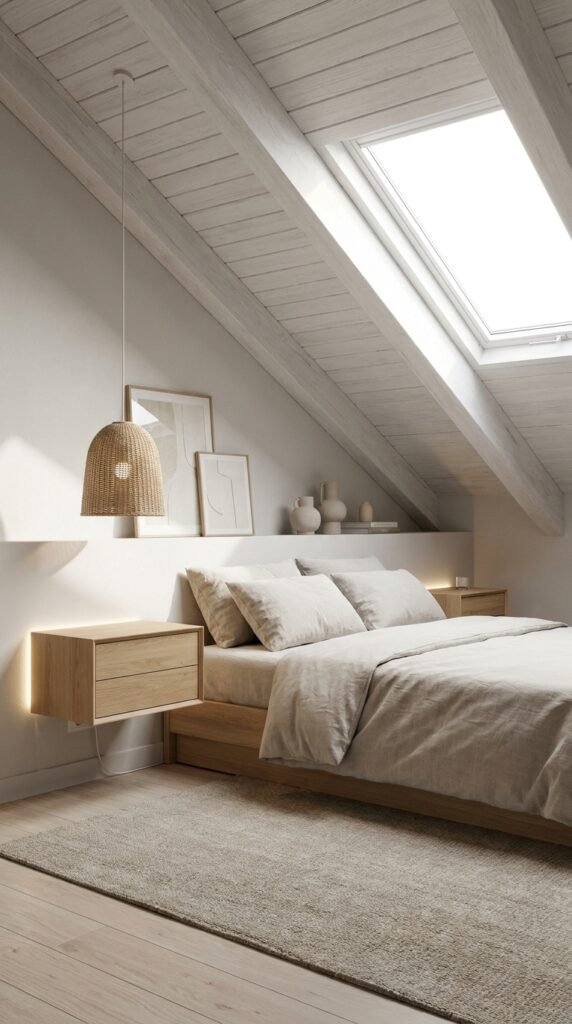
Wall-mounted nightstands alter your cramped attic bedroom by freeing up precious floor space while maintaining bedside functionality. You’ll uncover these space-saving solutions create an airy, uncluttered atmosphere that makes your room feel remarkably larger.
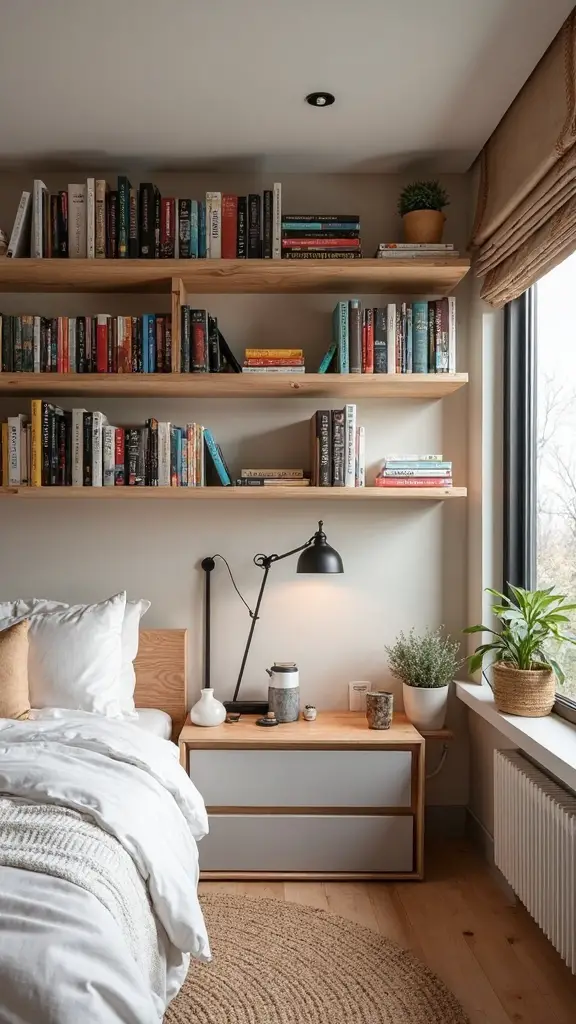
Choose floating shelves with built-in drawers for hidden storage of personal items like books, chargers, and medications. Position them at mattress height for easy access while lying down. Install wall mounted sconces directly above each nightstand to eliminate the need for table lamps, further maximizing your limited surface area.
Consider nightstands with integrated charging stations to keep cords organized and devices accessible. Mount them securely into wall studs to support weight safely. You’ll appreciate how this approach modifies your attic’s challenging layout into an efficient, organized retreat.
Add Texture With Cozy Textiles and Rugs
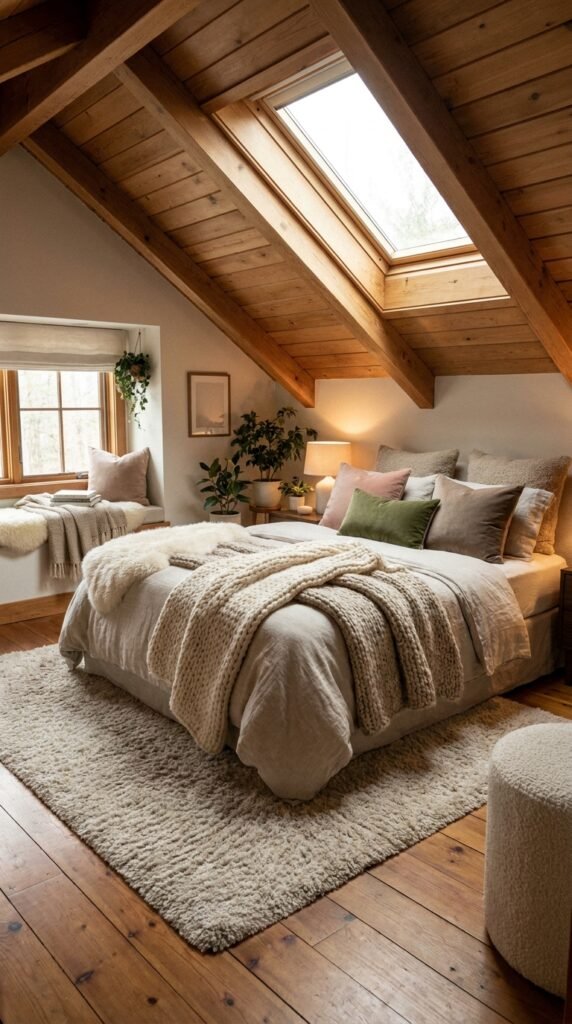
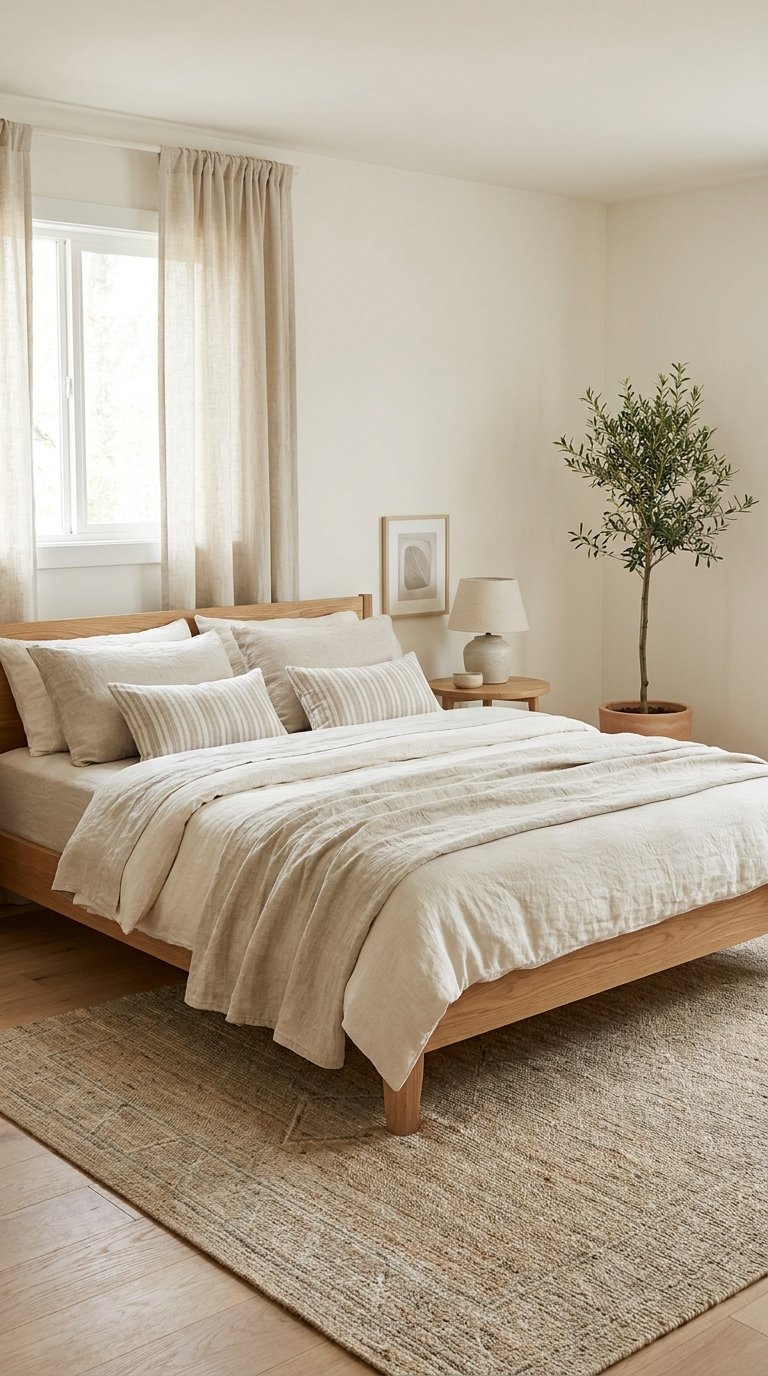
Layered textiles alter your small attic bedroom into a warm, inviting sanctuary that counteracts the room’s angular design and potentially cool temperatures. Start with a plush area rug that defines your sleeping zone and adds visual weight to ground the space effectively.
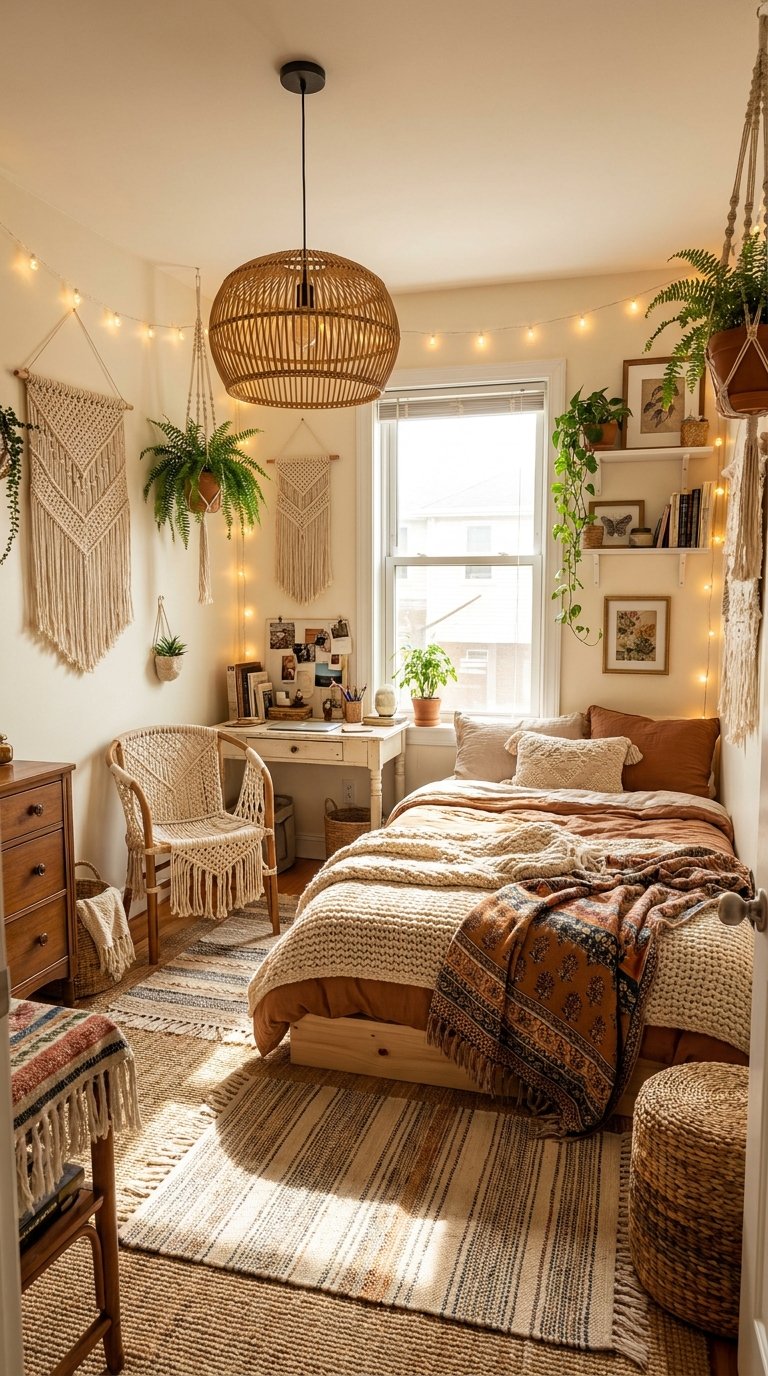
Mix different fabric weights and textures throughout your room. Combine chunky knit throw blankets with smooth cotton sheets and velvet accent pillows for captivating visual interest. Layered textures create depth without consuming precious square footage in your compact retreat.
Focus on natural materials like wool, linen, and cotton that breathe well in attic spaces. Drape a soft throw over your reading chair and add textured curtain panels to soften harsh rooflines. These strategic textile choices make your attic bedroom feel luxurious while maintaining functionality.
Utilize Knee Wall Space for Hidden Storage
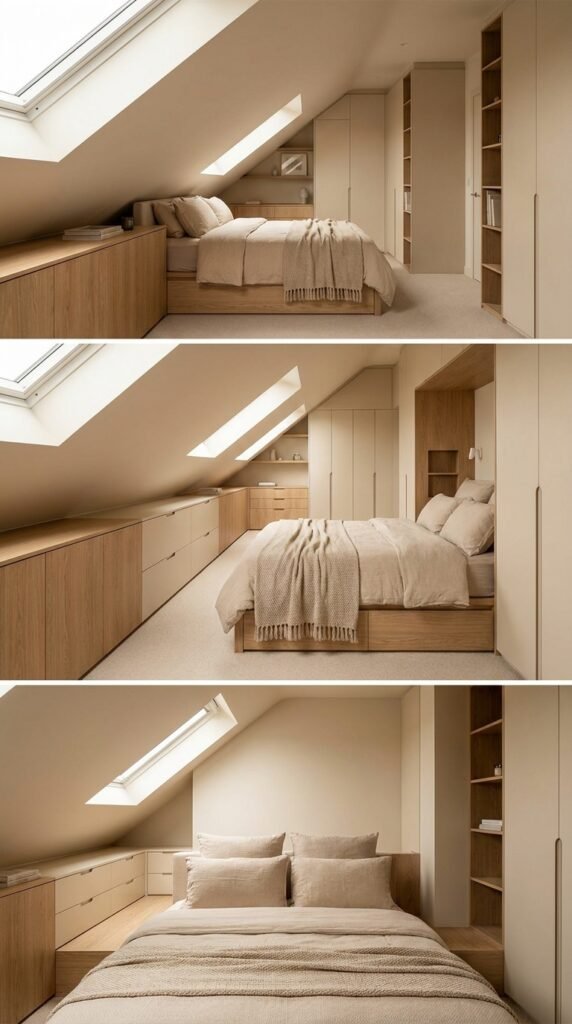
The slanted walls in your attic bedroom create precious knee wall spaces that often go completely unused despite their incredible storage potential. You can convert these awkward areas into functional storage solutions that keep your bedroom clutter-free and organized.
Install built-in drawers or cabinets along the knee wall to house seasonal clothing, bedding, or personal items. You’ll maximize every inch of available space while maintaining clean sight lines throughout the room.
Utilize shelving systems designed specifically for angled spaces to display books, decorative items, or everyday essentials within easy reach. Custom-fitted shelves work exceptionally well in these unique areas.
Incorporate storage ottomans near knee walls to create dual-purpose seating and hidden storage. These versatile pieces provide comfortable spots for putting on shoes while concealing items you don’t use daily.
Design a Multi-Level Layout for Distinct Zones
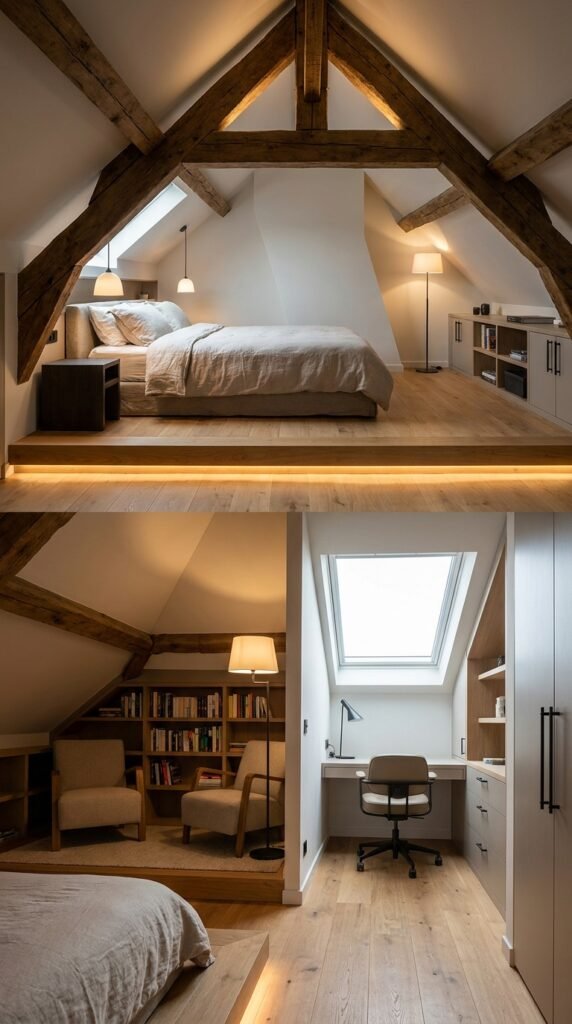
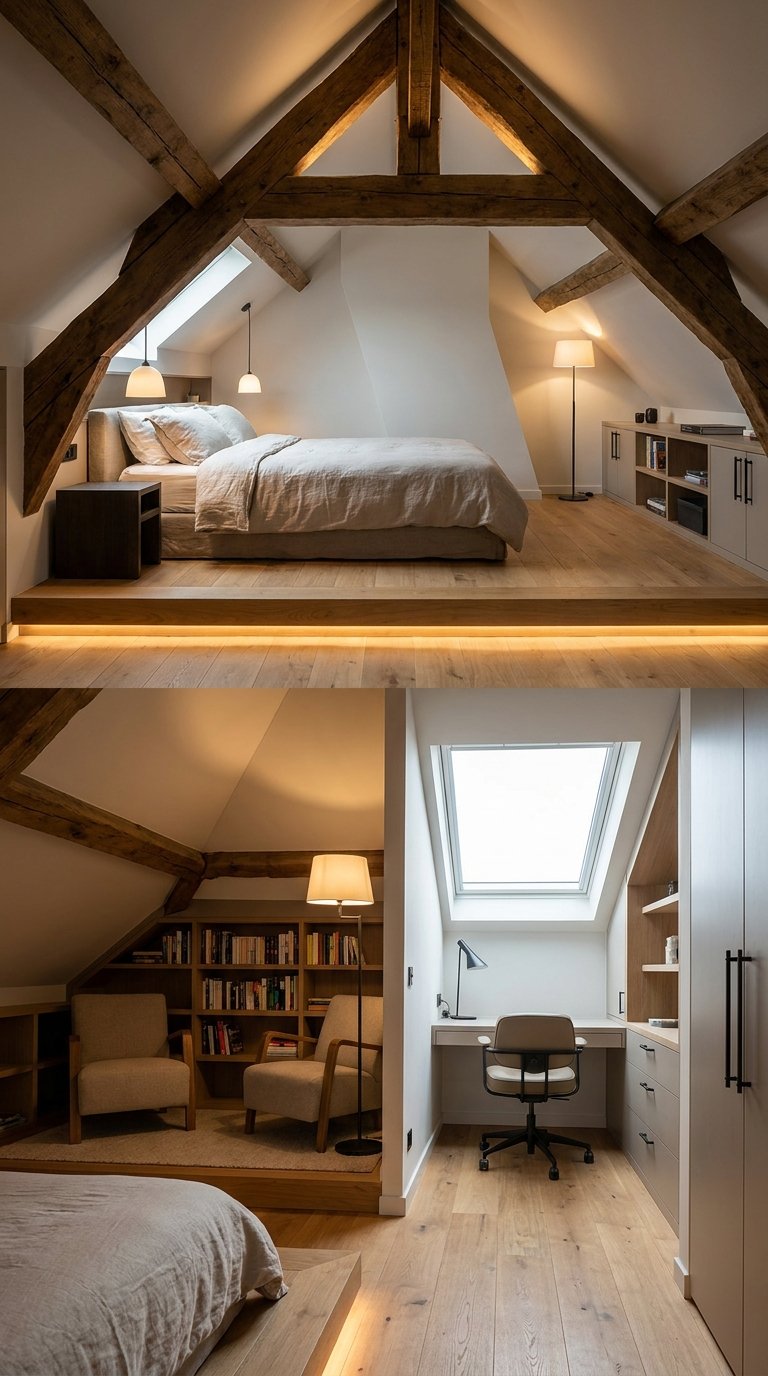
Since attic bedrooms often feature varying ceiling heights and designer angles, you can strategically divide your space into distinct functional zones that work with these natural boundaries. You’ll find freedom in creating purposeful areas that maximize every square foot available.
Create Elevated Sleeping Areas
Position your bed on a raised platform where ceiling height allows comfortable sitting. This approach helps you employ loft space effectively while maintaining headroom for daily activities.
Incorporate Split Level Design Elements
Designate lower ceiling areas for activities requiring less vertical space, such as reading nooks or desk areas. You can incorporate split level design by using different flooring materials or area rugs to visually separate each zone.
Establish Clear Pathways
Connect your zones with defined walkways that guide movement naturally through the space, creating an organized flow between sleeping, working, and relaxation areas.
Conclusion
You’ll convert your cramped attic into a functional, inviting retreat by implementing these storage-smart solutions and design strategies. Focus on maximizing vertical space with built-ins, embracing natural light through skylights, and creating distinct zones that work with your room’s unique angles. Remember that thoughtful planning and creative storage solutions will help you overcome low ceilings and awkward spaces, turning architectural challenges into charming design features that enhance your home’s value.