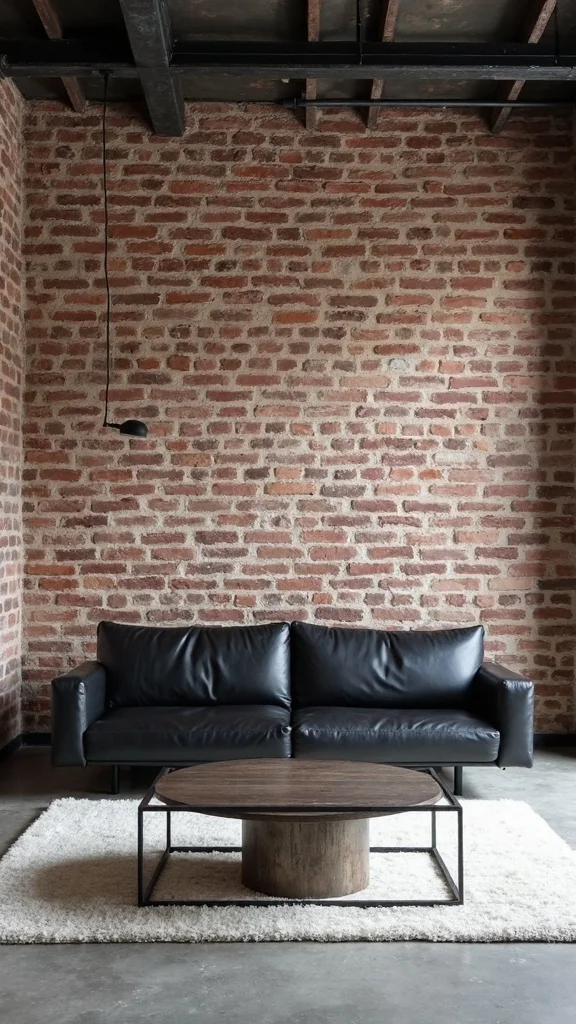
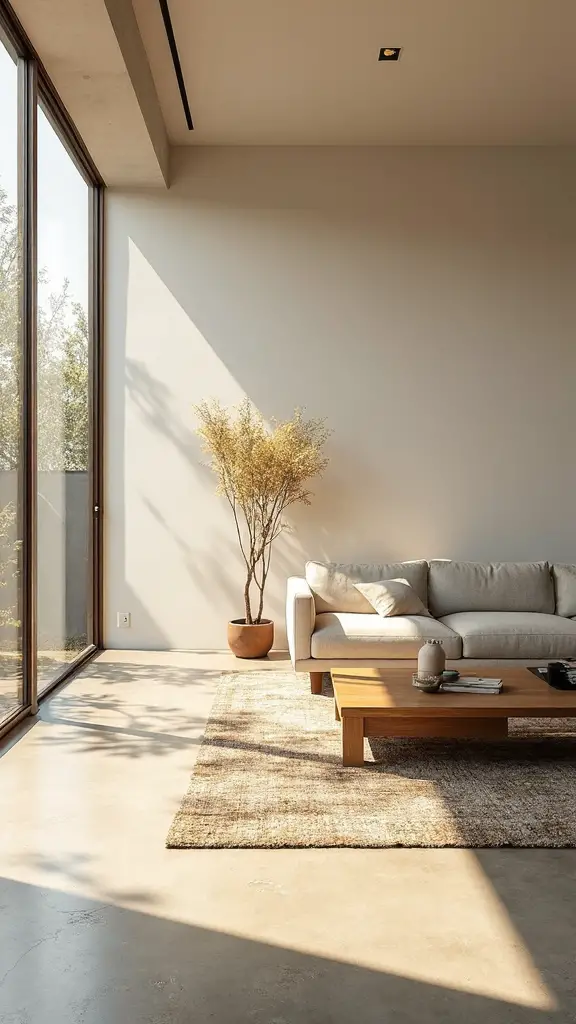
16 Open Concept Minimalist Living Room Ideas for Bright and Spacious Homes
Stunning open concept minimalist designs transform cramped living rooms into bright, spacious sanctuaries using these sixteen strategic approaches that maximize every square foot.
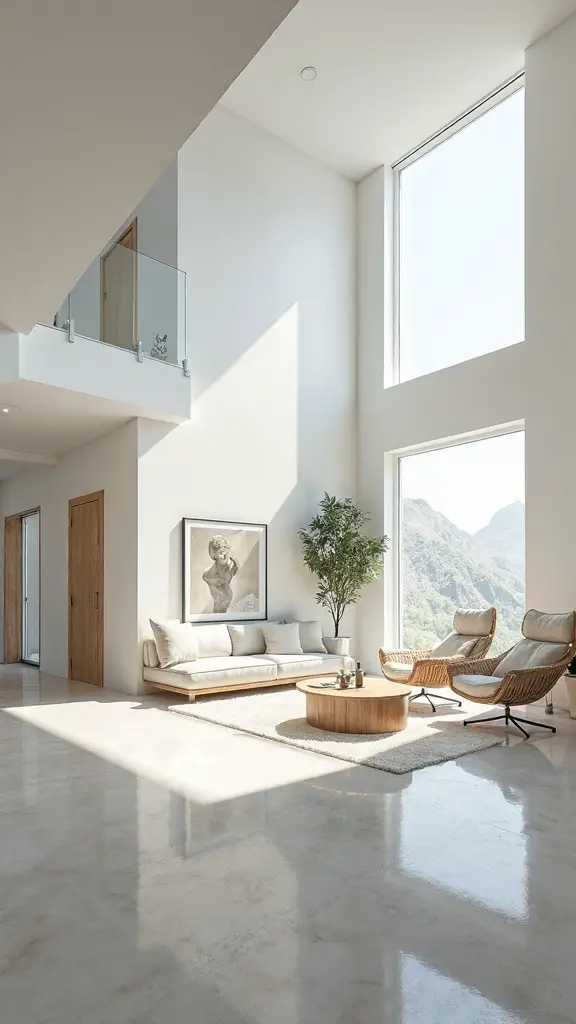
You’re looking at your cramped, cluttered living space and dreaming of something better—a room that breathes with natural light and flows seamlessly from one area to the next. Open concept minimalist design isn’t just about removing walls; it’s about creating intentional spaces that maximize every square foot while maintaining visual harmony. These sixteen strategic approaches will alter, modify, or reshape your living room into an airy sanctuary that feels twice its actual size, starting with the most impactful change you can make today.
Embrace Floor-to-Ceiling Windows for Maximum Natural Light
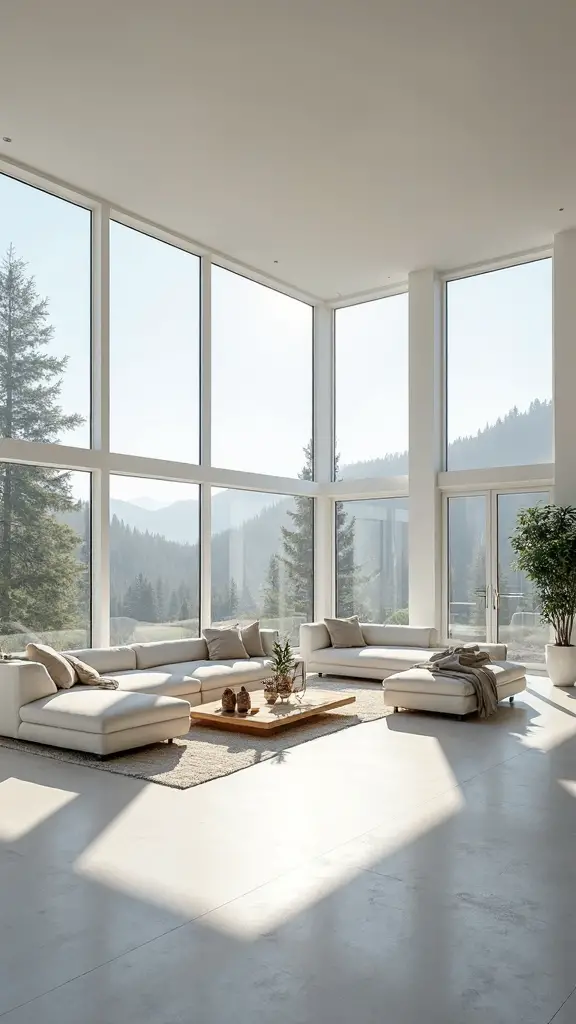
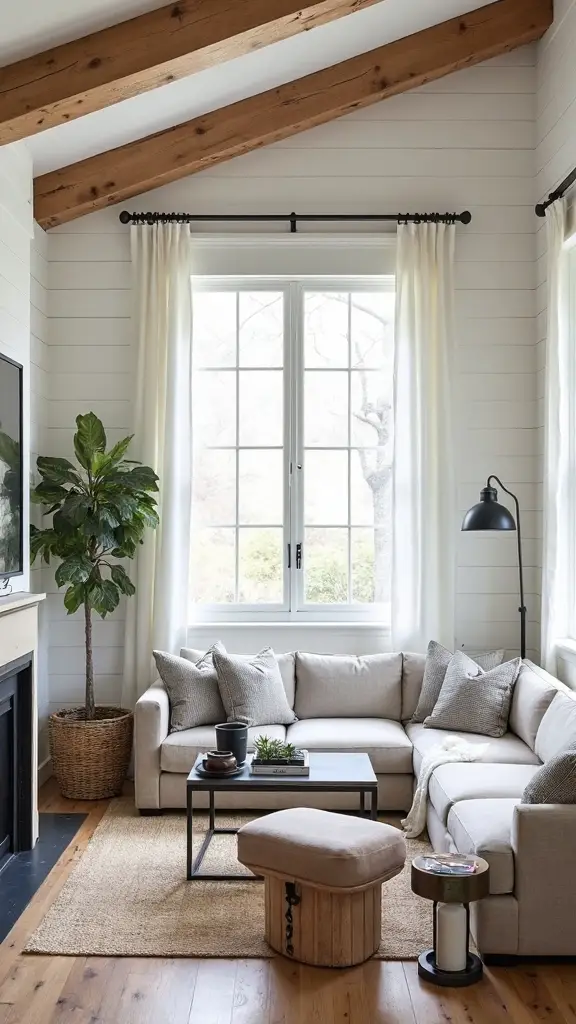
When designing a minimalist living room, floor-to-ceiling windows serve as your most powerful tool for creating an open, airy atmosphere. These expansive glass panels eliminate visual barriers between indoor and outdoor spaces, making your room feel dramatically larger. You’ll maximize natural lighting enhancements by positioning furniture away from window areas, allowing sunlight to flow freely throughout the space. Effective sunlight optimization strategies include using sheer curtains instead of heavy drapes and placing mirrors opposite windows to reflect light deeper into the room. This approach reduces your dependence on artificial lighting while creating the bright, uncluttered environment that defines minimalist design. The combination of large windows and strategic furniture placement creates the perfect foundation for achieving that coveted sense of openness in your minimalist space.
Create Visual Flow With a Neutral Color Palette
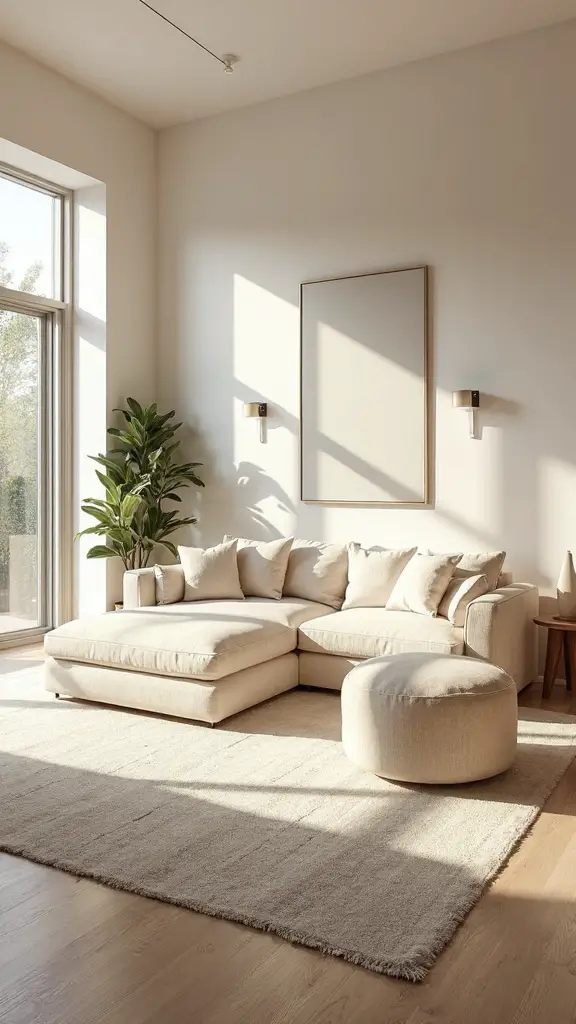
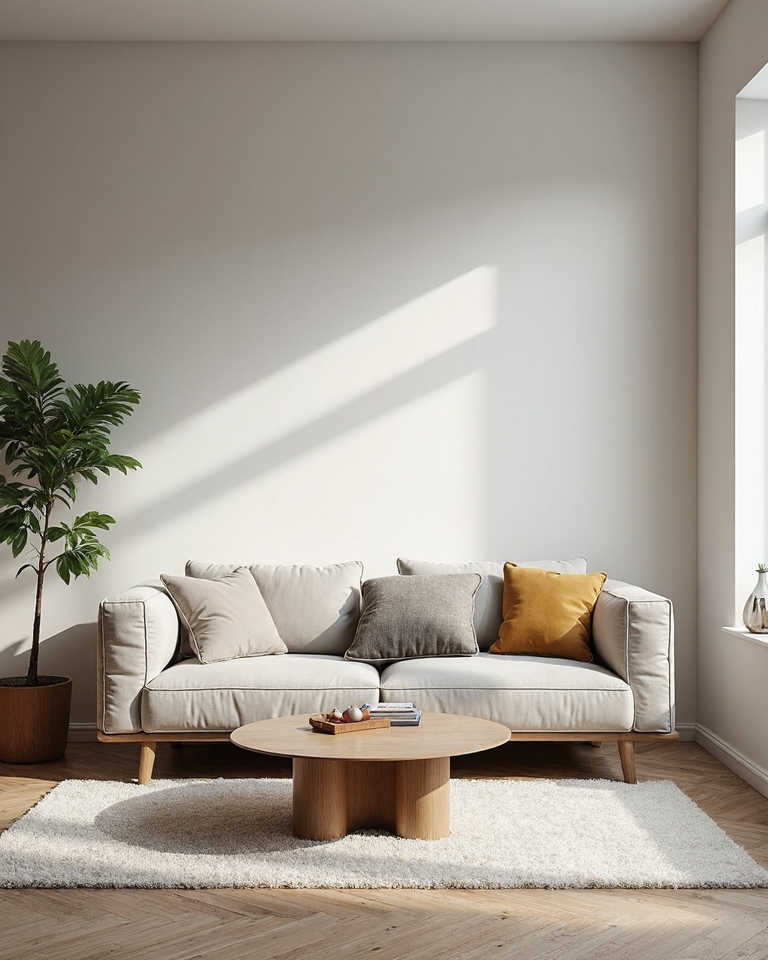
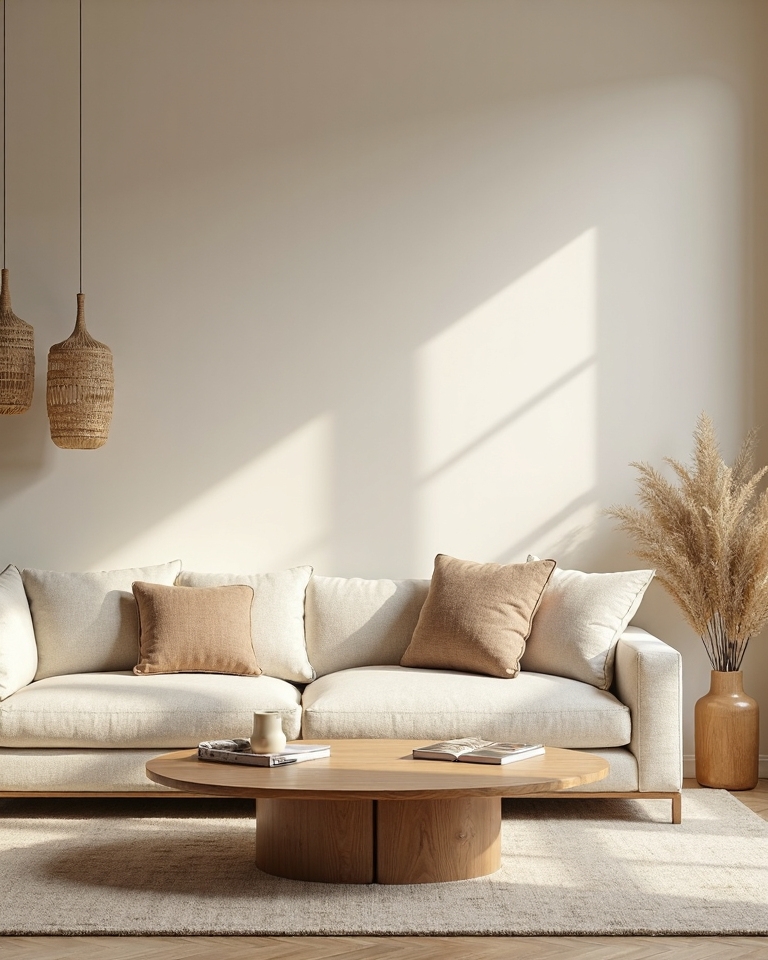
Since neutral colors form the backbone of minimalist design, you’ll want to build your living room around a carefully curated palette of whites, grays, beiges, and soft earth tones. This foundation creates seamless connections between spaces while maintaining visual cohesion throughout your open-concept home.
Layer different shades within your chosen neutral family to avoid monotony. Pair warm cream walls with cooler gray furniture, then add balanced color accents through single statement pieces like artwork or plants. Introduce subtle texture contrasts using linen throws, wool rugs, or natural wood elements to create depth without disrupting your peaceful, uncluttered aesthetic.
These neutral color palettes work particularly well in open spaces because they reflect light effectively and create a sense of continuity that makes rooms feel larger and more connected.
Use Multi-Functional Furniture to Maximize Space
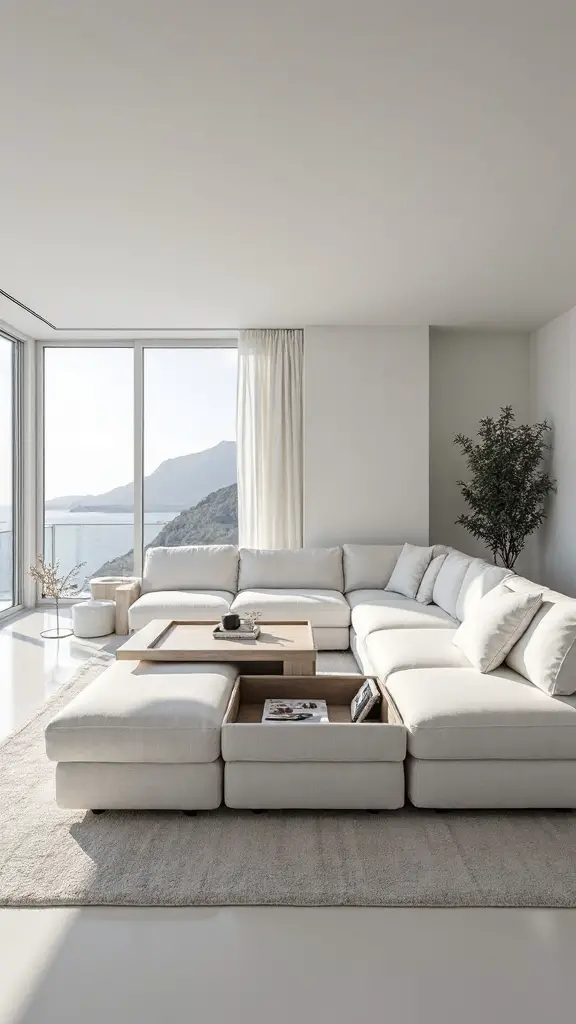
Every piece of furniture in your minimalist living room should earn its place by serving multiple purposes, helping you maintain clean lines while meeting your daily needs. Choose dual purpose seating options like storage ottomans that provide comfortable seating while hiding blankets, books, or remotes inside. Consider modular furniture configurations such as sectional sofas with built-in side tables or nesting coffee tables that expand when entertaining guests. Wall-mounted desks double as console tables, while sleek benches offer seating and shoe storage. These smart choices maximize your square footage without sacrificing style or functionality. When working with small apartments, focus on vertical storage solutions and furniture pieces that can be easily moved or reconfigured to adapt your space for different activities throughout the day.
Define Zones With Area Rugs Instead of Walls

Although open floor plans create spacious feels in minimalist homes, you’ll need strategic ways to separate different living areas without adding visual clutter through walls or room dividers. Area rugs become your secret weapon for creating invisible boundaries that maintain flow while establishing purpose.
Place large rugs under your seating arrangement to anchor the conversation zone, then use smaller rugs to define reading nooks or workspace areas. Choose distinct area textures—perhaps a plush wool rug for lounging and a flat-weave jute rug for dining. These zoned furniture arrangements let you enjoy open living without sacrificing functionality.
For those drawn to eclectic style, consider incorporating minimalist bohemian elements through your rug selections to add subtle charm while maintaining the clean, uncluttered aesthetic of your open space.
Incorporate Built-In Storage to Eliminate Clutter
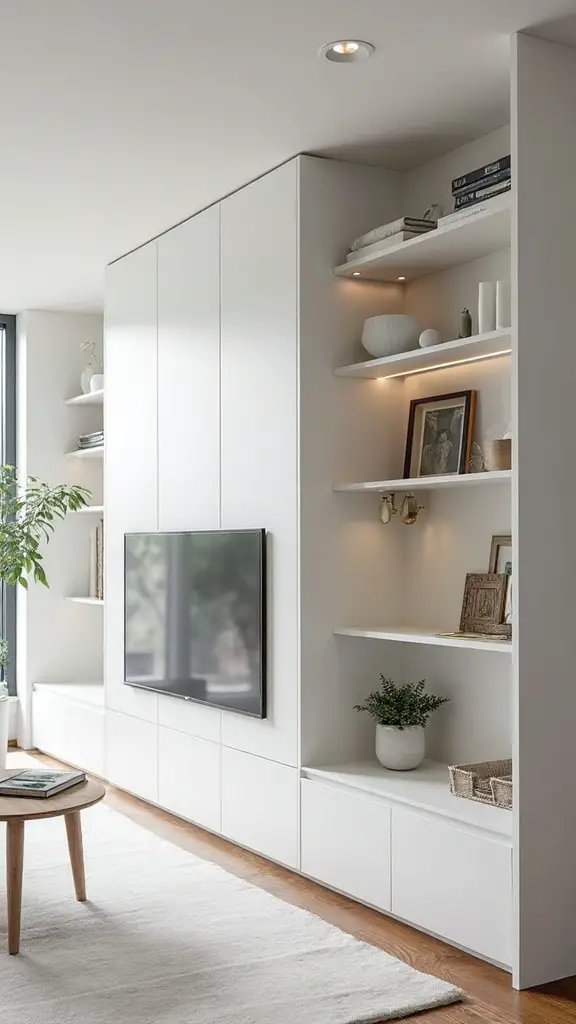
Built-in storage solutions metamorphose cluttered living rooms into tranquil spaces by concealing everyday items within your home’s structural blueprint. You’ll maximize floor space while maintaining clean sight lines throughout your open concept design.
Integrated shelving units flanking your fireplace or entertainment center provide display space for curated items while hiding media equipment behind closed doors. Consider floor-to-ceiling configurations that draw the eye upward, creating visual height.
Concealed storage compartments within window seats, ottoman benches, or custom cabinetry offer dual functionality without compromising your minimalist aesthetic. These strategic solutions eliminate visual noise, allowing you to breathe freely in your unencumbered space.
Complement your built-in storage with carefully selected IKEA furniture pieces that maintain your minimalist aesthetic while providing additional organizational functionality.
Choose Low-Profile Furniture for Open Sightlines
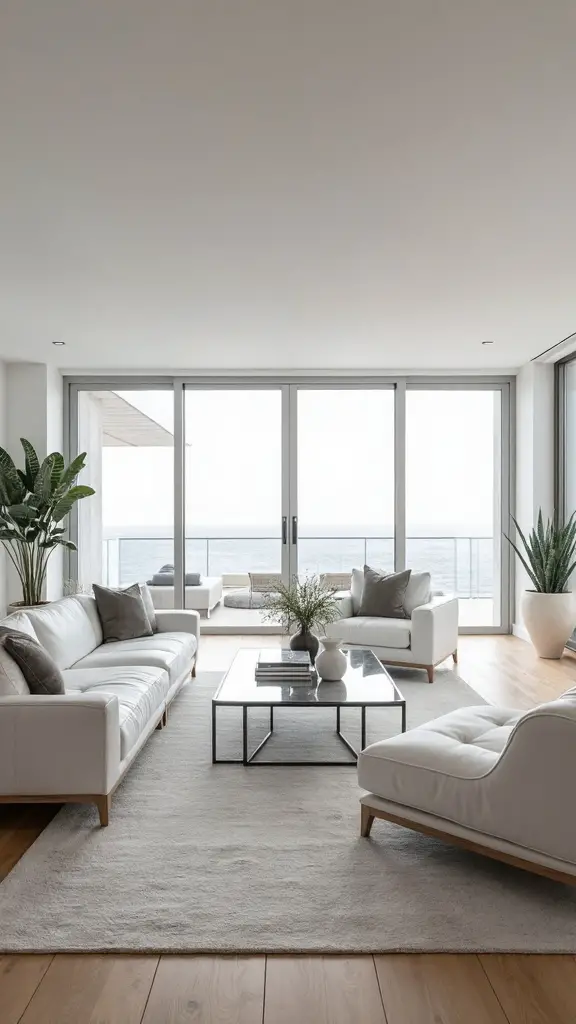
Low-profile furniture creates an airy atmosphere that complements your newly organized storage systems by maintaining unobstructed views across your living space. You’ll want pieces that sit closer to the floor, allowing natural light to flow freely throughout your room.
Select sofas with sleek, horizontal lines that don’t block windows or pathways. Low profile ottomans serve dual purposes as seating and subtle storage without overwhelming your space. Choose minimal side tables with clean geometry that won’t compete for visual attention.
These strategic furniture choices help you achieve that coveted sense of openness while maintaining functionality you need.
Add Greenery With Statement Plants as Natural Dividers
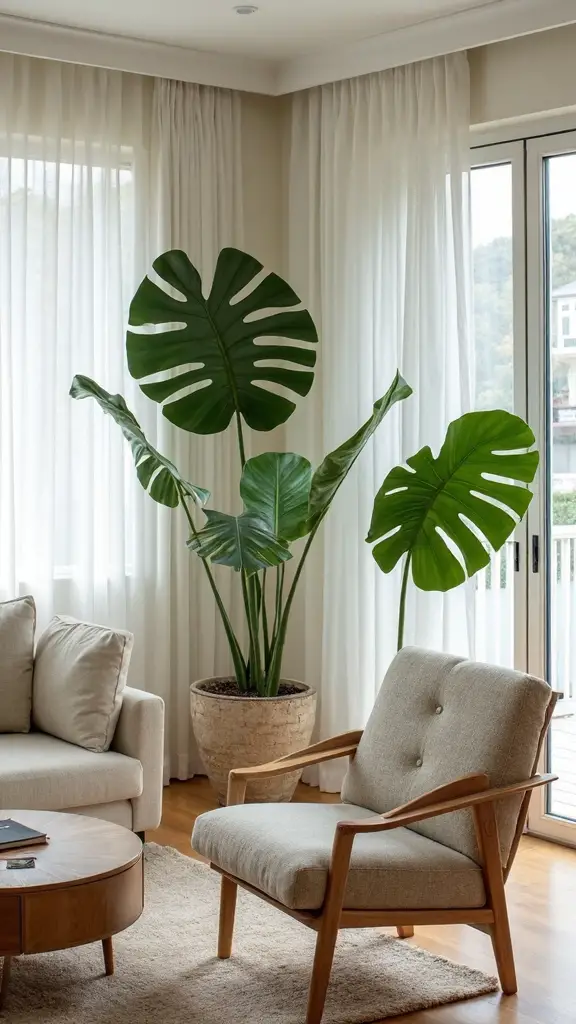
Strategic plant placement alters your minimalist living room into defined zones while preserving the clean aesthetic you’ve carefully cultivated. Position tall statement plants like fiddle leaf figs or bird of paradise near corners to create natural boundaries without blocking light flow. These living sculptures highlight architectural details while softening hard edges throughout your space.
Choose sleek planters in neutral tones that complement your existing color palette. Group plants at varying heights to integrate nature inspired accents that feel intentional rather than cluttered. Large floor plants work perfectly as room dividers, giving you functional separation while maintaining that open, airy feeling you’re seeking.
Install Floating Shelves for Vertical Storage Solutions

While plants create natural boundaries in your minimalist space, floating shelves maximize your vertical wall space without compromising that clean, uncluttered look you’ve worked to achieve. You’ll optimize storage efficiency by displaying books, decorative objects, and essential items at eye level. Choose sleek wooden or metal shelves that complement your existing décor without overwhelming the room’s aesthetic. Install them at varying heights to create visual interest while keeping functionality front and center. This approach helps you maximize usable space by moving storage off floors and surfaces, giving you the freedom to maintain those open, breathable areas you love.
Select One Statement Art Piece for Focal Impact
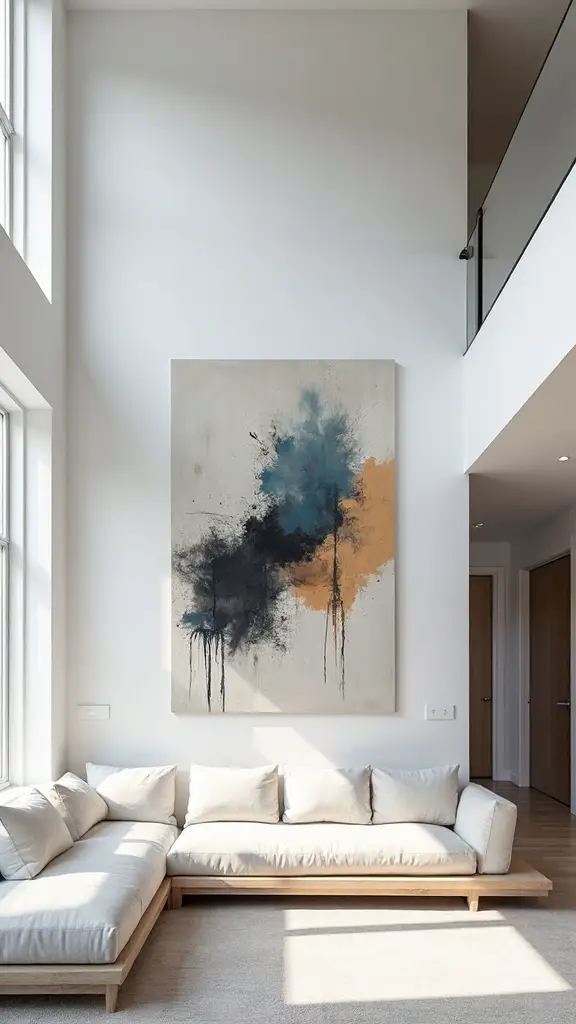
After establishing your vertical storage system, focus your attention on selecting one powerful art piece that’ll anchor your entire minimalist living room design. Choose focal wall art that speaks to your personal aesthetic while maintaining clean, uncluttered lines that complement your space’s open concept flow. Consider statement sculptural pieces that create visual interest without overwhelming your room’s serene atmosphere. Position your chosen artwork at eye level on your most prominent wall, allowing it to breathe with adequate white space surrounding it. This single, carefully selected piece will define your room’s character while preserving the freedom and spaciousness you crave.
Use Mirrors Strategically to Amplify Light and Space
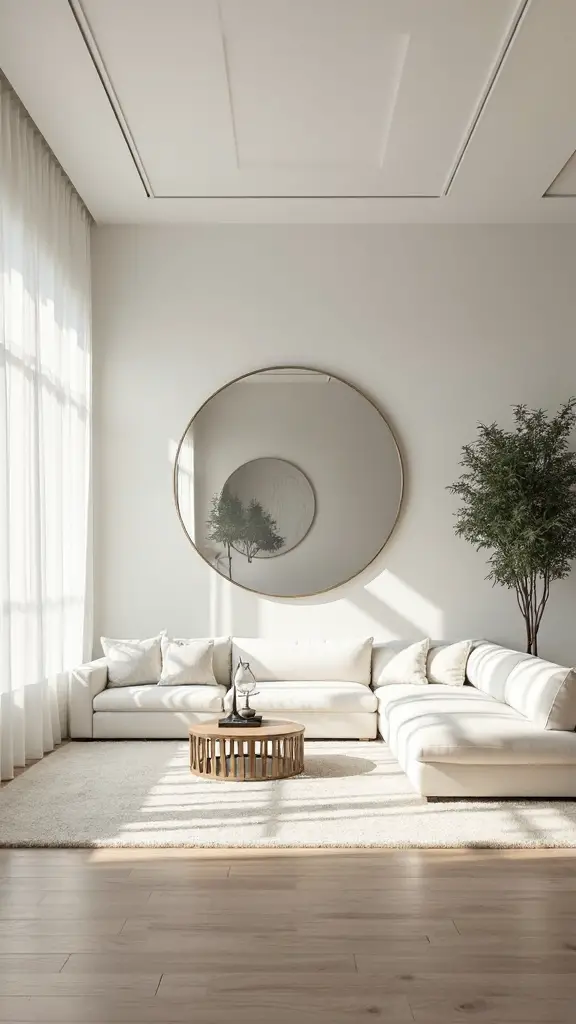
Mirrors alter your minimalist living room into a brighter, more expansive sanctuary when you position them to capture and reflect natural light sources. Place large mirrors opposite windows to double incoming sunlight and create the illusion of additional square footage in your space.
Angled mirrors work exceptionally well in corners, bouncing light throughout the room while maintaining clean geometric lines. Consider strategic lighting placement near reflective surfaces to maximize evening illumination. Choose frameless or thin-framed options that won’t compete with your minimal aesthetic. You’ll change cramped quarters into an airy retreat that feels twice its actual size.
Opt for a Cohesive Material Palette Throughout
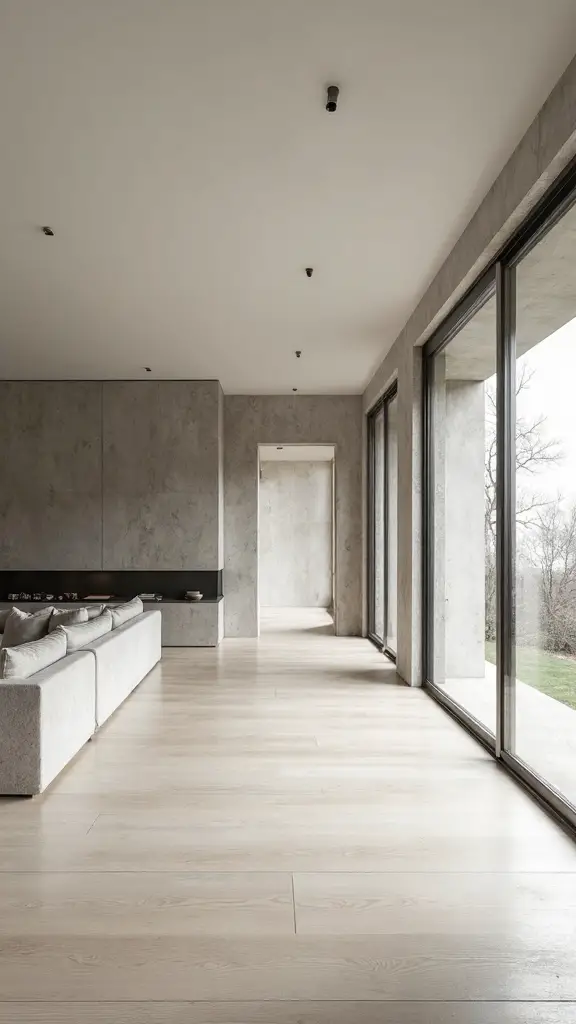
Creating visual harmony becomes effortless when you select two to three materials and repeat them consistently throughout your minimalist living room. Choose natural wood, sleek metal, and soft linen for cohesive textures that flow seamlessly from furniture to accessories. You’ll achieve design freedom by limiting your palette—wooden coffee tables pair beautifully with metal light fixtures and linen throw pillows. Consistent material choices eliminate decision fatigue while creating sophisticated unity. Repeat your selected materials across different elements: wood frames, metal hardware, and fabric upholstery. This strategic approach alters your space into a calm, organized sanctuary.
Create Conversation Areas With Thoughtful Seating Arrangements
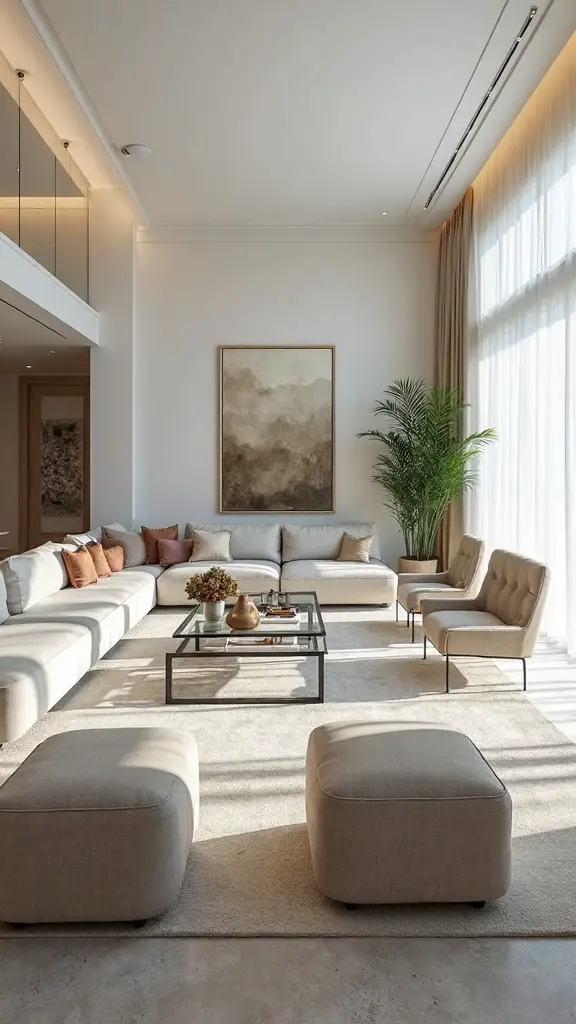
Why should comfortable conversation feel impossible in your own living room when strategic seating placement can alter any space into an inviting social hub? You’ll establish conversational zones by positioning furniture pieces six to eight feet apart, creating intimate circles that encourage natural dialogue flow.
Arrange seating for dialogue by angling chairs toward each other rather than facing straight ahead like theater rows. Place sofas perpendicular to armchairs, forming L-shaped configurations that draw people together. Add a central coffee table within easy reach of all seats. This thoughtful arrangement changes your minimalist space into a welcoming environment where meaningful connections happen effortlessly.
Maximize Ceiling Height With Vertical Design Elements
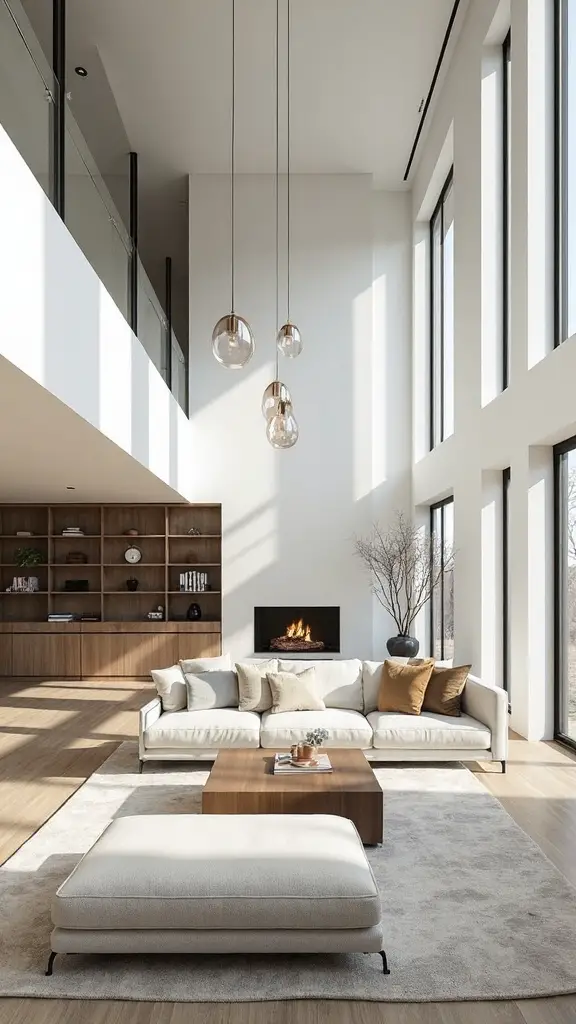
Since low ceilings can make even spacious rooms feel cramped and closed-in, you’ll want to draw the eye upward through strategic vertical elements that create an illusion of height. Install floor-to-ceiling curtains that extend beyond window frames, creating dramatic lines that stretch toward exposed beams or vaulted ceilings. Position tall, narrow artwork in vertical arrangements rather than horizontal groupings. Choose furniture with clean, upright profiles like high-backed chairs or ladder-style shelving units. Paint walls in light colors while keeping trim slightly darker to emphasize structural details that naturally guide attention upward throughout your open living space.
Choose Furniture With Clean Lines and Simple Silhouettes

Furniture with clean lines and simple silhouettes forms the foundation of any successful minimalist living room design. You’ll want to select pieces that emphasize geometric shapes and avoid ornate details or excessive decoration. Sleek furniture profiles create visual harmony while maintaining the uncluttered aesthetic you’re seeking.
Focus on streamlined silhouettes when choosing sofas, coffee tables, and accent chairs. Look for rectangular or circular shapes with minimal curves and straight edges. These design choices eliminate visual noise and allow your space to breathe freely, creating the open, airy atmosphere that defines effective minimalist living.
Incorporate Hidden Storage in Ottoman and Coffee Table Designs
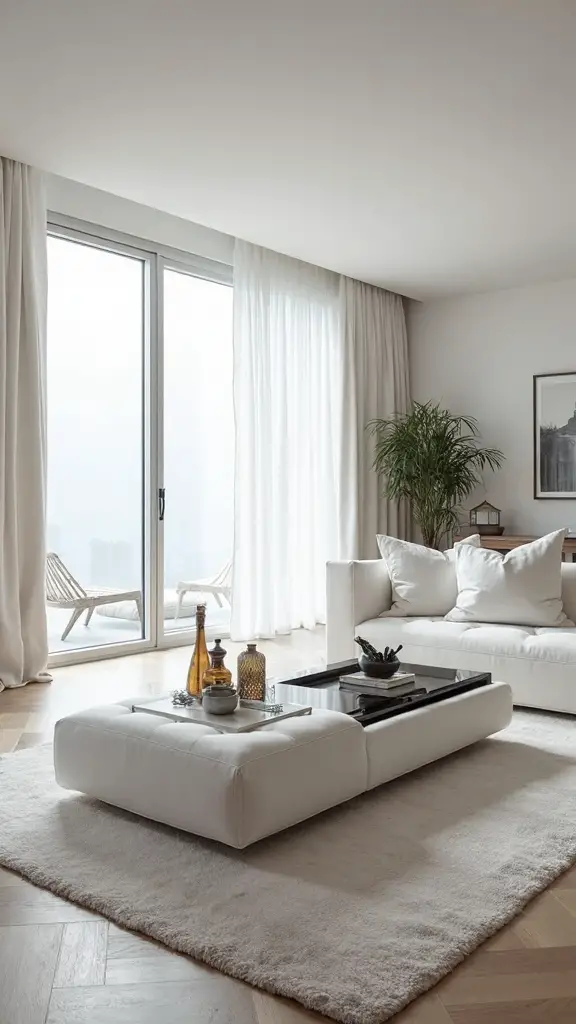
Clean-lined furniture becomes even more functional when you incorporate clever storage solutions that maintain your minimalist aesthetic. Ottoman designs with lift-top compartments provide seating while hiding blankets, books, and remotes from view. Coffee tables featuring drawers or sliding panels offer concealed storage solutions for everyday items without cluttering your space.
Choose pieces with seamless integration where storage mechanisms blend invisibly into the overall design. Hidden storage options work best when they’re accessible yet completely concealed, allowing you to maintain that clean, uncluttered look while keeping essentials within reach for true minimalist living.
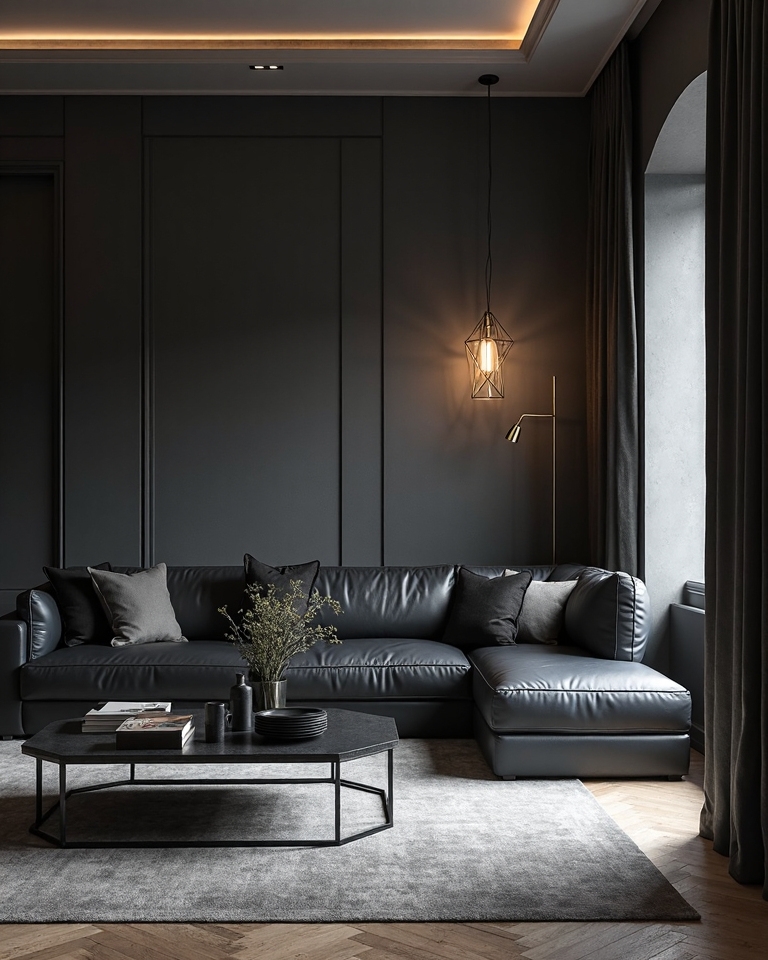
Balance Warm and Cool Tones for Visual Harmony
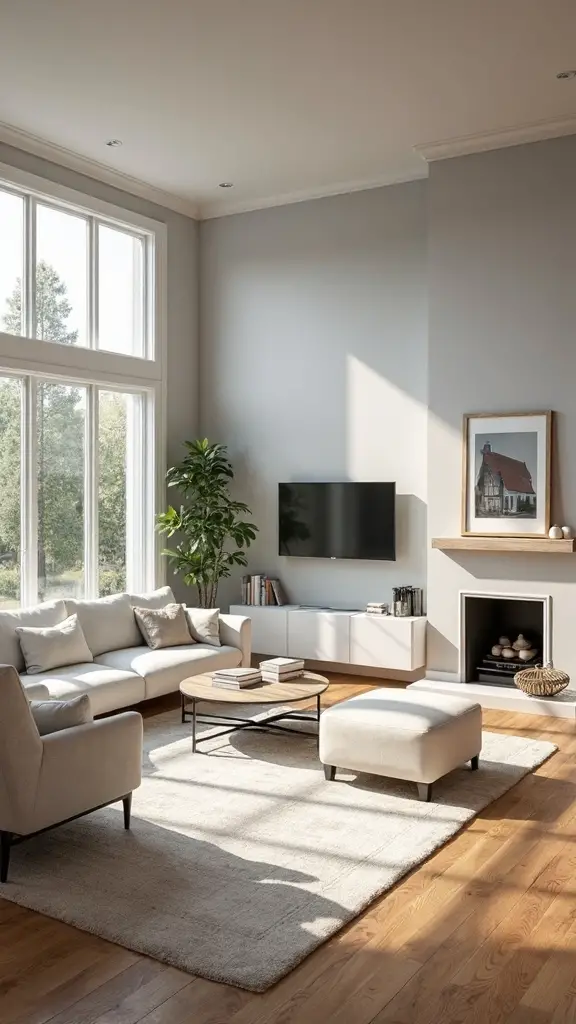
Creating visual harmony in your minimalist living room requires thoughtful balance between warm and cool tones that complement rather than compete with each other. You’ll want to balance cool and warm hues by selecting one temperature as your foundation and using the other as strategic accents throughout the space.
Consider pairing cool gray walls with warm wooden furniture, or combine crisp white surfaces with terracotta accessories. This approach lets you achieve visual cohesion through tonal harmony while maintaining design flexibility. Natural materials like stone and wood naturally bridge temperature gaps, creating seamless shifts that feel both sophisticated and welcoming.
Conclusion
You’ve uncovered powerful strategies to metamorphose your living space into a bright, open sanctuary that embodies minimalist principles. By implementing floor-to-ceiling windows, neutral palettes, and multi-functional furniture, you’ll create seamless visual flow throughout your home. Remember that successful minimalist design balances functionality with aesthetics—each element should serve a purpose while contributing to your room’s overall sense of spaciousness and tranquility.